
Last updated November 4, 2026
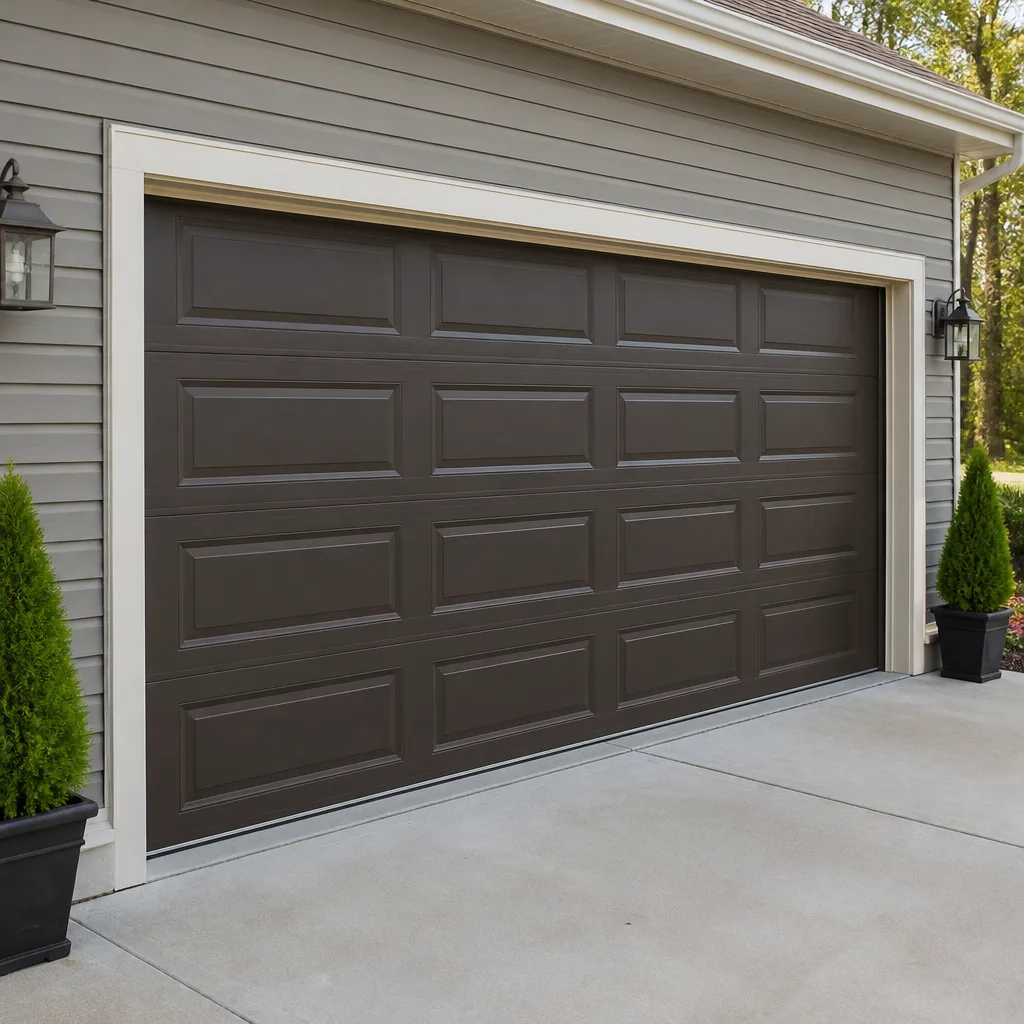 Raised-panel steel
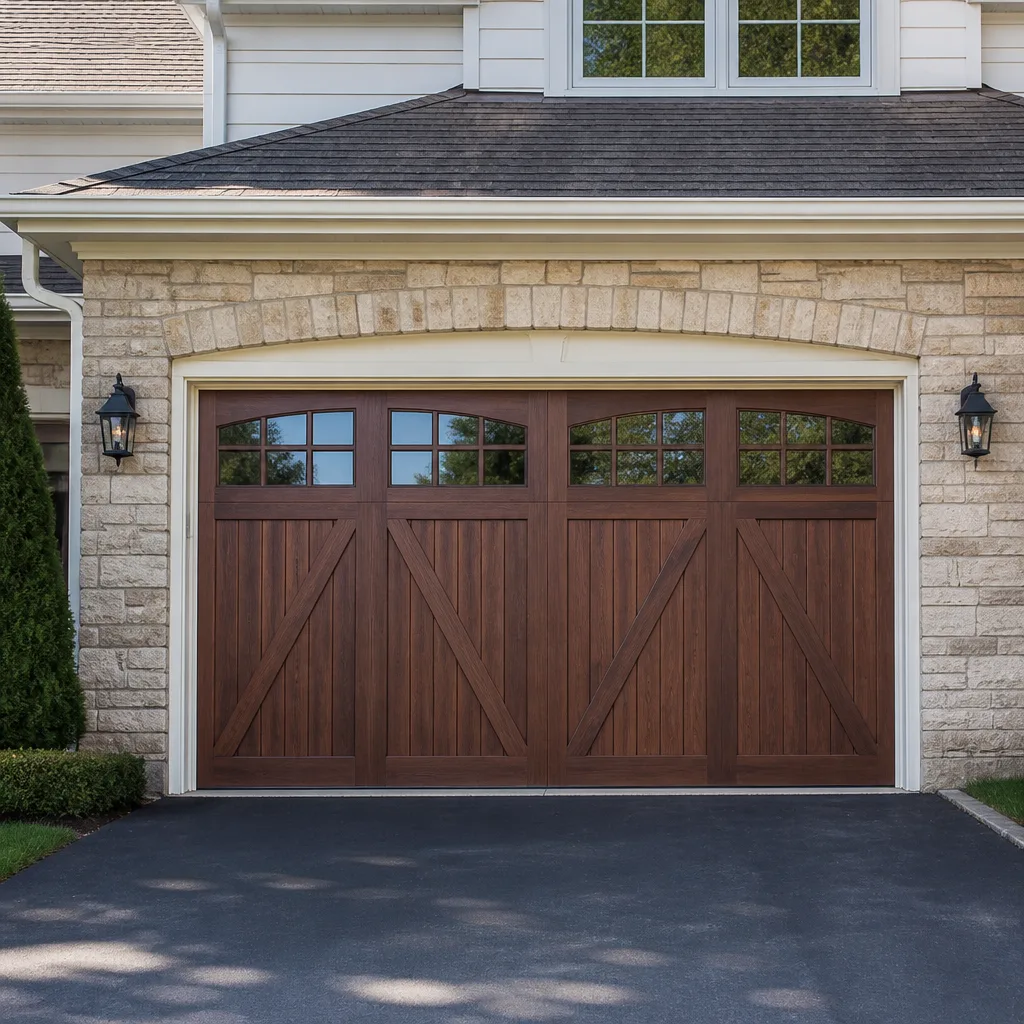 Carriage house
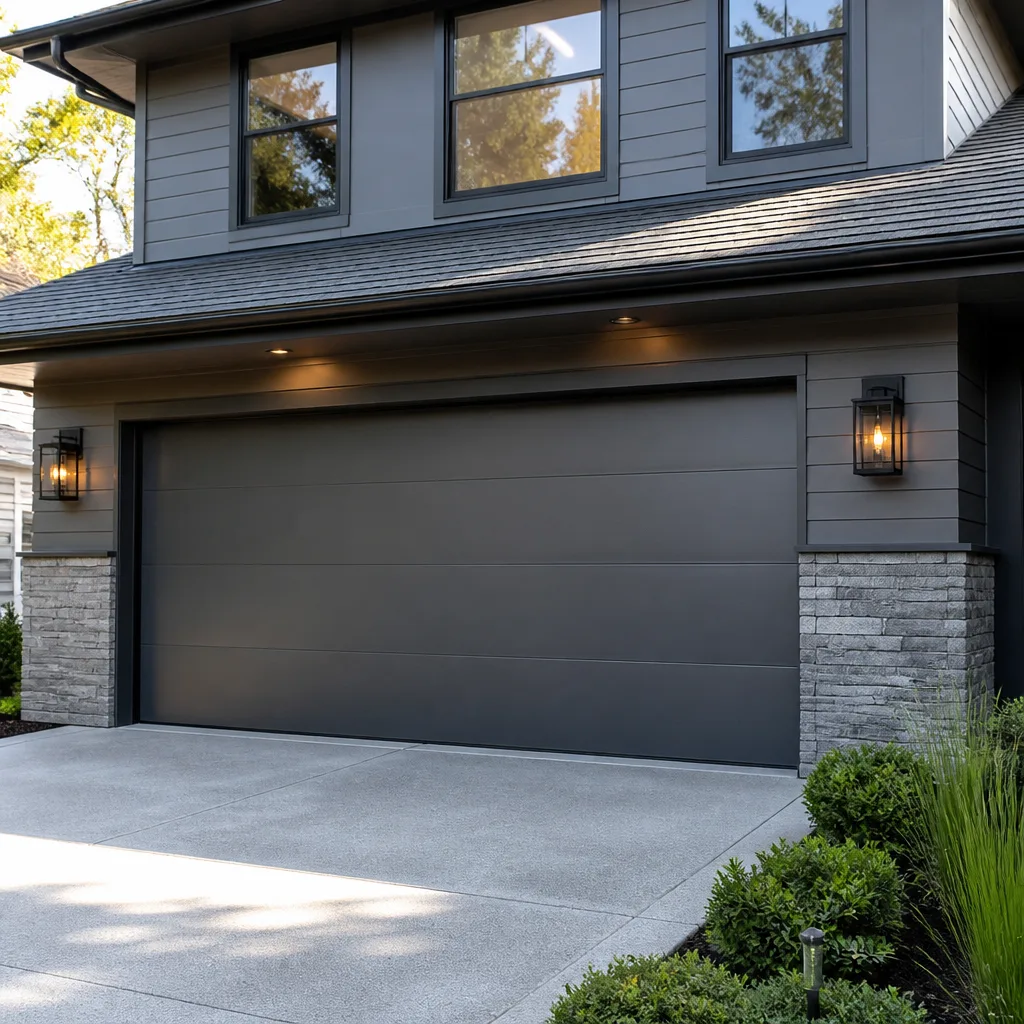 Modern flush
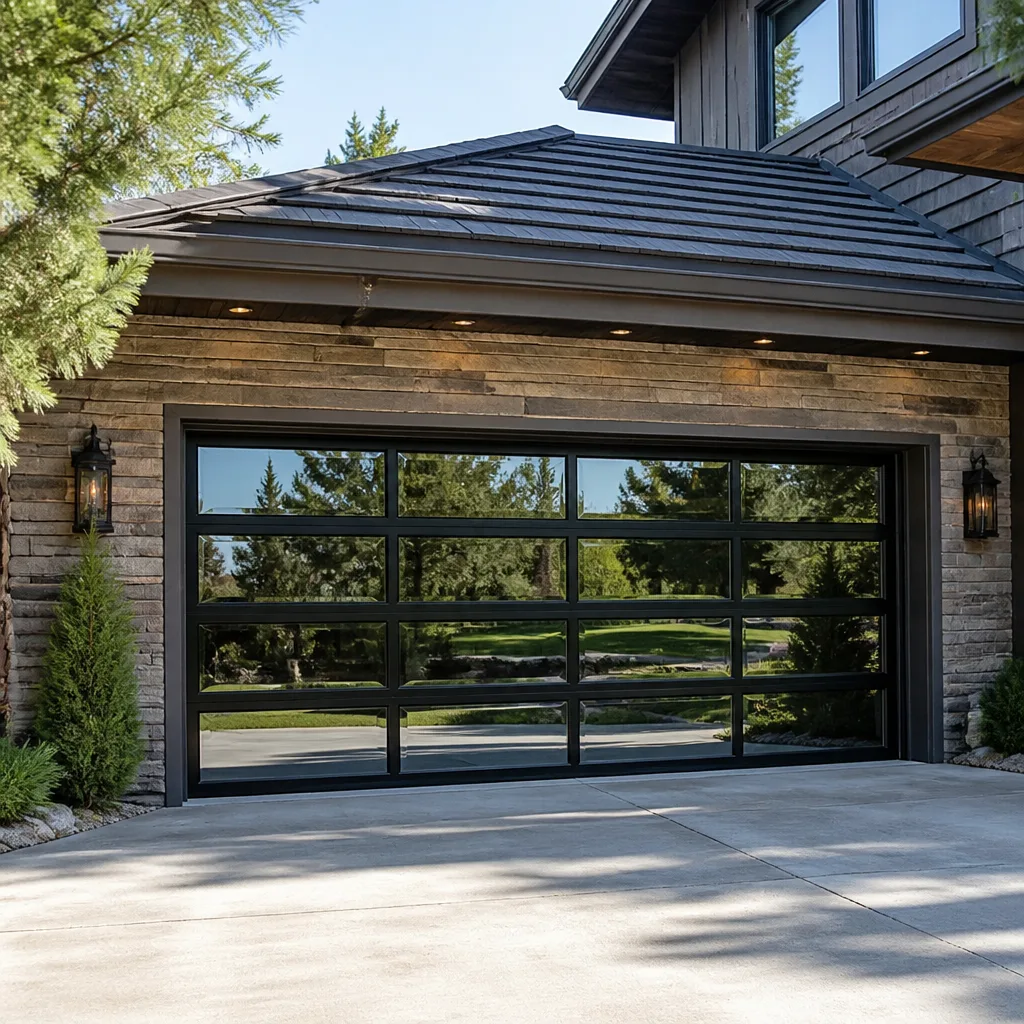 Full-view glass
 LiftMaster openers
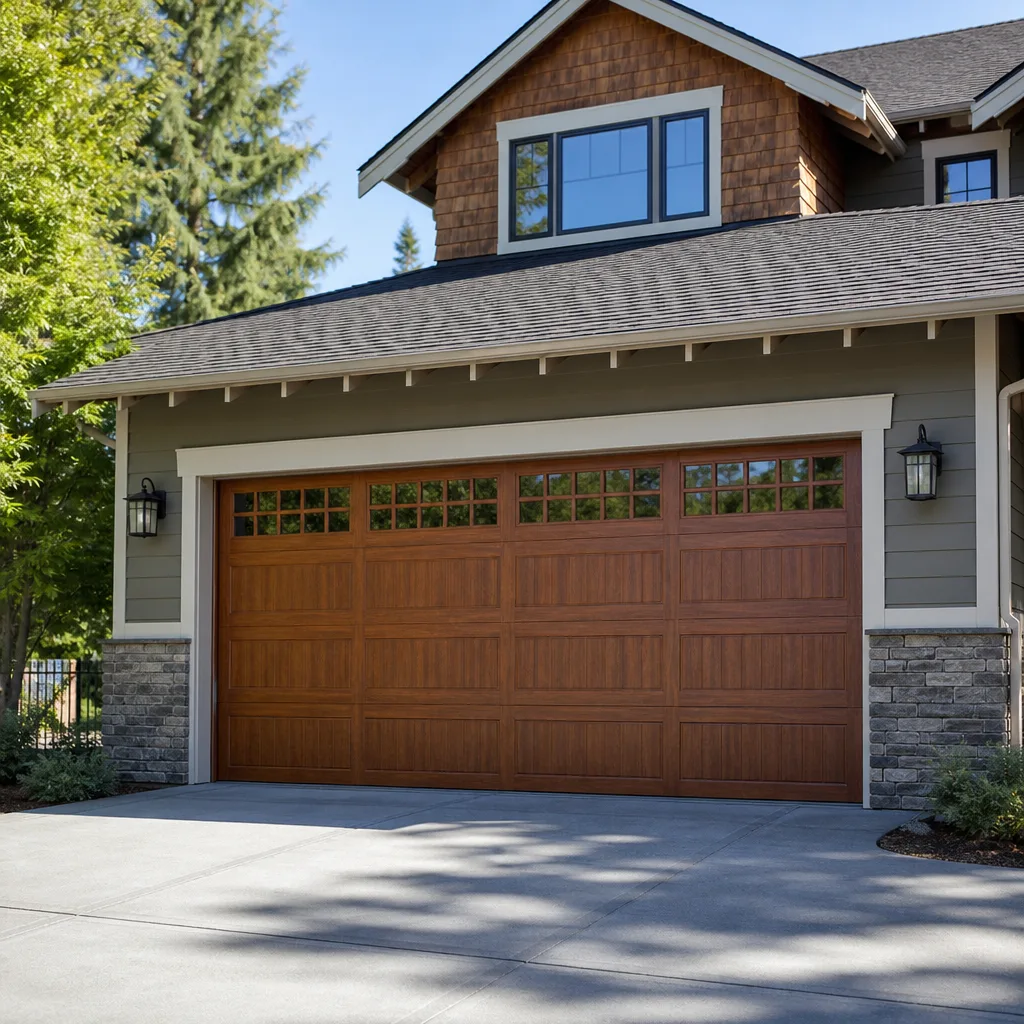 Chamberlain openers
Full 25-point door and opener safety check with every visit - springs, cables, rollers, tracks, and your LiftMaster or Chamberlain opener included
You get a price before we start. It does not change when the truck arrives.
Get your free estimateGarage Door Permits, Codes & Inspections in Buena Park, CA: What You Need to Know
Most Buena Park homeowners assume a garage door is a simple swap: unbolt the old one, bolt on the new one, done. That assumption is exactly where the trouble starts. California’s Title 24 energy code and Buena Park’s municipal building requirements make permits mandatory in more scenarios than residents expect, and an unpermitted replacement has a nasty habit of surfacing during escrow title review, where it can force a retroactive inspection, a cure, or even a rollback of the sale terms. In this guide, you’ll learn which projects trigger a permit, what the city actually charges, how inspections work, and how to avoid the mistakes that cost homeowners real money at resale.
Quick Answer
In Buena Park, a garage door permit is generally required when you replace the door with a different size, change the opening structurally, or install a door that falls under California Title 24 energy compliance rules. Like-for-like replacements of the same size and weight often qualify for a repair exemption, but insulated or upgraded doors may not. Call the city’s Building & Safety Division before you start, and keep every permit document for resale.
Styles & brands we work with
- Raised-panel steel
- Carriage house
- Modern flush
- Full-view glass
- LiftMaster openers
- Chamberlain openers
Table of Contents
- Which Garage Door Projects Trigger a Permit in Buena Park
- How California Title 24 Applies to Your Garage Door
- Buena Park Permit Fees and Timeline
- What Happens During a Garage Door Inspection
- How Unpermitted Work Gets Flagged at Resale
- Permit and Code Rules for DIY Garage Door Work
- Codes and Your Door Brand: What Changes, What Doesn’t
- Documentation You Should Keep For Every Job
Which Garage Door Projects Trigger a Permit in Buena Park
Buena Park operates under the California Building Code with local amendments adopted by the city. The short version: a permit is triggered when the project changes the structure, the opening, or the safety characteristics of the door system. A replacement that is the same size, same weight, same mounting method, and same opener configuration often falls under the city’s like-for-like repair exemption. But the moment you widen the opening, convert a single door to a double, add windows that change the door’s wind-load rating, or install a door with a different insulation value, you have likely crossed into permit territory.
Here is the practical breakdown we use when a Buena Park homeowner asks us whether their project needs a permit:
- Same-size panel replacement, same mounting hardware: Usually exempt as like-for-like repair. The city does not require a permit for routine maintenance or cosmetic panel swaps.
- Same-size door but different weight or spring system: Borderline. If the new door changes the torsion spring load or requires new anchors, ask the city’s Building & Safety Division. We’ve seen inspectors treat heavier doors as structural changes.
- Larger opening, new header, or new side jambs: Permit required. This is structural work and Buena Park treats it as an alteration, not a repair.
- Adding an opener where none existed: Electrical work. A permit is typically required for the new circuit or outlet.
- Replacing an existing opener with a different model or brand: Usually exempt if the electrical connection is unchanged and the opener mounts in the existing location.
When in doubt, call Buena Park’s Building & Safety Division directly. The phone call costs nothing and can save you a very expensive cure later. As a specialist in garage door repair across Buena Park, we help homeowners determine whether their project is repair or replacement before any work begins.
How California Title 24 Applies to Your Garage Door
California’s Title 24 energy code is not just for windows and HVAC. It covers the energy performance of certain building components, and garage doors attached to conditioned or semi-conditioned spaces can fall under its scope. If your Buena Park garage is attached to the house and the new door changes the thermal envelope, you may need to document the door’s insulation value or its compliance with the applicable climate zone requirements.
Here is what matters for most Buena Park homes:
- Attached garages: The wall between house and garage is already insulated, and the garage door itself may or may not be a Title 24 consideration depending on the door’s location and the city’s interpretation. Ask before you buy.
- Insulated doors: If you upgrade from a non-insulated to an insulated door, keep the manufacturer’s spec sheet showing the R-value. Some inspectors will request it during final sign-off.
- Windows in the door: Glazing changes can trigger Title 24 review, especially if the door faces south or west. The glazing manufacturer’s documentation should be kept with the permit packet.
- Documentation you need: The door’s R-value, the glazing U-factor if it has windows, and the installation permit if one was issued.
The rule of thumb in Buena Park: if the door is part of the conditioned envelope, treat Title 24 seriously. If the garage is detached, the energy code is far less likely to apply. A quick call to the city clears this up faster than hours of reading.
Buena Park Permit Fees and Timeline
Buena Park’s permit fees for garage door work are typically calculated on a valuation-based schedule plus flat administrative charges. The exact number depends on the project’s declared value and whether the city requires a plan review. For a straightforward door replacement with permit, homeowners should expect the fee to be in the range that many Buena Park residents find reasonable for the certainty it provides. The city’s Building & Safety Division can quote the exact fee once they know the scope.
Here is the typical sequence and what each step involves:
- Application: Submit a permit application with a basic scope of work. For like-for-like replacement, plans are rarely required. For structural changes, you may need a simple drawing showing the opening dimensions.
- Fee payment: You pay the permit fee when the application is accepted. The fee is set per job and is not refundable once work begins.
- Inspection scheduling: After the work is done, you schedule the inspection. Buena Park inspections are typically completed within a few business days of the request, depending on inspector availability.
- Sign-off: The inspector verifies the work, signs the permit, and you keep that signed card forever.
The entire process usually takes one to two weeks from application to final sign-off for a simple door job. Homeowners who skip the permit often find that the cure later costs more than the original fee and a re-inspection.
What Happens During a Garage Door Inspection
A Buena Park garage door inspection is not a white-glove affair, but it is specific. The inspector is checking three things: structural attachment, safety features, and energy compliance where applicable. We prepare our customers so the inspection passes the first visit, because a failed inspection means a re-inspection fee and more days of waiting.
Here is what the inspector will look at:
- Mounting and anchoring: The track brackets, spring anchor plates, and opener hangers must be securely fastened. Loose bolts or improvised shims are common failure points.
- Safety reversal: The door must reverse when it meets resistance or when the photo-eye beam is broken. This is a critical safety feature on every opener we service, from LiftMaster to Chamberlain to Genie.
- Spring containment: Torsion springs must have the manufacturer’s containment cables installed. An inspector who sees a spring without a cable will likely flag it.
- Electrical connections: The opener must be on a properly wired circuit. Extension cords are not acceptable as permanent wiring.
- Title 24 documentation: If your door is part of the conditioned envelope, have the R-value spec sheet ready.
- The buyer’s agent requests disclosure: The seller must state whether any work was done without permits. Lying on a disclosure is a legal risk most sellers won’t take.
- The title review flags the improvement: An unpermitted garage door may be treated as an unpermitted improvement, and the lender can refuse to fund the loan until it is cured.
- The city issues a retroactive permit: The homeowner applies for an after-the-fact permit, pays the fees, and schedules an inspection. If the work was done correctly, the cure is straightforward. If it wasn’t, the work may need to be corrected first.
- The sale terms adjust: Sometimes the seller credits the buyer for the cure cost. Other times the sale falls through entirely.
- Torsion springs are dangerous. The springs on a garage door hold hundreds of pounds of tension, and when they release uncontrolled, the injury risk is severe. We strongly recommend a trained professional for any spring work, and we say that as a company that makes our living doing it correctly.
- Permit responsibility is yours. A contractor who skips the permit is liable to the city. A homeowner who skips it is also liable. Neither one is a good position.
- Inspection standards are identical. The city does not grade on a curve for DIY work. The door has to meet the same safety reversal and anchoring requirements.
- Opener wiring matters. If you are adding a circuit, that is electrical work and it should be permitted and inspected by someone who understands the code.
- LiftMaster and Chamberlain openers: Both brands include the safety reversal and photo-eye features inspectors check. The documentation for a permitted opener job is straightforward, and these are among the most common openers we service in Buena Park.
- Genie openers: Genie’s safety systems operate similarly to LiftMaster, and inspectors generally treat them the same way. The brand rarely matters to the inspection; the installation quality always does.
- Clopay doors: Clopay’s insulated models come with clear R-value documentation, which helps when Title 24 compliance is in play. Keep that spec sheet in your permit packet.
- The signed permit card: If a permit was issued, the signed final inspection card is your proof of compliance. Do not lose it.
- Manufacturer spec sheets: R-value, glazing U-factor, and model numbers all go in the folder.
- Installer invoice: Shows the date, scope, and contractor name. Useful for warranty questions and resale disclosures.
- Photos of the installation: A few quick shots of the springs, opener, and mounting hardware help if a future inspection raises a question about what was done and when.
- Any correspondence with the city: If you called Building & Safety and they told you no permit was needed, write down the date and the person you spoke with. Verbal exemptions are hard to prove three years later.
Passing the first time comes down to not rushing the details. If your door was installed by a licensed contractor, those details should already be in place. If it was a weekend DIY job, the inspector will find the shortcuts.
How Unpermitted Work Gets Flagged at Resale
Buena Park home sales have tightened, and buyers today scrutinize permits more closely than they did a decade ago. When a house goes into escrow, the title company and the buyer’s agent often pull the city’s permit history for the property. If the garage door was replaced within the last several years and no permit appears, someone will ask the question.
Here is what happens next, in order:
The lesson is simple: a permit is cheap insurance against a much larger problem later. In our experience as a Hampton Garage Door Service provider in Buena Park, homeowners who get the permit up front never think about it again. Homeowners who skip it think about it every time the market shifts.
Permit and Code Rules for DIY Garage Door Work
Buena Park allows homeowners to act as their own contractor for work on their own residence, but the code requirements do not disappear just because you are doing it yourself. You still need the same permit, the same inspection, and the same compliance. What changes is who is responsible for knowing the code.
Before attempting DIY door work, consider this:
We respect a capable homeowner. But we also see the callbacks from DIY jobs that passed the eyeball test and failed the inspection. For anything involving springs, cables, or a new electrical circuit, call a specialist.
Codes and Your Door Brand: What Changes, What Doesn’t
One of the questions we hear often in Buena Park is whether the door brand changes the permit or inspection requirements. The short answer is no. The city cares about size, weight, safety systems, and energy compliance, not whether the door says Clopay or Amarr on the label. What does change between brands is the documentation and the installation details.
Here is how that plays out with the brands we work on daily:
If you’re planning a replacement, we can tell you which door fits your opening, your budget, and the city’s requirements. That’s the advantage of being brand-agnostic: we recommend what the job needs, not what a dealer’s inventory manager wants to move.
Documentation You Should Keep For Every Job
Whether you pull a permit or rely on a like-for-like exemption, the documentation habit will save you money later. Here is what every Buena Park homeowner should keep in a folder, physical or digital, for every garage door job:
This folder is the difference between a smooth escrow and a stressful one. You may never need it, but if you do, you will be glad it exists.
Common Mistakes to Avoid
- Assuming every replacement is exempt: The like-for-like exemption is narrower than most people think. Same size but different weight or insulation can still trigger review. Ask the city before you order the door.
- Skipping the permit to save time: The permit takes a week or two. The cure at resale can take a month and cost more than the original fee. The math favors the permit.
- Ignoring Title 24 on an attached garage: The energy code applies in Buena Park, and an inspector who asks for R-value documentation during a resale cure will not accept “I didn’t know” as an answer.
- Doing spring work without containment cables: Buena Park inspectors look for spring containment cables, and missing ones are a common failure. More importantly, an uncabled spring is a genuine safety hazard.
- Using an extension cord for the opener: Permanent wiring means permanent wiring. An extension cord is not a code-compliant installation and it will fail inspection.
- Throwing away the permit card: The signed card is your only proof that the work was permitted. Once it’s gone, the city’s record is your backup, but retrieving it takes time you won’t want to spend during escrow.
- Not documenting a verbal exemption: If the city says no permit is needed, get a name and date. Three years later, that conversation needs to be replayable.
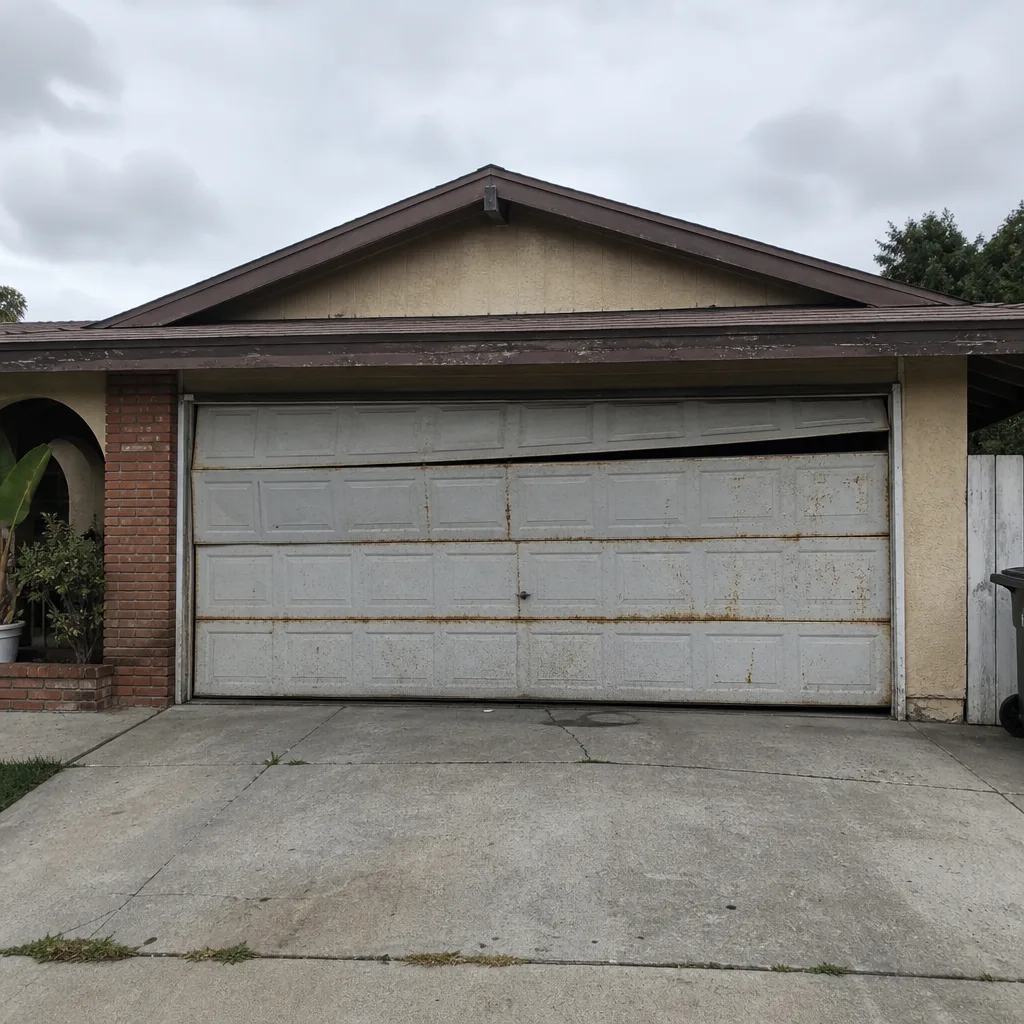
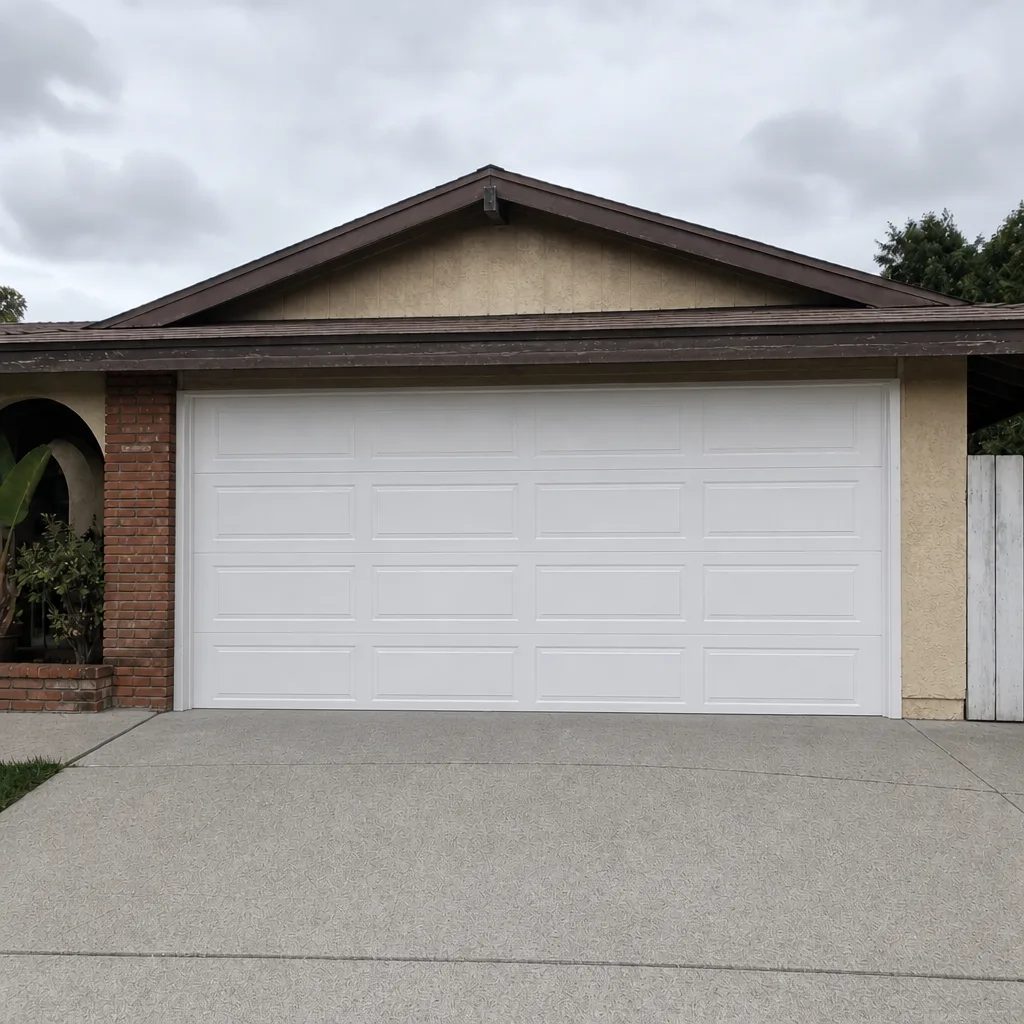
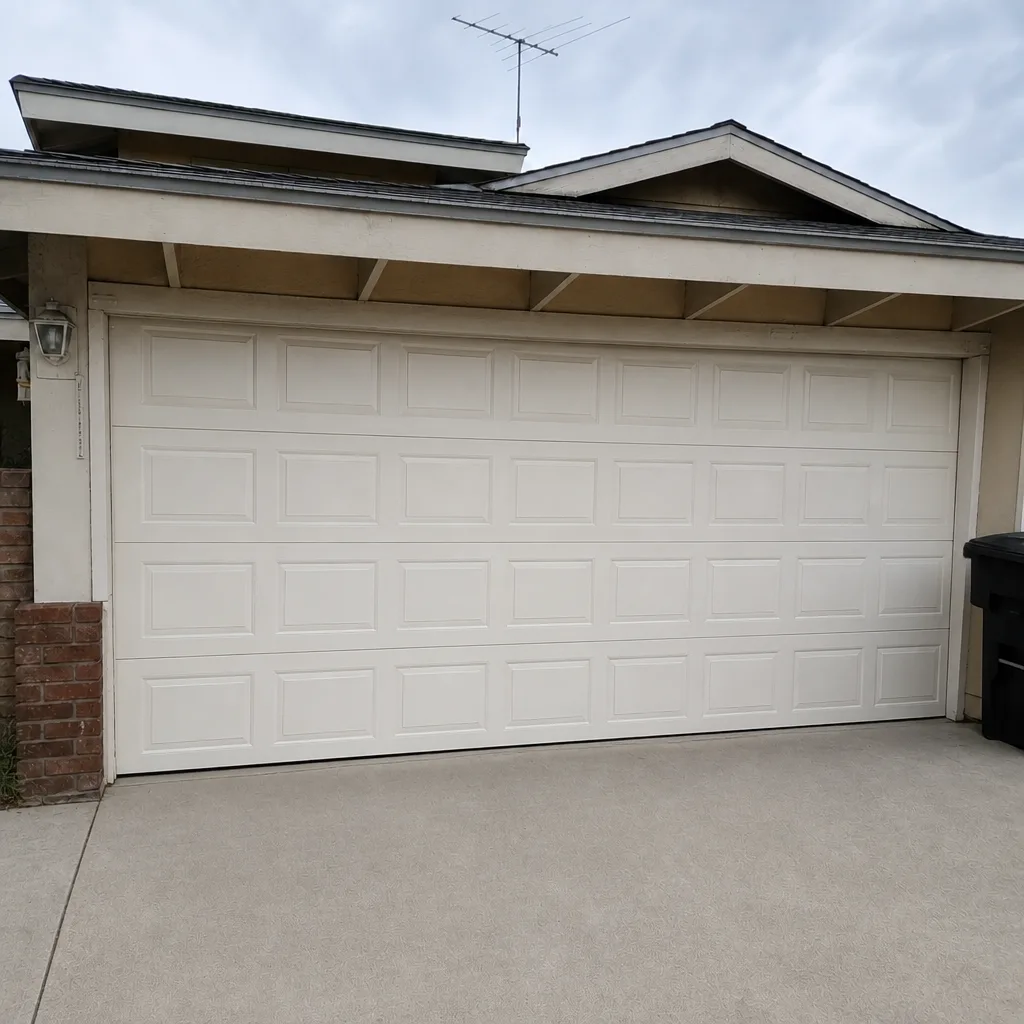
See the difference
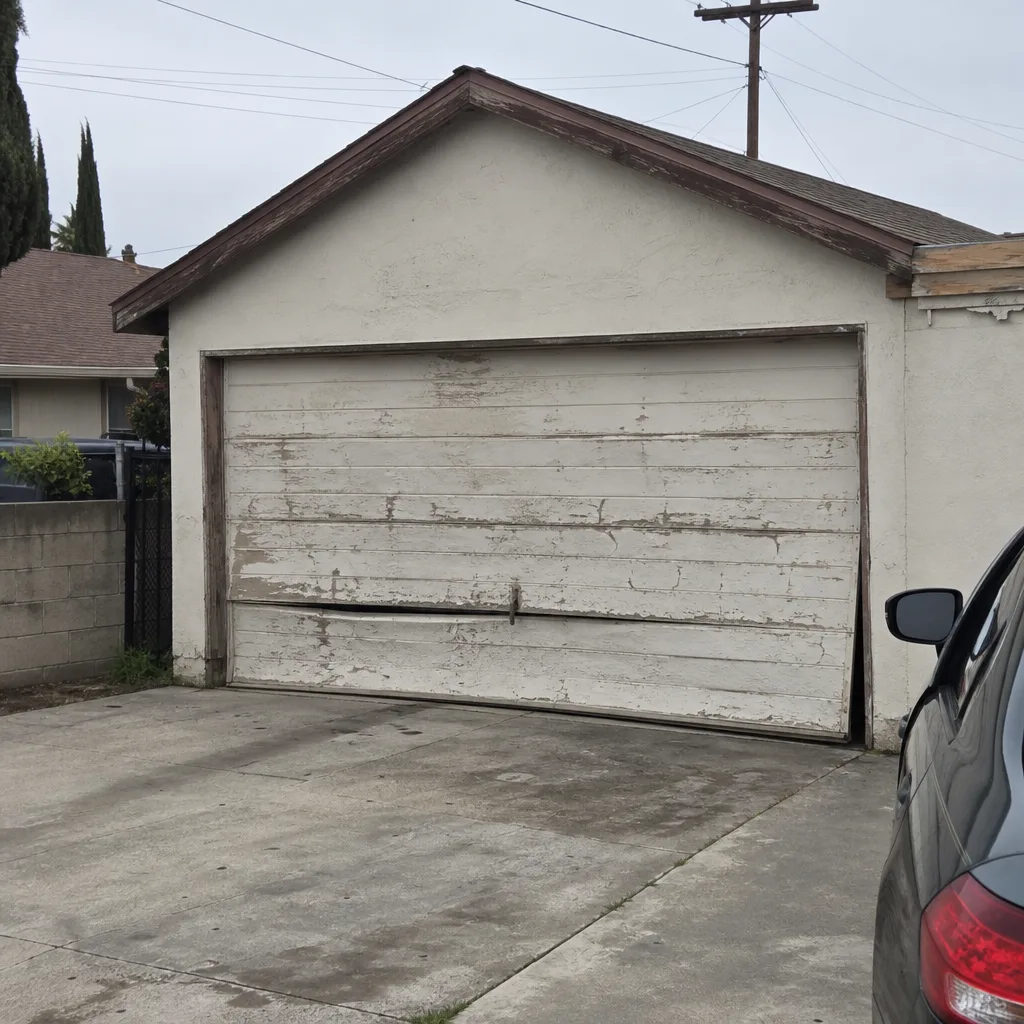 Before
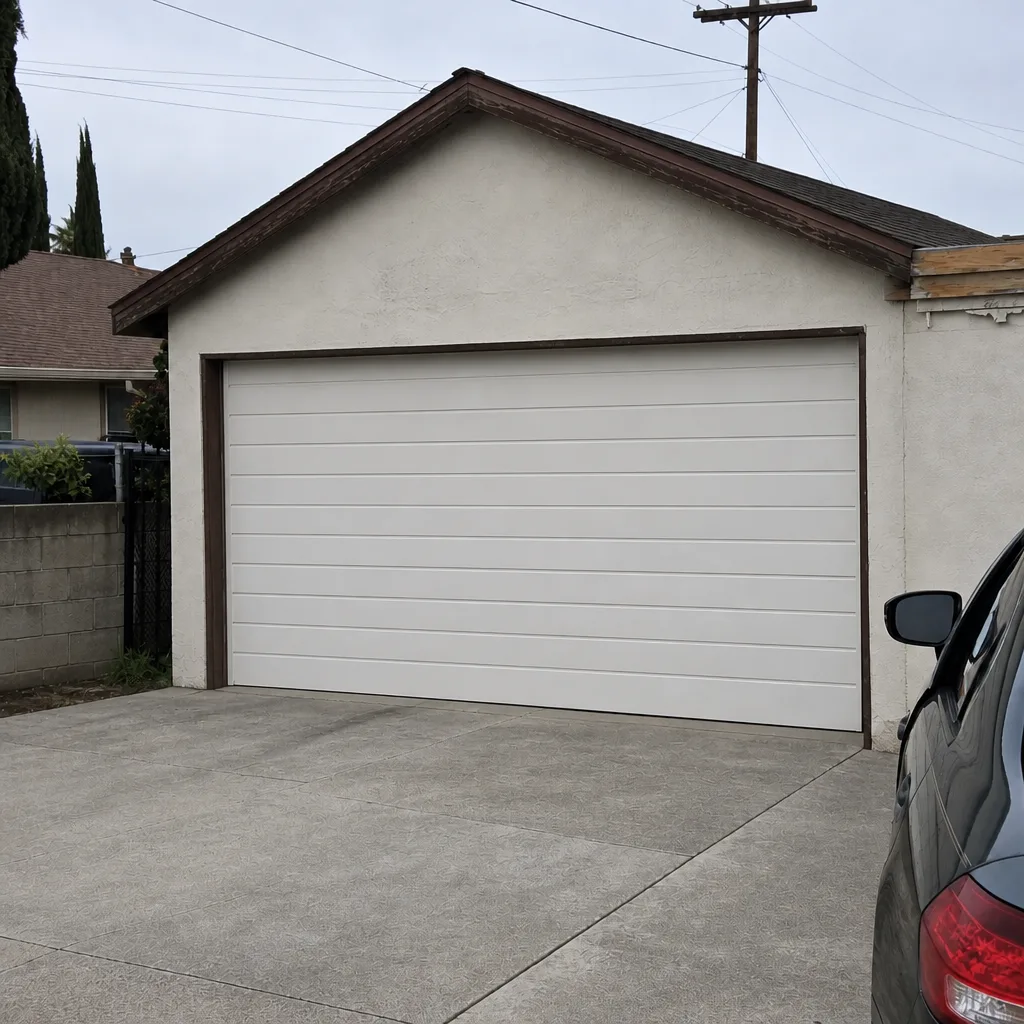 After
 Before
 After
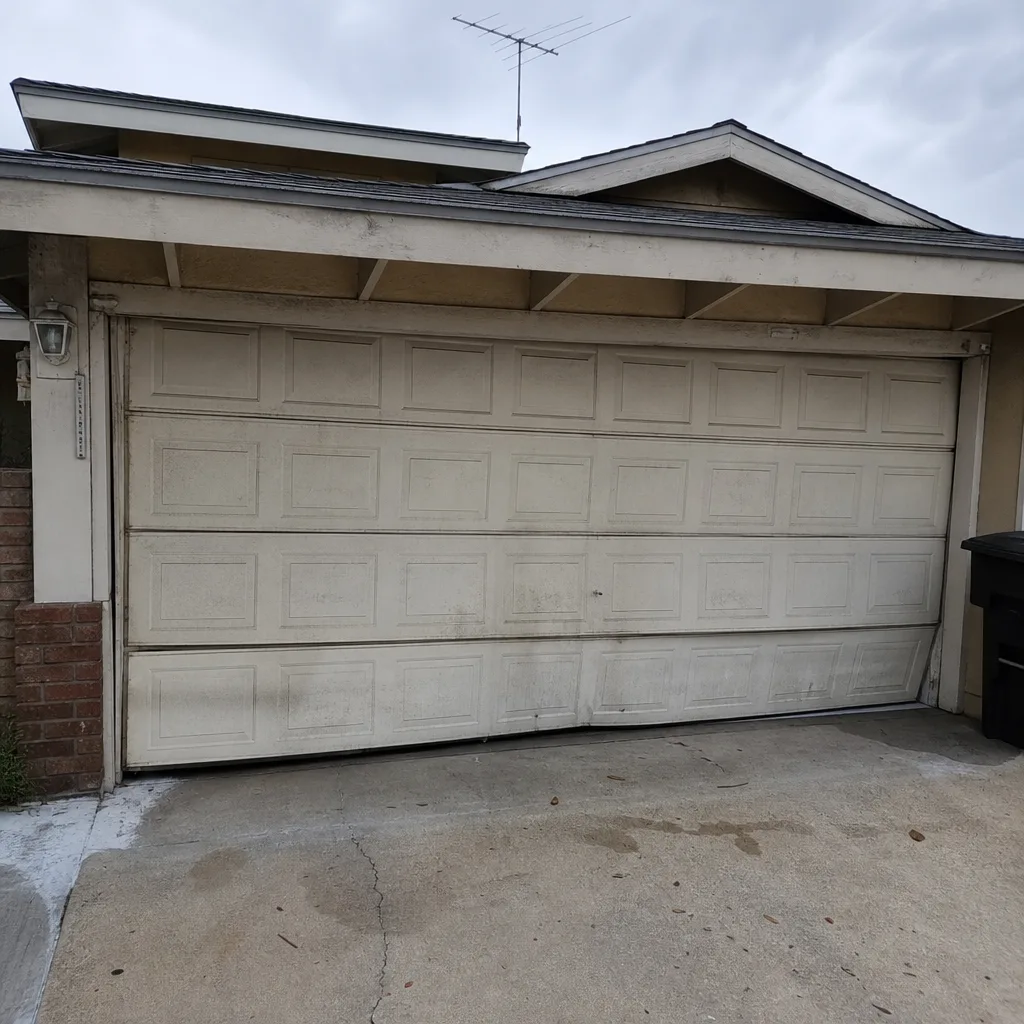 Before
 After
When to Call a Professional
You should call a garage door specialist in Buena Park when the job involves torsion springs, a new opener circuit, a door size change, or any work that will require an inspection you want to pass the first time. A professional who knows the local code and the city’s inspection habits will prepare the details in advance, from the anchoring to the safety reversal to the documentation. If you’re planning a replacement and not sure whether it needs a permit, we can walk you through it during the estimate. Hampton Garage Door Service offers free estimates in Buena Park, call (877) 265-9147, and we’ll help you understand exactly what your project involves before any work starts.
Frequently Asked Questions
You need a permit in Buena Park if the replacement changes the door size, weight, mounting, or energy compliance characteristics. A like-for-like swap of the same size and weight often qualifies as a repair and may not require a permit, but you should confirm with the city’s Building & Safety Division before starting. Call (877) 265-9147 and we can help you determine which category your project falls into.
Buena Park calculates permit fees using a valuation-based schedule, so the cost depends on the declared project value and whether plan review is needed. The city can quote the exact fee once they know your scope, and it is set per job. Call the Building & Safety Division for a current fee quote before you submit the application.
Buena Park allows homeowners to act as their own contractor, but the permit and inspection requirements still apply if the project falls under the city’s permit thresholds. DIY work does not exempt you from code compliance, and spring work carries serious injury risk. We recommend a trained professional for any job involving torsion springs or new electrical work.
A Buena Park garage door inspection checks the mounting and anchoring, the safety reversal system, spring containment, electrical connections, and Title 24 documentation where applicable. The inspector verifies that the door reverses on resistance and that the photo-eye beam functions correctly. Passing the first time comes down to having each detail done right before the inspector arrives.
Yes, an unpermitted garage door replacement can be flagged during title review and force a retroactive permit and inspection before the sale can close. With Buena Park’s market tightening, buyers are reviewing permit histories more carefully than in past years. Curing the issue before listing is always cheaper and faster than curing it under an escrow deadline.
No, the city’s permit and inspection requirements are based on size, weight, safety systems, and energy compliance, not on whether the door is a Clopay, Amarr, LiftMaster, or Chamberlain. What changes between brands is the documentation, like R-value spec sheets, which you should keep with your permit packet. Call (877) 265-9147 if you need help assembling the right paperwork for your door.
The Bottom Line
The permit question in Buena Park is not whether you can skip it, but whether the risk is worth it. For most door replacements, the permit is a modest fee and a week or two of time. The alternative is an unpermitted improvement that surfaces during escrow, forces a retroactive cure, and costs more than the original permit ever would. Understand which projects trigger a permit, keep your documentation, and pass the inspection the first time. When you work with a Buena Park garage door specialist who knows the local code, the process is quieter than you expect. And the peace at resale is a document in a folder instead of a question mark.
Written by the team at Hampton Garage Door Service, serving Buena Park since 2015.