
Last updated November 4, 2026
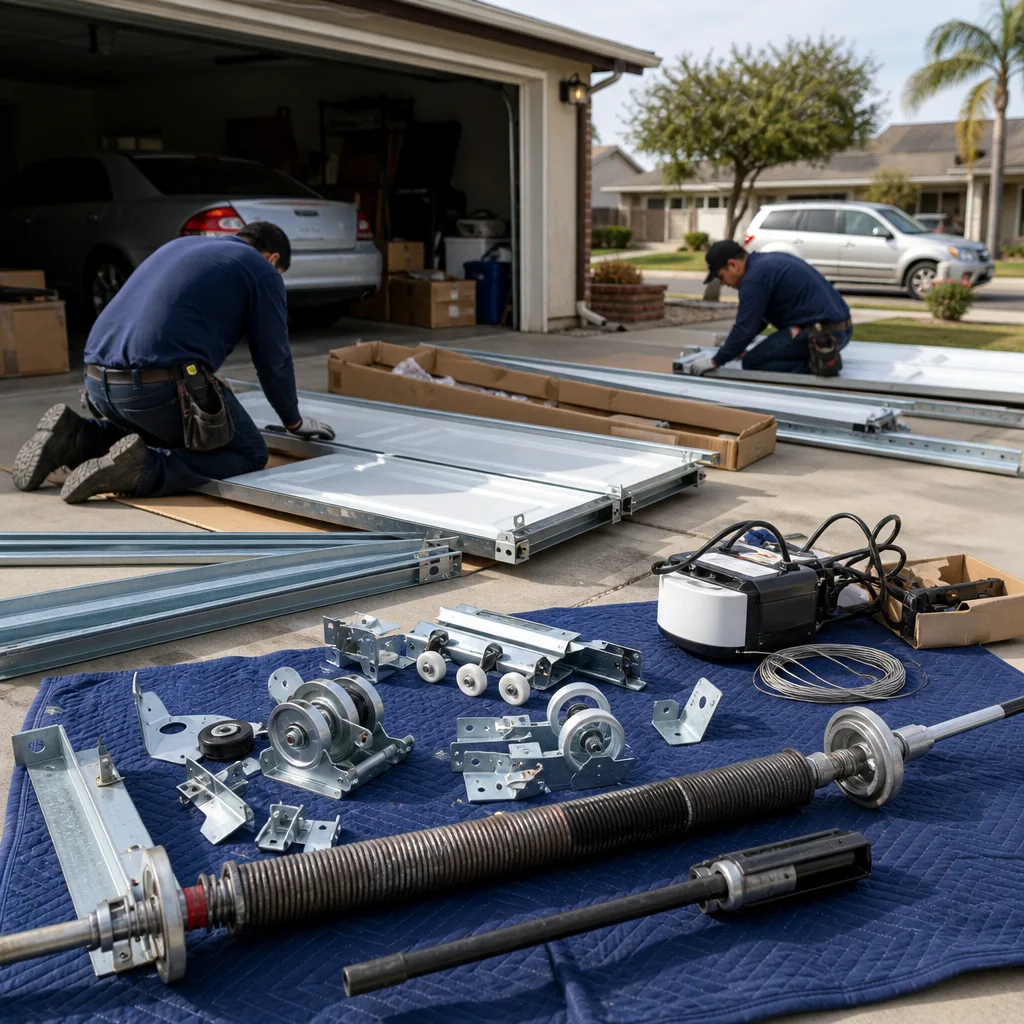
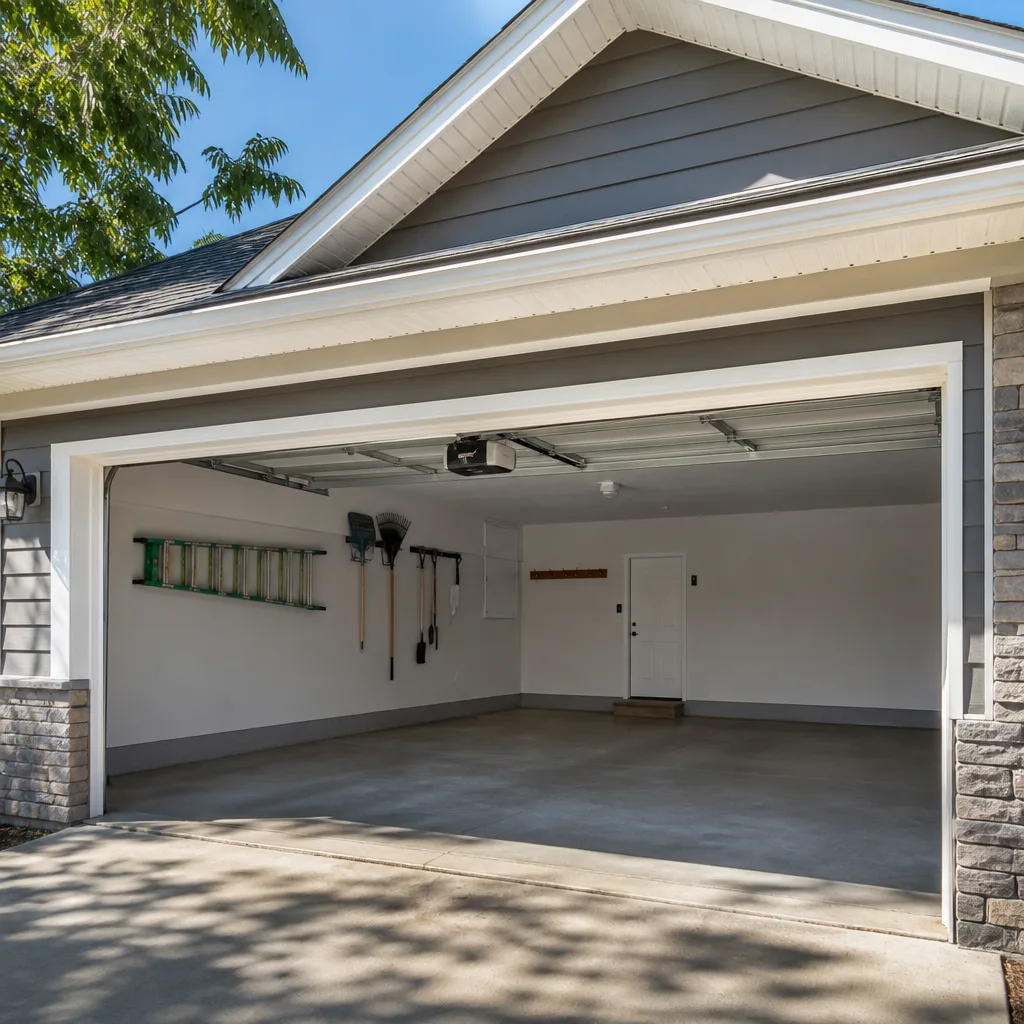
 Raised-panel steel
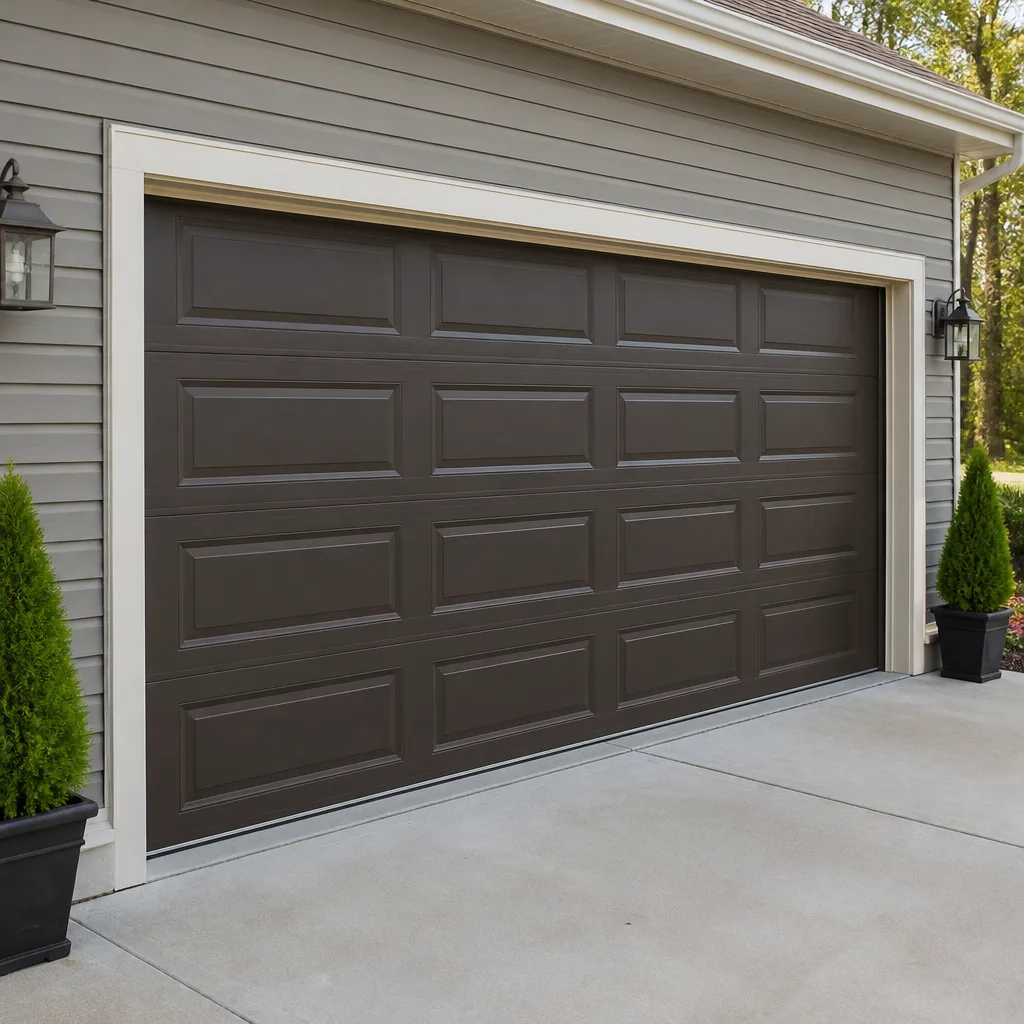
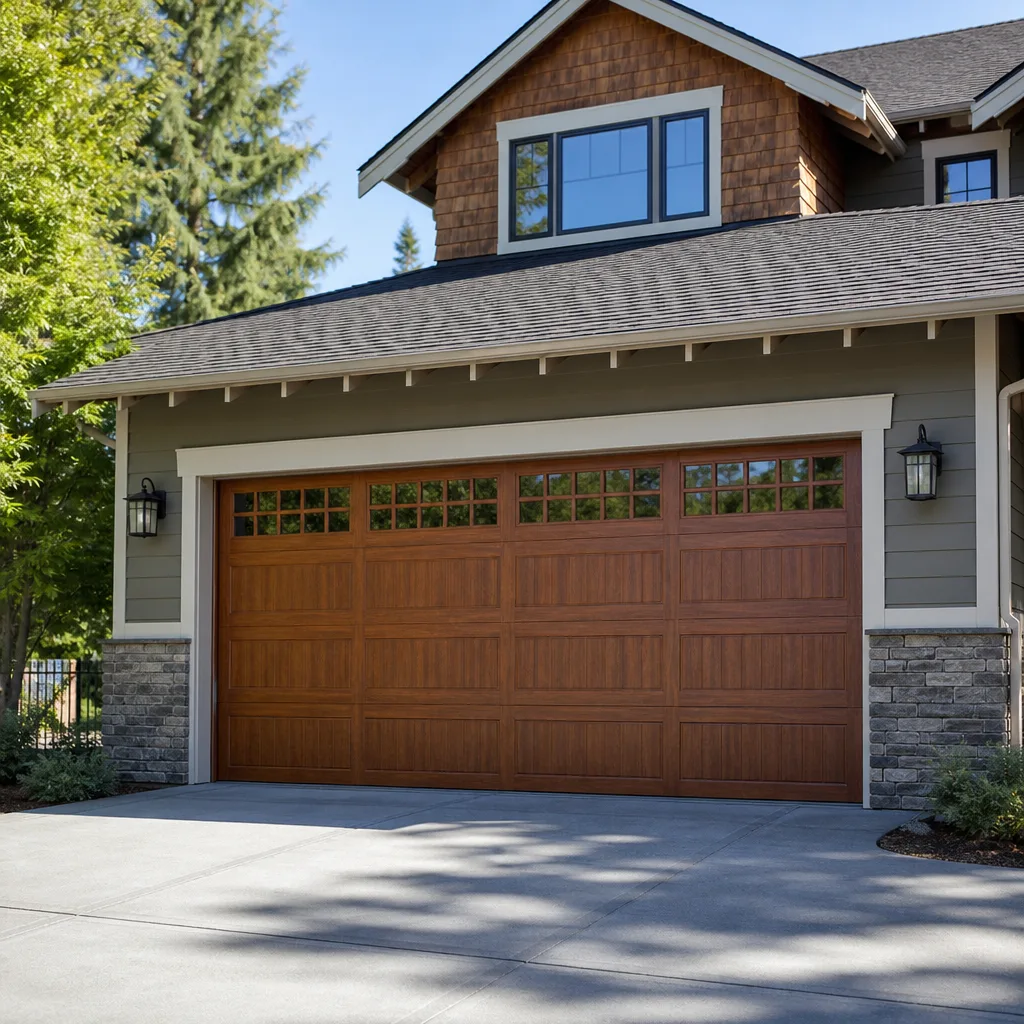
 Carriage house
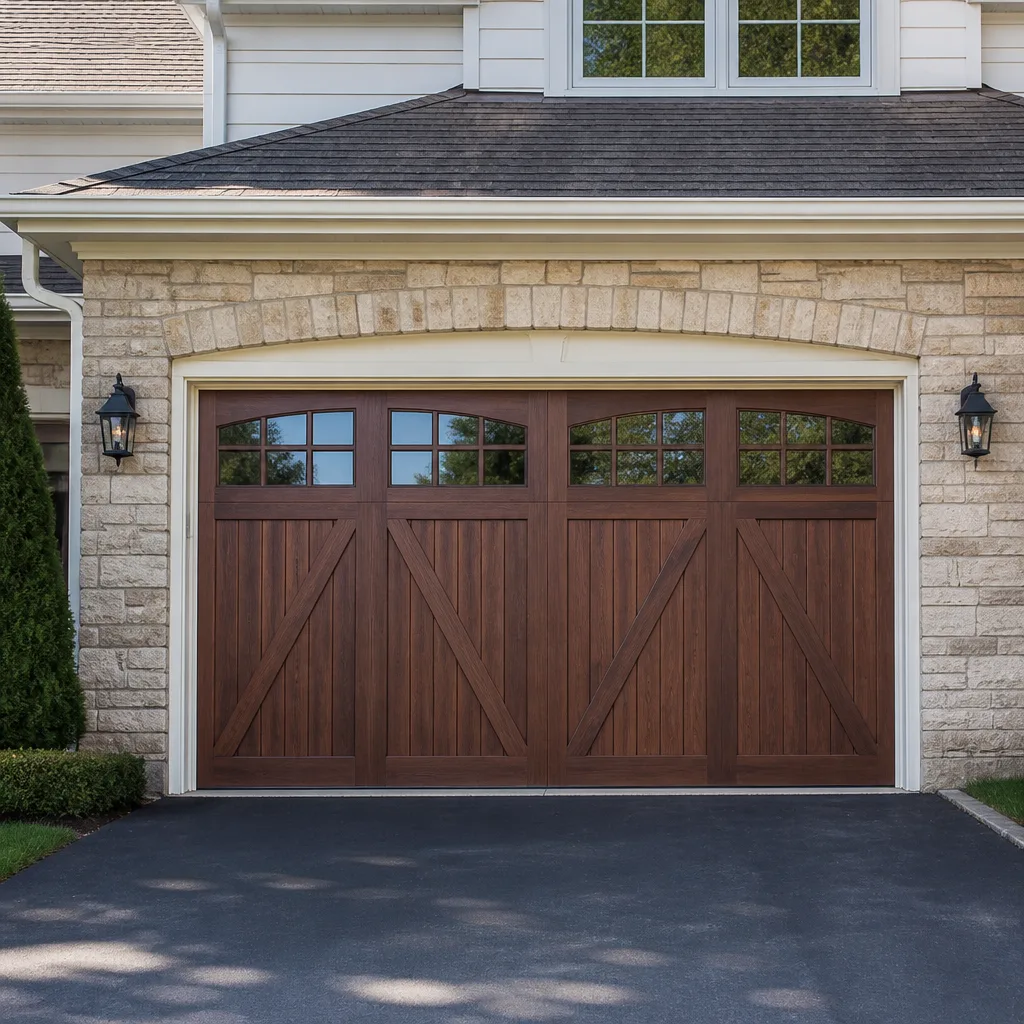
 Modern flush
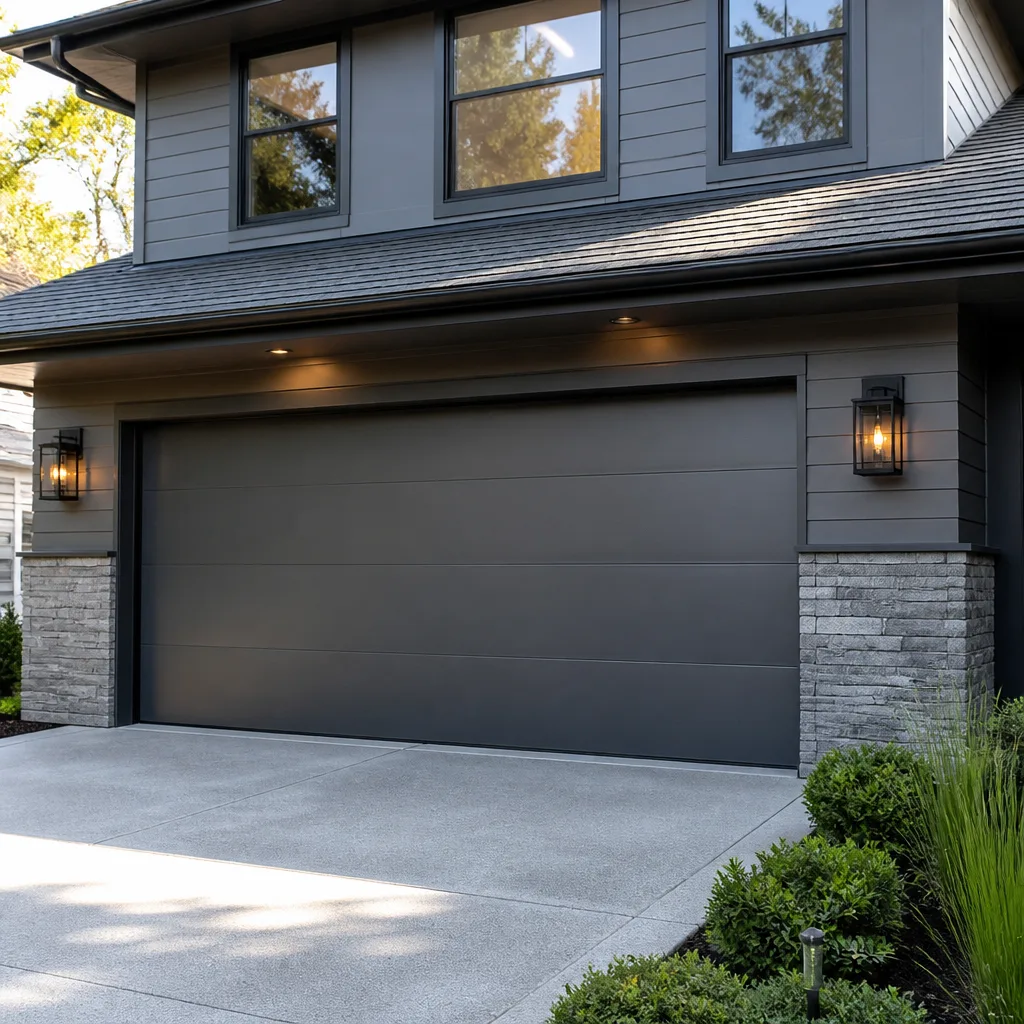
 Full-view glass
 LiftMaster openers
 Chamberlain openers
Full 25-point door and opener safety check with every visit - springs, cables, rollers, tracks, and your LiftMaster or Chamberlain opener included
You get a price before we start. It does not change when the truck arrives.
Get your free estimateGarage Door Repair Maintenance Checklist for Buena Park Homeowners
Most garage door maintenance checklists read like they were written for a house in Ohio. They assume snow, freezing temperatures, and a garage that gets used twice a day. But your door in Buena Park lives a different life. It cycles more often because it’s your main entry point, it takes a beating from particulate dust that settles into every hinge and sensor, and it sits close enough to active fault zones that a routine check should look nothing like what the manufacturer’s manual suggests. This guide is the maintenance calendar that actually matches where you live, with a focus on the tasks that extend service life and the busywork you can skip. We’ll walk through what to check monthly, what matters seasonally, and when to put the tools down and call garage door repair.
Quick Answer
A practical garage door maintenance checklist for Buena Park homeowners starts with monthly lubrication of rollers, hinges, and torsion springs using a lithium-based grease, followed by a balance test and a bottom seal inspection every quarter. Because of the dry heat and marine layer humidity swings in this part of Orange County, springs should get fresh lubrication every 60 days rather than the manufacturer’s typical 90-day recommendation, and you should run a post-tremor inspection of the track and mounting hardware after any noticeable earthquake. Most tasks take under 15 minutes and prevent the small issues that later become repair calls.
Styles & brands we work with
- Raised-panel steel
- Carriage house
- Modern flush
- Full-view glass
- LiftMaster openers
- Chamberlain openers
Table of Contents
- The 10-Minute Monthly Checklist
- Lubrication Intervals That Match Buena Park’s Dry Heat
- Bottom Seal Integrity Against Orange County Particulate Dust
- Seasonal Adjustments for Marine Layer Humidity Swing
- Post-Tremor Inspection for Homes Near Active Fault Zones
- Which Maintenance Tasks Actually Extend Service Life (and Which Don’t)
- Common Mistakes to Avoid
- When to Call a Professional
The 10-Minute Monthly Checklist
Consistency matters more than duration. A monthly walkaround will catch the slow-developing problems that turn into same-day repair calls. Here in Buena Park, the wind that comes through the passes and the dry inland air means your door picks up more fine grit than a coastal home in Huntington Beach would. That grit is the enemy of smooth operation.
Walk through these steps the first Saturday of every month. You’ll need a rag, a white lithium grease spray, and about ten minutes. Always disconnect the opener before touching the door by pulling the red emergency release cord.
- Listen for changes. Open and close the door once. A smooth door makes a low, even hum. Grinding, popping, or squealing tells you something has changed. That’s the earliest and most reliable diagnostic you have.
- Check the rollers. Look at each of the rollers on both sides. Nylon rollers with visible cracking or flat spots need replacement. Metal rollers should sit fully in the track without wobble.
- Look at the cables. The lift cables on both sides should have no visible fraying. Run a rag along each cable while the door is closed; if the rag snags on a strand, that cable is failing and needs professional attention. A snapped cable releases stored tension unpredictably.
- Test the auto-reverse sensors. Place a roll of paper towels on the floor in the door’s path and close it. The door should reverse within a second of contact. If it doesn’t, that’s a safety issue you address the same day.
- Check the balance. Pull the release cord and lift the door manually to about waist height. It should stay put. If it drops, your springs are fatiguing or losing tension. If it flies up, the springs are over-tensioned. Either way, the door is working harder than it should.
That’s the entire monthly routine. If you find anything off, address it now rather than waiting. A door that’s slightly out of balance in March will be fully out of balance by June in Buena Park, because the dry heat accelerates wear on already-strained components.
Lubrication Intervals That Match Buena Park’s Dry Heat
Here’s the thing about manufacturer lubrication charts: they assume average conditions. The 90-day interval printed on most manuals works for a garage in Seattle or Chicago. But Buena Park’s climate is hard on lubricant. Long stretches of single-digit humidity pull moisture out of greases, leaving behind a sticky, thickened residue that actually attracts dust rather than repelling it. Then a marine layer night rolls in from the coast, the temperature drops, and that residue reabsorbs moisture unevenly. The result is lubrication that breaks down faster than the manual expects.
In our experience working on doors across Buena Park, we recommend lubing torsion springs every 60 days, not every 90. The rollers and hinges can go 90 days, but the springs are under constant tension and lose their protective film faster in this environment.
Follow these steps:
- Wipe the spring first. Never apply fresh lubricant over caked-on grease and dust. Use a dry rag to remove what you can.
- Spray white lithium grease directly onto the torsion spring while the door is closed. You want a light, even coat across the full length of the spring.
- Apply a small amount to each roller bearing and each hinge pivot point. A quick shot is enough; overspray drips onto the door face and attracts grime.
- Wipe away any excess. If the lubricant runs down the spring, you used too much.
- Run the door through one full cycle to distribute the lubricant evenly.
Skip the WD-40. It’s a solvent, not a long-term lubricant, and it will actually strip away the grease that’s already there. Use a white lithium grease for metal components and a silicone spray for nylon rollers if they’re squeaking. This is one of the highest-leverage maintenance tasks you can do at home, and it directly counters the failure pattern we see most often with LiftMaster and Chamberlain systems in the area.
Bottom Seal Integrity Against Orange County Particulate Dust
The bottom seal on a garage door is a consumable part. It doesn’t last the life of the door. In Buena Park, it wears out faster than in many zip codes because of what the wind carries. The dry air from the inland valleys picks up fine particulate dust and deposits it along door thresholds. Each time the door closes, that dust acts like a fine abrasive, slowly eroding the rubber from the underside.
A compromised bottom seal lets in dust, small pests, and warm air during hot spells. It also changes how the door sits on the ground, which can mask early signs of misalignment. Test yours every quarter.
Run this check:
- Close the door completely.
- Walk inside the garage and crouch down to look along the bottom edge.
- Look for daylight. Any visible gap means the seal is no longer making full contact, even if the rubber looks intact from the outside.
- Run your hand along the seal. Cracks, brittleness, or sections that feel hard instead of pliable mean the material has done its job and needs replacing.
- Check the corners. Seals often pull away at the edges first, especially on wider double doors common in Buena Park’s ranch-style homes.
Replacing a bottom seal is a doable DIY job if the channel is in good shape. But if the door sits unevenly or the channel itself is bent, that’s a sign the door may have shifted, and you’ll want a professional to look at the alignment. We carry seals for every brand we service, including Clopay and Genie doors, so a replacement doesn’t wait on shipping.
Seasonal Adjustments for Marine Layer Humidity Swings
Buena Park’s maintenance calendar looks different from a four-season guide. We don’t have a winter to prepare for, but we do have predictable seasonal shifts that stress different components.
Spring (March – May): This is the season of temperature swings. Warm afternoons followed by cool, damp nights from the marine layer cause metal track sections to expand and contract. That movement loosens mounting bolts over time. In spring, check the track brackets and tighten any you can reach with a socket wrench. Also inspect the weatherstripping around the frame, which gets brittle after the dry winter months.
Summer (June – September): Heat is the dominant stressor. The metal on a south-facing door in Buena Park can get hot enough to be uncomfortable to touch by mid-afternoon. That heat causes lubricant to thin and run off, which is why 60-day spring lubrication matters most this season. It also accelerates UV damage to any exposed plastic components on the exterior, like photo-eye lens covers. Give them a quick wipe with a dry cloth monthly during summer.
Fall (October – November): The Santa Ana winds arrive. This is when the most dust and debris gets blown against your door and into the tracks. Before the winds pick up, clear the track channels of any buildup and check that the bottom seal is still making full contact.
Winter (December – February): Our mild winter means no freeze prep, but the morning marine layer fog can leave fine moisture on metal hardware. Check for any surface rust starting on exposed hinges and brackets. A light wipe with an oily rag stops rust before it pits the metal. This is also a good time to run the full balance test, since many homeowners use their garages as workspaces more in the cooler months.
Post-Tremor Inspection for Homes Near Active Fault Zones
Buena Park sits close enough to the Puente Hills and Whittier fault zones that most homeowners here have felt a quake or two. Your garage door system has a lot of moving parts held together by bolts, brackets, and tension. After any earthquake you can feel, take five minutes to make sure nothing shifted.
Garage door tracks are rigid. When a house shakes, the door and track assembly can absorb some of that movement. A strong enough tremor can knock a roller out of alignment, loosen a track bracket, or in rare cases shift the opener’s mounting point.
Run this inspection after any noticeable tremor:
- Check the track alignment on both sides. Look for any gap between the track and the wall brackets. A track that’s pulled away from the wall even a quarter inch changes how the rollers travel.
- Open and close the door once by hand. Listen for scraping or binding that wasn’t there before the quake.
- Look at the torsion spring. Check that it’s still centered and that the mounting cones haven’t shifted.
- Inspect the opener rail. Make sure the rail is still straight and the mounting straps are tight.
- Test the auto-reverse function again. A shifting house can knock a safety sensor out of alignment even if the door itself looks fine.
Most post-tremor issues are minor adjustments. A loose bolt takes a minute to tighten. But if the door binds or the track looks bent, stop using the opener and have a technician look at it. A misaligned door under spring tension is not something to work on yourself. For homes with Genie or Raynor openers, a hard shake can also reseat the travel limits, so if the door stops short of the floor or reverses unexpectedly, that’s a sign the opener’s calibration changed and needs professional attention.
Which Maintenance Tasks Actually Extend Service Life (and Which Don’t)
Not everything printed in a manufacturer’s manual earns its keep. Some tasks genuinely change how long your door lasts. Others are filler that sells replacement parts. Here’s our honest take from fixing doors across Orange County.
Tasks that actually extend service life:
- Lubricating springs and hinges. This is the single highest-impact maintenance task for door longevity. A dry spring wears against itself under tension, shortening its cycle life. Lubrication costs pennies and takes five minutes.
- Testing the balance. A door that operates out of balance puts excess strain on the opener motor and the cables. Catching it early saves wear across the whole system.
- Replacing the bottom seal when it hardens. A flexible seal keeps out the dust that accelerates wear on rollers and hinges. It’s cheap insurance.
- Keeping tracks clear. Debris in the track forces rollers to work harder and can create dents that permanently roughen operation.
Tasks that are mostly busywork:
- Tightening every bolt on the door monthly. You’ll find loose bolts after a quake or after a season of temperature flexing. Monthly tightening isn’t necessary and risks overtightening, which strips threads.
- Waxing or polishing the door face. A clean door looks nice, but unless you have a wooden door that needs resealing, cosmetic work does nothing for operation. Modern steel and aluminum doors with factory finishes don’t need wax.
- Lubricating safety sensor lenses with anything. The lenses need cleaning, not lubrication. A dry, soft cloth is all that’s required. Applying lubricant here creates a film that attracts dust and worsens sensor performance.
- Replacing rollers on a set schedule. Some guides suggest swapping rollers every two years. That’s rarely necessary. Inspect them monthly and replace them when they show cracking, flat spots, or wobble. On a well-maintained door, nylon rollers can last many years.
Focus your time on lubrication, balance testing, and seal inspection. Those three things prevent the majority of breakdowns we see, including the ones that require garage door opener repair because a straining motor finally burned out.
Common Mistakes to Avoid
- Using WD-40 on the springs. It disperses the existing lubricant and leaves the spring drier than it started. That’s the exact opposite of what a Buena Park garage needs during dry summer months.
- Ignoring a noisy door because it still works. A squeal or pop is the earliest warning sign. Every noisy door eventually becomes a broken door. The sound tells you where the problem is developing.
- Replacing one torsion spring instead of both. Springs are matched to the door’s weight and cycle rating. If one has failed, the other is close behind. Replacing one creates an unbalanced system that wears out the new spring early.
- Cleaning photo-eye lenses with glass cleaner and a paper towel. Some cleaners leave a residue that dust clings to faster than a dry cloth would. Paper towels can scratch the lens. A dry microfiber cloth is the right tool.
- Adjusting spring tension as a DIY project. Torsion springs store enough energy to cause serious injury. This is the one maintenance task where the risk never justifies the savings. If the balance test fails, call someone who works on springs every day.
- Greasing the track itself. The track should stay dry. Lubricant in the track channel collects dust and creates a paste that makes the rollers work harder. Lubricate the roller bearings, not the rail they ride on.
- Skipping the post-tremor check. A small shift after a quake might not show up as a problem for weeks. By then, the wear has compounded. Five minutes after any noticeable shake saves real money.
When to Call a Professional
Most maintenance on this checklist is safe for a homeowner. But a few situations cross the line into professional territory. Call a technician if your balance test shows the door won’t stay at waist height, because that means the spring is failing and working on a live torsion spring is dangerous. Call if you see visible cable fraying; a snapped cable under load can cut through sheetrock and anything else in its path. Call if a post-tremor inspection shows the track has pulled away from the wall or the door binds at any point in its travel. And call if your opener makes a grinding sound, since that usually means a gear inside the motor is stripping and further use will only spread the damage.
Hampton Garage Door Service is the team we’d send to our own garage. We work only on garage doors, which means our technicians diagnose faster and fix more accurately than a generalist. Our experience covers doors and openers from LiftMaster, Chamberlain, Genie, Clopay, and more, so we’re familiar with the specific maintenance quirks of each brand. If something on your checklist looks off, don’t wait. Call (877) 265-9147 for a free estimate in Buena Park. We answer 24/7. Fast dispatch from 7am to 7pm, Sunday through Friday.
See the difference
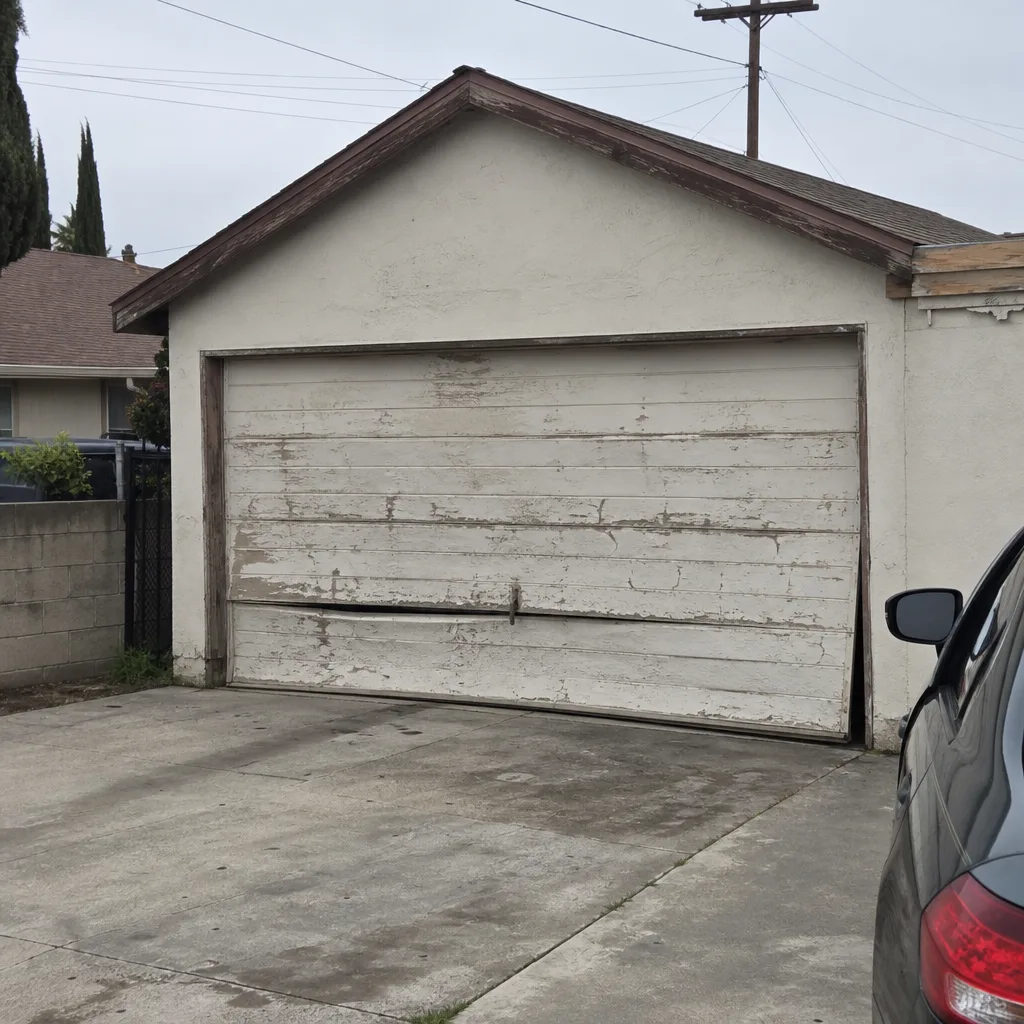 Before
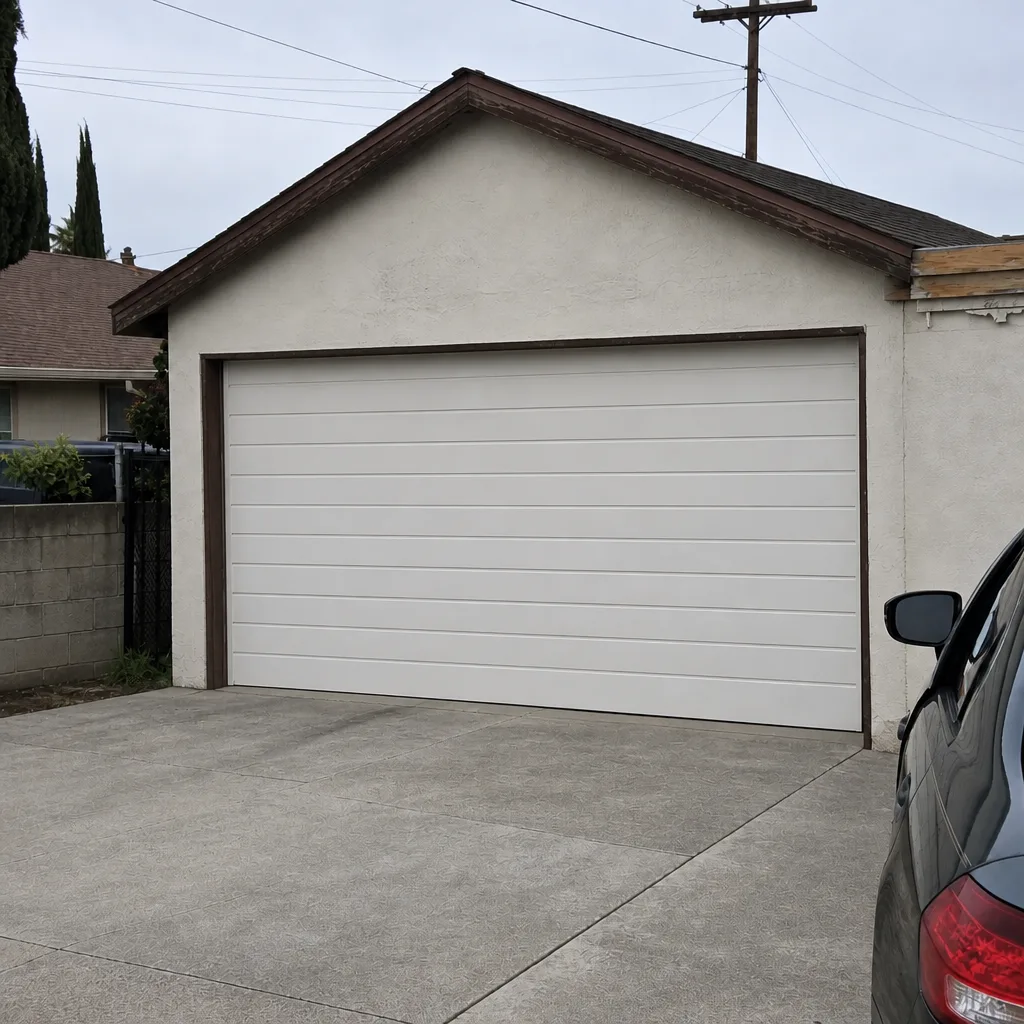 After
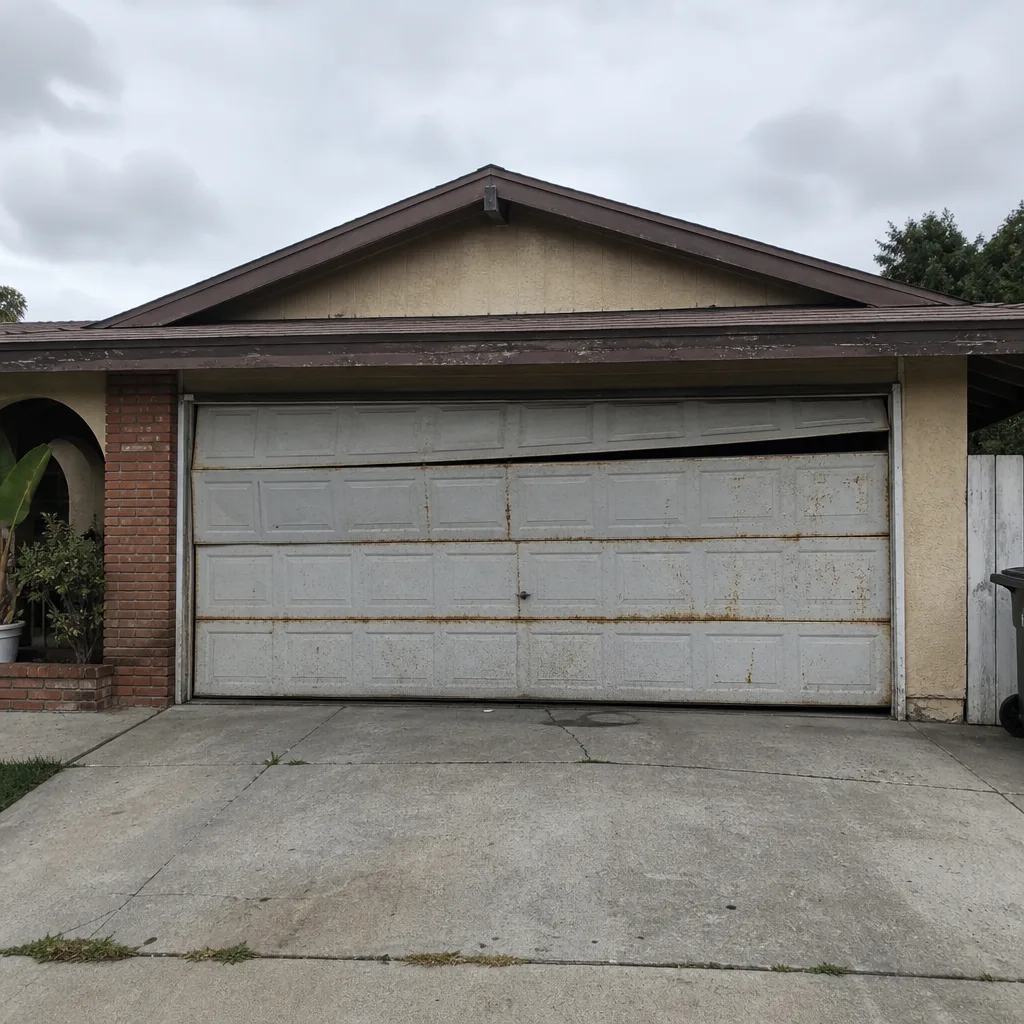 Before
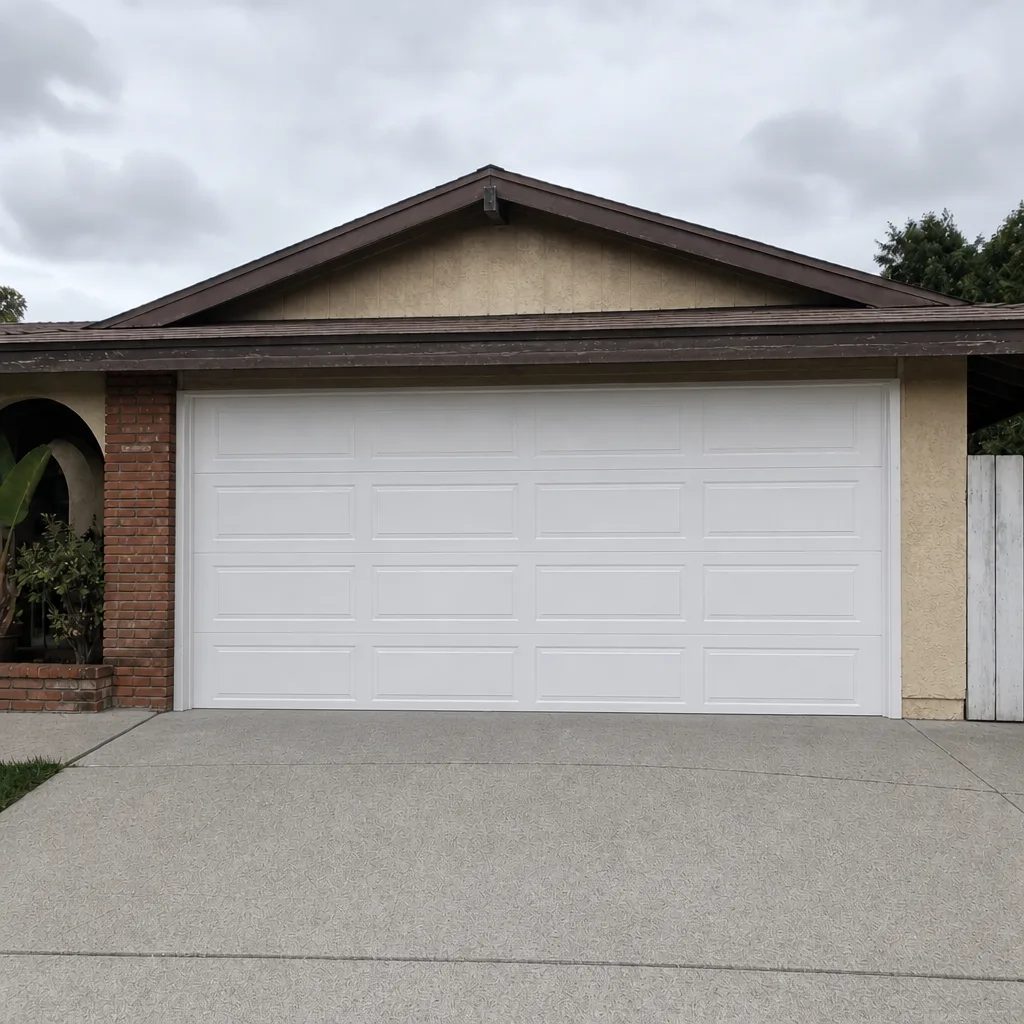 After
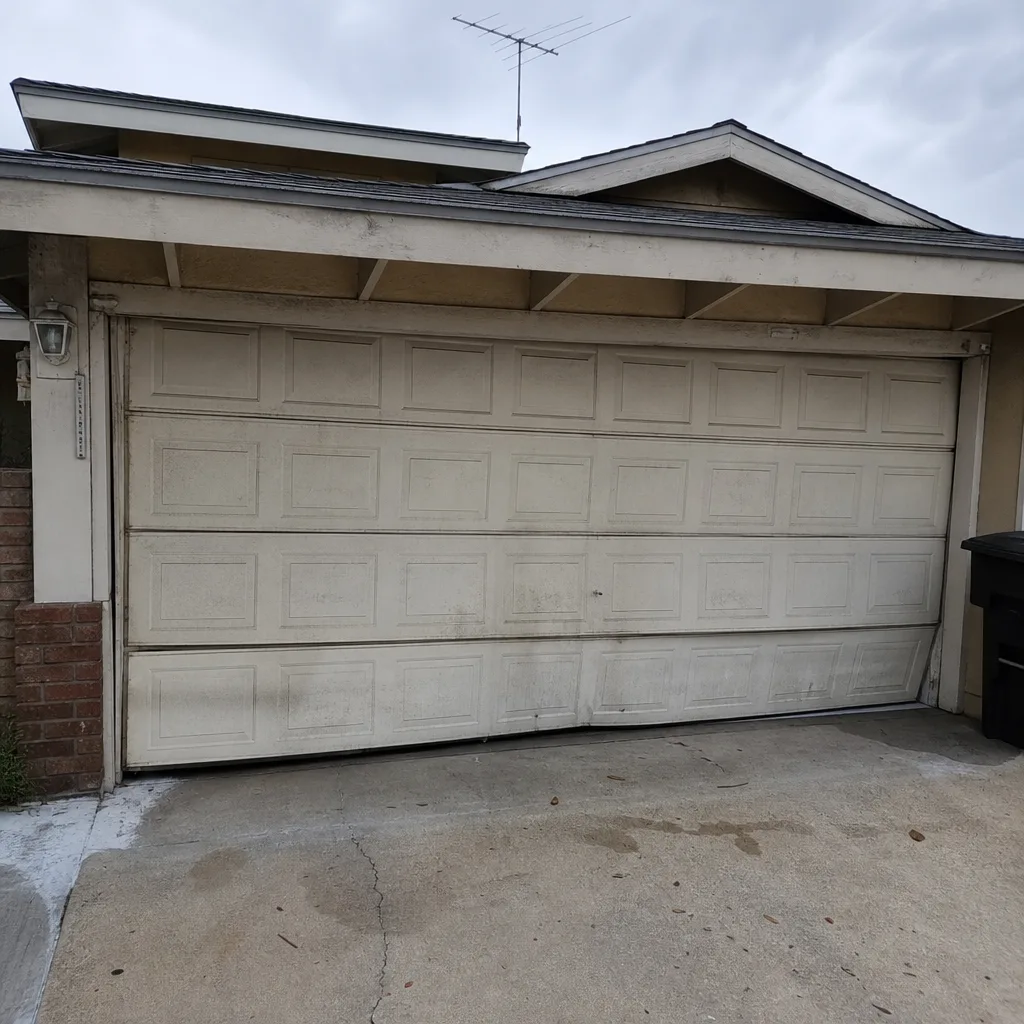 Before
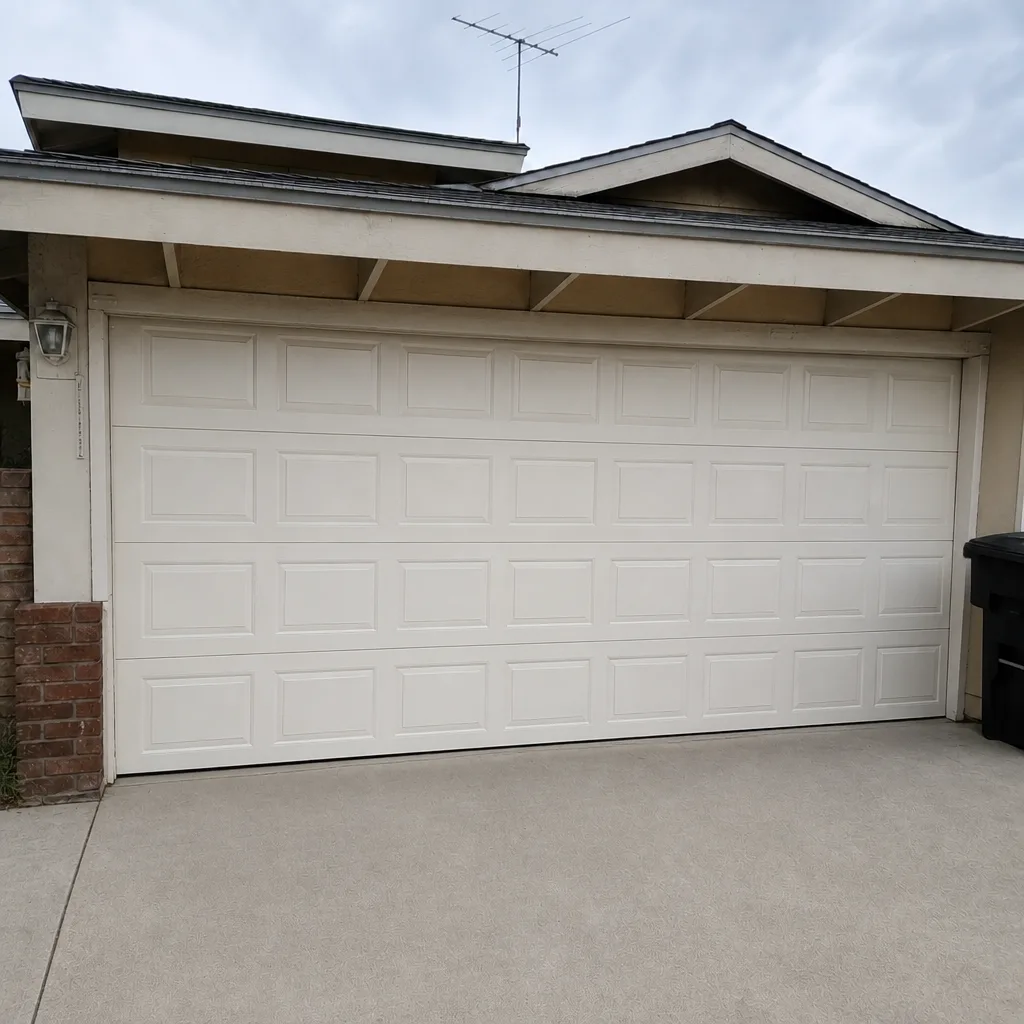 After
Frequently Asked Questions
Lubricate torsion springs every 60 days, rollers and hinges every 90 days. Buena Park’s dry heat thins out lubricant faster than the manufacturer’s standard 90-day interval accounts for, so the springs benefit from a shorter cycle than what most manuals recommend. Call (877) 265-9147 if you’re unsure what to use or would rather have a technician handle the whole maintenance pass.
Basic maintenance you do yourself costs whatever a can of white lithium grease runs at the hardware store, typically under $15. Having a technician do a professional lubrication and tune-up in Buena Park typically runs in the range of $95 to $165, depending on the door size and how much adjustment is needed. The final number is always set by a written estimate before work begins. Call (877) 265-9147 for a free estimate.
The marine layer that rolls into Buena Park overnight cools the metal components, and when metal cools it contracts. That slight contraction changes how components seat against each other, which can produce noise that disappears once the day warms up. If the noise doesn’t fade after the door runs a few cycles, or if it gets worse over time, the underlying cause is usually dry hinges or rollers rather than temperature alone.
The earliest signs are visible wear and a door that won’t hold its position at waist height when released from the opener. You may also see a gap in a torsion spring, which means it has already broken. Springs in Buena Park often give less warning than in milder climates because the dry heat accelerates metal fatigue, so run the balance test monthly and don’t ignore new noises. If you suspect a spring problem, stop using the door and call a professional. Installing or adjusting a spring is not a safe DIY task.
Most of the monthly checklist, like lubrication and seal inspection, is safe to handle yourself with basic tools and common sense. The hard line is anything involving the torsion spring, the lift cables, or removing track hardware. Those components are under tension and a mistake can cause serious injury. A good rule: if the task requires releasing spring tension, it requires a technician.
Check the track brackets on both sides to make sure the track hasn’t pulled away from the wall, then run the door once by hand and listen for scraping or binding. Also check the torsion spring is still centered and test the auto-reverse function. Buena Park’s proximity to active fault zones means a noticeable tremor can knock things loose even when the door looks fine from a distance.
The Bottom Line
A garage door in Buena Park doesn’t need more attention than one anywhere else, but it needs attention at different times. Lubricate the springs every 60 days instead of 90. Check the bottom seal quarterly against desert and Santa Ana dust. Run a post-tremor inspection after any quake you feel. And skip the busywork that fills maintenance manuals, like polishing the door face or replacing rollers on an arbitrary schedule. The tasks that matter cost almost nothing and take minutes a month. They prevent the slow-developing failures that eventually become same-day repair calls. Keep the opener, the springs, and the seal in good shape, and the rest of the system follows.
Written by the team at Hampton Garage Door Service, serving Buena Park since 2015.