
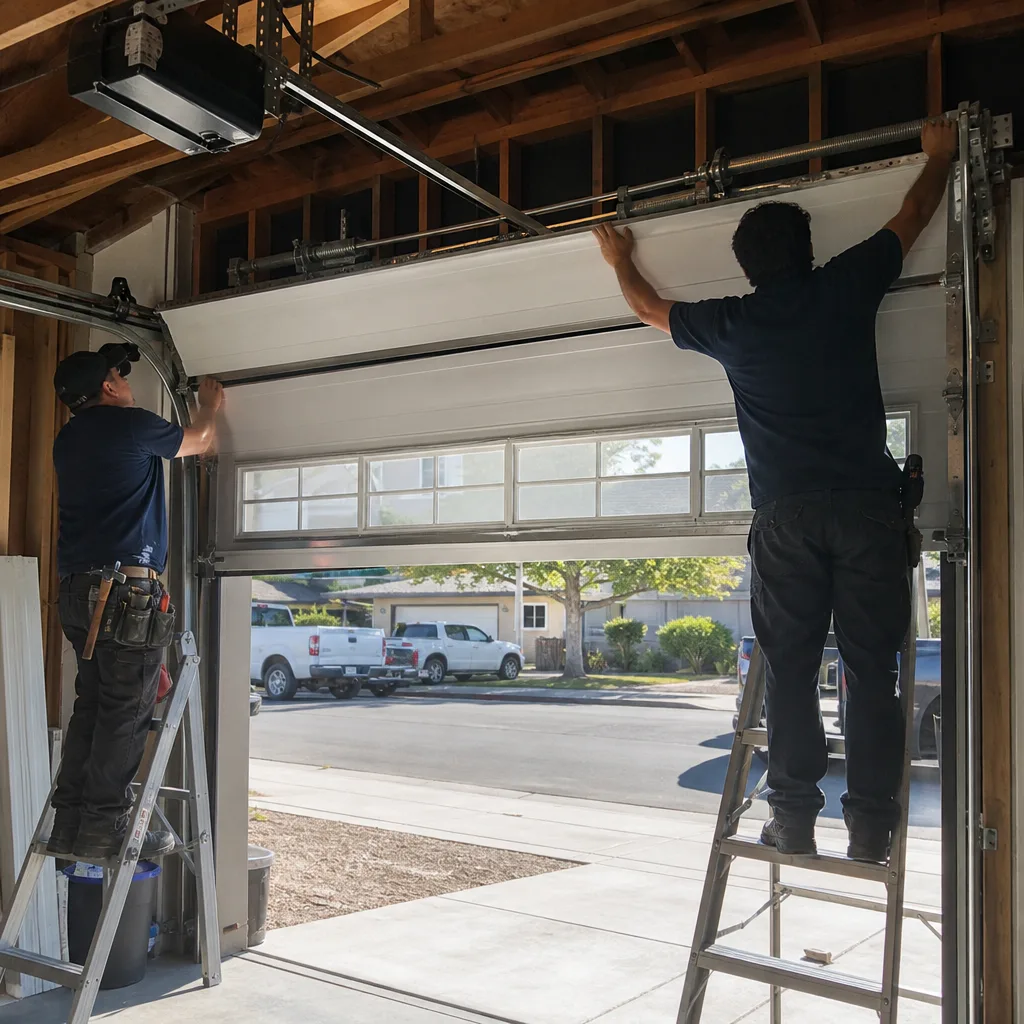
Last updated November 4, 2026
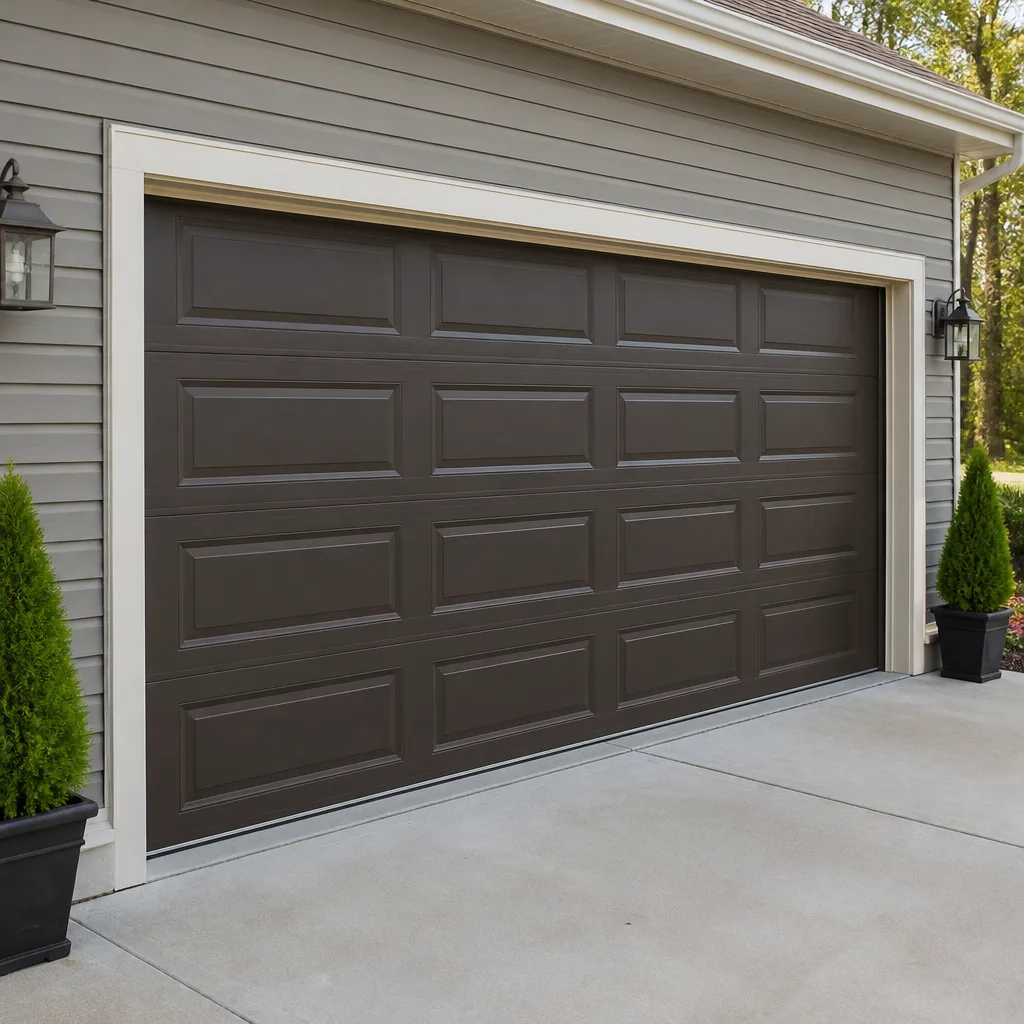 Raised-panel steel
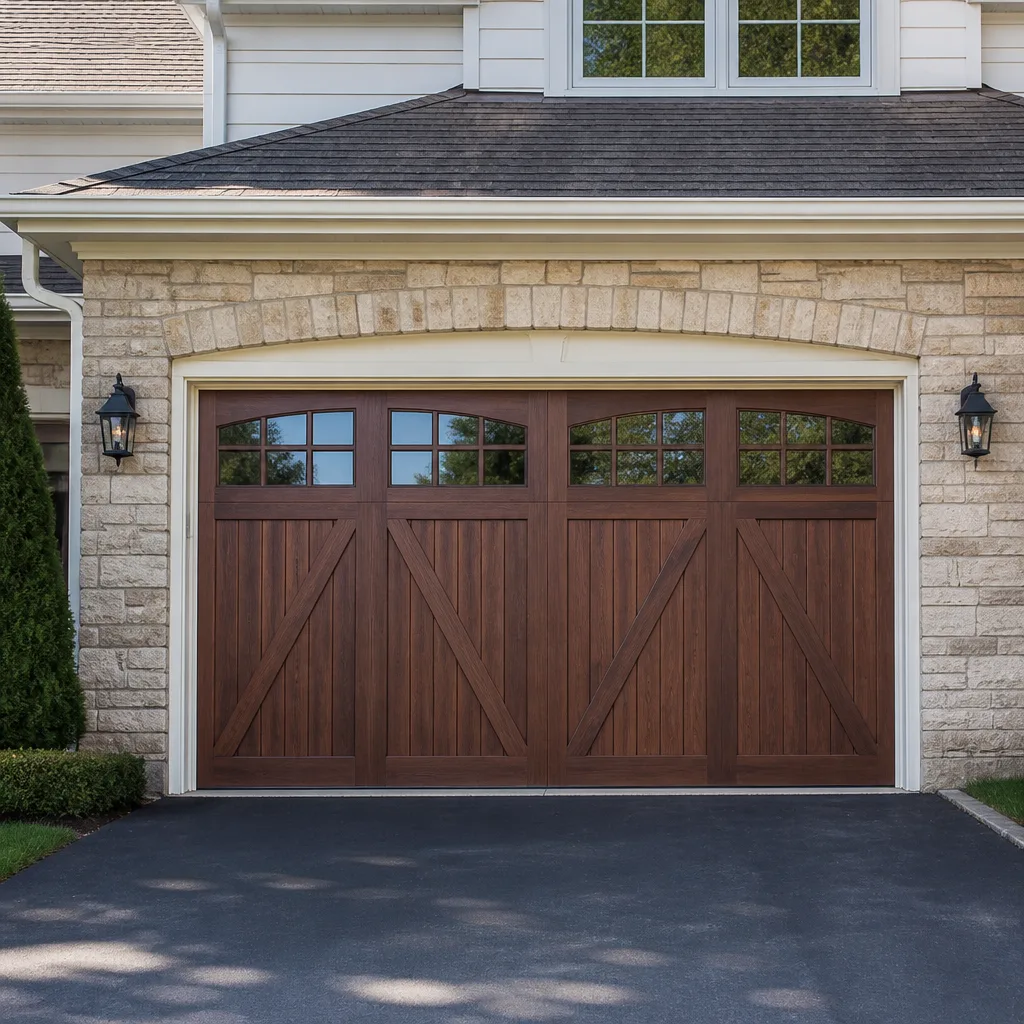 Carriage house
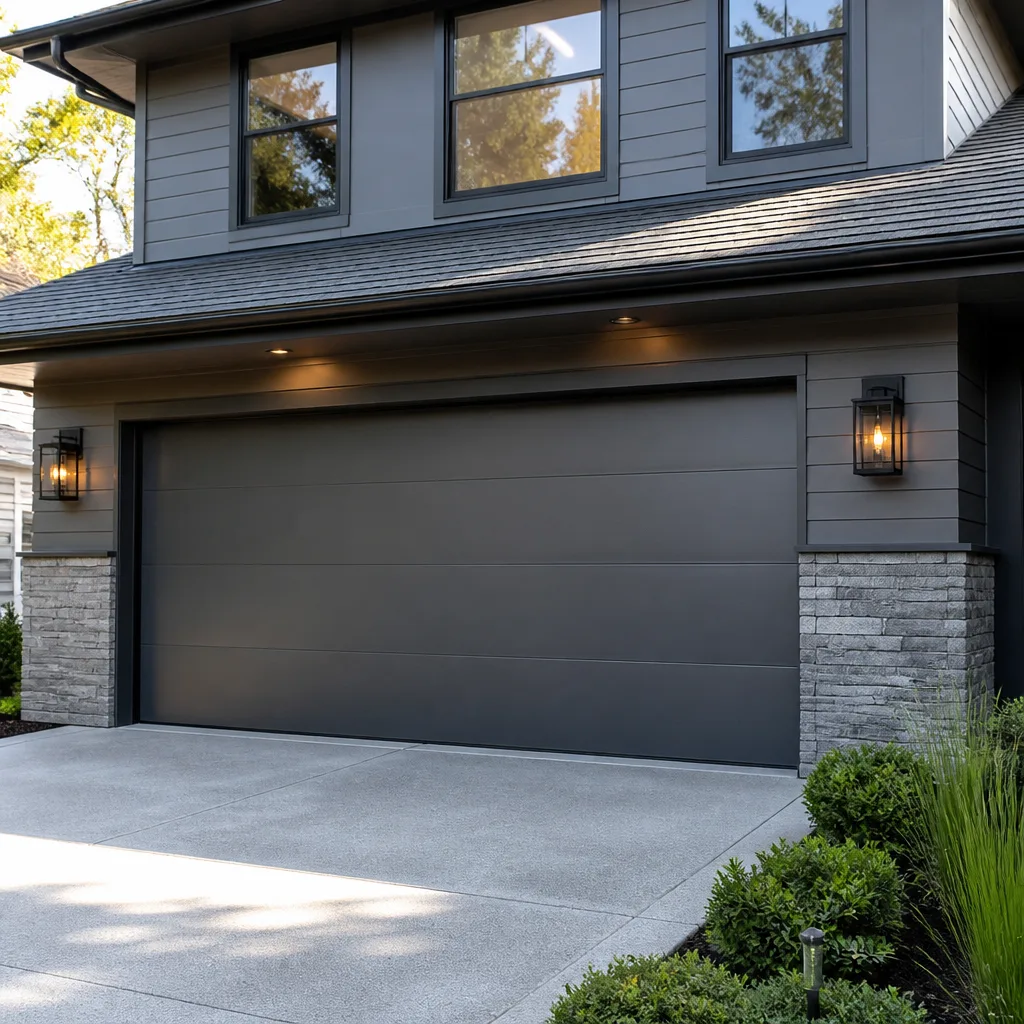 Modern flush
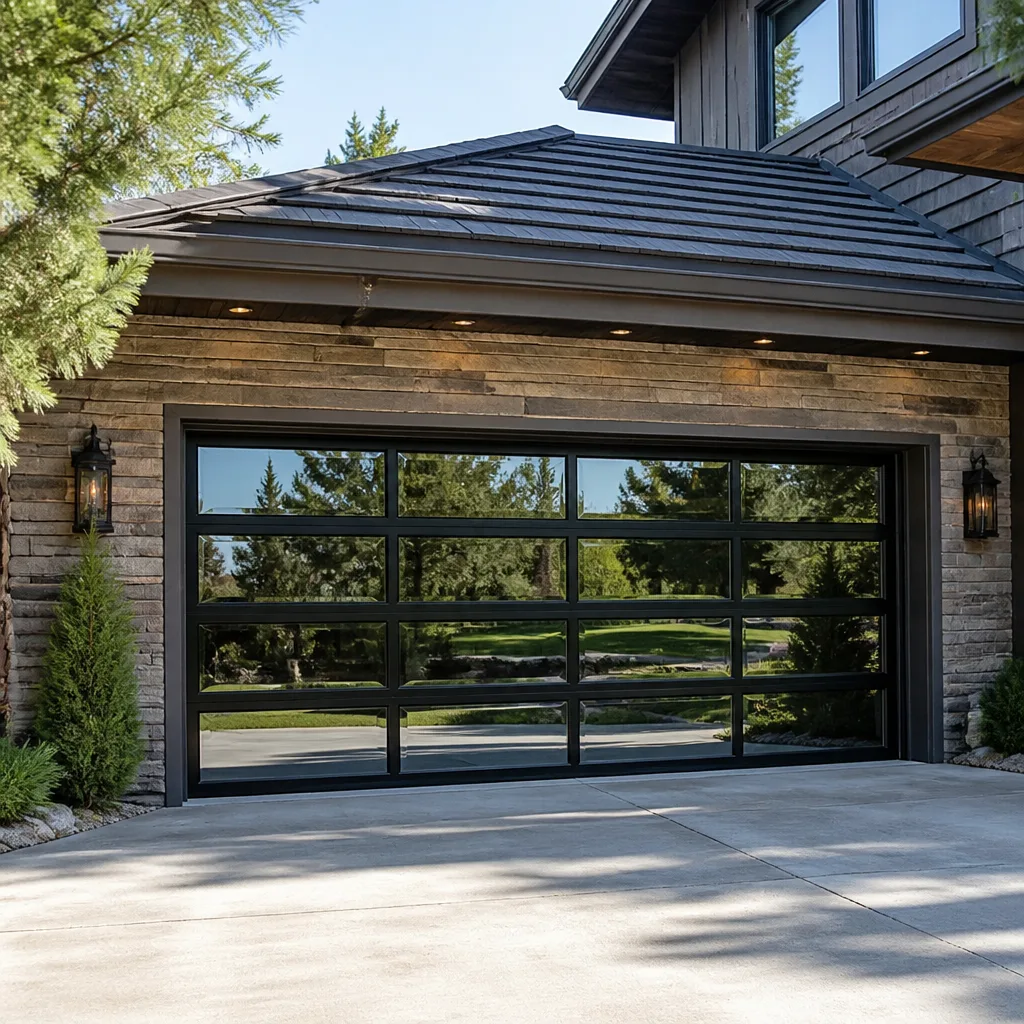 Full-view glass
 LiftMaster openers
 Chamberlain openers
Full 25-point door and opener safety check with every visit - springs, cables, rollers, tracks, and your LiftMaster or Chamberlain opener included
You get a price before we start. It does not change when the truck arrives.
Get your free estimateGarage Door Repair Maintenance Schedule: What to Do and When
Most maintenance advice for garage doors is built around the calendar: lubricate in spring, inspect in fall, repeat. But a calendar tells you nothing about how hard your door actually works. A household where two working adults and two teenagers each leave and return once a day cycles the door at least six times daily. A retired couple in a quiet Buena Park neighborhood might cycle it twice. Same door, same hardware, wildly different wear rates. The household cycling six times a day puts three times the stress on springs, rollers, and cables in the same calendar year. What follows is a maintenance schedule built around how you actually use your garage, then mapped to a Buena Park seasonal calendar so you know exactly what to do and when. We’ll cover usage tiers, component-specific inspection intervals, the right lubricants, what a spring tension check actually measures, and how to keep a maintenance log that lets a technician spot wear trends instead of starting blind.
Quick Answer
A garage door maintenance schedule should be built around daily open/close cycles, not just calendar months. Low-use doors (1-2 cycles daily) need a full inspection every 6 months, medium-use doors (3-5 cycles) every 4 months, and high-use doors (6 or more cycles) every 3 months. The core monthly tasks are visual checks of cables, springs, rollers, and safety sensors, plus track cleaning. Twice a year you should lubricate moving parts with the correct lubricants, test the auto-reverse safety feature, and check balance. Once a year, have a technician test torsion spring tension and inspect the opener’s drive system. Skip the generic advice that says lubricate twice a year and you’ll have covered more ground in ten minutes than most homeowners do in a decade.
Styles & brands we work with
- Raised-panel steel
- Carriage house
- Modern flush
- Full-view glass
- LiftMaster openers
- Chamberlain openers
Table of Contents
- Usage Tiers: How Many Cycles Does Your Door Actually Run?
- Monthly Checks: 10 Minutes That Prevent Most Breakdowns
- Lubrication: What to Use, What to Avoid, and Why WD-40 Is the Wrong Tool
- Annual Spring Tension Check: What a Technician Actually Measures
- Buena Park Seasonal Tasks: Heat, Rain, and What They Do to Your Door
- The Maintenance Log: Recording Wear Trends So Repairs Stop Being Surprises
- Opener Maintenance: The Motorized Half of the System
- Common Mistakes to Avoid
Usage Tiers: How Many Cycles Does Your Door Actually Run?
A garage door cycle is one full open and one full close. Most residential doors are rated for about 10,000 cycles, which sounds like a lot until you do the math. At six cycles a day, that rating is exhausted in about four and a half years. At two cycles a day, the same door’s rated life stretches past thirteen years. Same door, same hardware, a decade of difference. This is why any maintenance schedule that treats every household identically is not really a schedule at all.
The practical way to think about maintenance is in three tiers defined by how you use the garage:
- Low use (1-2 cycles daily): Typical of households where the garage is used mainly for parking cars that are driven once daily, or where the garage is storage and the door opens occasionally. Full inspection every 6 months; lubrication every 6 months; professional spring check annually.
- Medium use (3-5 cycles daily): The most common pattern in Buena Park: two drivers, some school runs, maybe a homeowner who works from home and runs errands midday. Full inspection every 4 months; lubrication every 4 months; professional spring check every 6 months.
- High use (6+ cycles daily): Households with teenagers, multiple drivers, a home business, or a garage used as the primary entrance and exit. Full inspection every 3 months; lubrication every 3 months; professional spring check every 6 months.
Here’s the part most maintenance guides miss: these intervals are not arbitrary. They track how fast specific components accumulate measurable wear. A torsion spring’s cycle rating is the clearest example. A standard spring rated for 10,000 cycles will fatigue at different real-world speeds depending on your tier. Rollers wear by rotation, cables by flex, hinges by pivot, and the opener’s drive gear by engagement time. Every one of those has a cycle or runtime threshold, and every one advances at the speed of your usage.
So before you adopt any schedule, figure out your tier. Count cycles for one typical week, averaging weekdays and weekends. Most people are surprised by the number. That number, not the calendar, is what should drive how often you inspect, lubricate, and call a professional.
Monthly Checks: 10 Minutes That Prevent Most Breakdowns
Monthly inspections do not require tools or mechanical knowledge, and they catch the majority of premature failures before they strand you outside your own garage. The process takes about ten minutes.
- Watch the door open and close once, completely. It should move smoothly and quietly. Jerky motion, hesitation, or a change in the usual sound is your earliest indicator of a developing problem.
- Check the cables on both sides. Look for fraying, especially near the bottom bracket where cables attach to the door. Cable wear is most visible there because the cable flexes at that point on every cycle.
- Inspect the springs visually. Torsion springs run across the top of the door, usually mounted on a shaft above the opening. Extension springs run along the horizontal tracks on either side. You are looking for gaps in the coil, rust, or a broken spring, which will show as a visible separation or two-piece spring on one side. Do not touch or adjust the springs. Your inspection is visual only.
- Check the rollers. Nylon rollers should roll; steel rollers should not show flat spots or excessive play. On the bottom fixtures, look for cracks in the nylon wheels.
- Look at the track alignment. The vertical and horizontal tracks should be parallel and free of dents. Run a finger along the inside edge (when the door is closed, with the opener disengaged) to check for obstructions.
- Test the safety sensors. With the door open, wave your foot in front of the sensor beam while the door closes. It should reverse immediately. The sensors are the small photo eyes mounted a few inches off the floor on both sides of the opening.
- Listen to the opener. A properly functioning opener makes a consistent hum. Grinding, rattling, or a change in pitch suggests wear in the drive gear, the chain or belt, or the motor itself. That is one of our most common calls at garage door opener repair.
Any one of these observations on its own is usually minor. But when you do monthly checks consistently and record what you see, you create a baseline. A cable that looks fine one month and shows two broken strands the next is a specific problem with a specific fix. A cable that has been slowly accumulating broken strands over four months tells a different story: the cable is fatiguing and should be replaced on your schedule, not as an emergency call.
Lubrication: What to Use, What to Avoid, and Why WD-40 Is the Wrong Tool
The standard advice says lubricate your garage door twice a year. That is too vague on two counts: it ignores the usage tiers described above, and it fails to distinguish between lubricants, as if one can of anything works for every component. In our experience as a Hampton Garage Door Service technician can tell you, the wrong lubricant on the wrong part actively shortens the life of that part.
WD-40 is the most common mistake. WD-40 is a penetrating solvent and water displacement formula, not a lubricant. Spray it on a garage door roller and it will free up the bearing for a few days, then evaporate and leave the bearing dry and unprotected against dust and wear. Worse, on nylon rollers WD-40 can degrade the nylon material over time, causing the rollers to chip and crack. We have replaced rollers that were destroyed by years of the wrong product.
What you should use, component by component:
- Springs and hinges: Use a garage-door-specific lubricant or a white lithium grease spray. Spray the torsion spring lightly along its length, allowing the lubricant to penetrate between the coils. Hinges get one short spray at each pivot point.
- Rollers: Use the same garage-door lubricant, not WD-40. For metal rollers, one drop at the bearing on each side of the roller shaft. For nylon rollers, you are lubricating the bearing, not the wheel face. If the roller has no lubrication point, wipe the shaft with a rag rather than spraying. Do not spray the track, ever. The track only touches the roller at the point of contact, and any lubricant there invites slip and causes the door to bind.
- Opener chain or belt: A chain drive opener needs a light application of chain lubricant once a year. A belt drive opener needs no lubrication at all: the belt is a synthetic rubber compound designed to run dry. Lubricating it shortens its life.
- Weatherstripping: Rubber seals on the bottom of the door and around the frame do not need lubrication, but they benefit from a cleaning with mild soap and water to remove the Buena Park dust that builds up over a dry summer. Do not apply petroleum-based lubricants to rubber: they accelerate cracking.
As for timing, the usage tiers set the interval. Low-use doors get lubricated twice a year. Medium-use doors every four months. High-use doors every three months. In Buena Park, where the dry season runs long and the air carries little humidity to wash away dust, you should also wipe down the tracks and rollers during your lubrication session. Dust combined with excess lubricant forms a paste that accelerates roller wear.
Annual Spring Tension Check: What a Technician Actually Measures
A torsion spring tension check is not a vague look-over. A technician is measuring whether the spring’s stored energy still matches what the door needs to open and close correctly. When a spring is properly tensioned, a properly balanced door will hold position halfway open without drifting up or down, and will raise and lower with minimal effort from the opener.
What the technician does, step by step:
- Disengages the opener so the door is free to move manually.
- Raises the door to the halfway point and lets go. A balanced door stays put. A door that drifts downward means the spring is losing tension or the spring has taken a set from years of flexing. A door that rises means the spring was over-wound at some point.
- Checks both springs or both sides of the system for matching tension. On a two-spring system, one spring can fatigue faster than the other. The result is a door that lifts unevenly, a symptom visible in a door that seems to ride higher on one side.
- Visually inspects for coil gap changes. Torsion springs wear by twisting and untwisting. A spring near the end of its cycle life often shows slight gaps between coils at rest.
- Measures the door’s full travel and notes whether the opener is working harder than it should. When a spring weakens, the opener’s motor carries more of the load. That shows up as a motor that runs hotter or a drive that sounds strained.
The crucial safety point: homeowners can and should do the balance check themselves, by pulling the release handle and raising the door halfway. But you should never adjust spring tension yourself. Torsion springs are wound under extreme tension. A spring that lets go during adjustment can cause severe injury. Extension springs stretch under load and can also release catastrophically. The observation is yours; the correction is ours.
In the Buena Park market, spring tension checks are cheap insurance against the most common repair we see: a broken spring that fails at full extension and strands the car inside. A broken spring rarely gives notice. But a weakening spring usually does, and the half-open drift test catches it months before failure. If you notice your door drifting or feeling heavier than it used to, call before the spring goes. The call is free: (877) 265-9147.
Buena Park Seasonal Tasks: Heat, Rain, and What They Do to Your Door
The seasonal calendar matters for a few tasks that the usage-tier schedule does not fully cover. Buena Park’s climate is mild by national standards: no freeze-thaw to crack seals, no snow load on the door. But the heat of late summer and the occasional heavy rain of winter put specific stresses on specific parts.
Post-summer heat check (September-October):
- Weatherstripping. Months of sun exposure and the accumulated heat of a garage interior that can exceed 100 degrees on the hottest days will dry and crack bottom seals and side seals. Run your hand along the bottom seal from inside the garage on a bright day and look for light showing underneath. A cracked seal is a simple replacement, usually fifteen minutes of work, and it keeps rodents, dust, and hot air out.
- Opener capacitor. Garage door opener motors use a capacitor to provide the starting torque to lift the door. Capacitors age faster in heat, and heat is exactly what a garage accumulates in a Buena Park summer. Opener repair is a named specialty for us, and heat-stressed capacitors are one of the most common opener problems we see in September and October. If your opener hums but does not move the door, or starts slowly, the capacitor is a likely suspect.
- Hinges and fasteners. Heat causes metal to expand and contract daily, which over time loosens bolts on hinges, track brackets, and the opener rail. Tighten any visible fasteners with a socket or wrench. Do not overtighten; snug is enough.
Post-rainy-season inspection (March-April):
- Track rust. Buena Park does not get the coastal salt air that accelerates corrosion, but winter rains still put moisture on exposed metal parts. Check the vertical tracks for rust spots where the rollers contact the track. Surface rust is cosmetic; pitting is not. Pitted tracks cause rough roller travel and shorter roller life.
- Bottom seal condition. Rain, plus dust, plus the door’s weight pressing the seal into the concrete, wears the rubber over one winter. If the seal looks flattened or has pulled away from its channel, it is no longer sealing.
- Hardware lubrication after rain. If your lubrication interval falls in early spring anyway, so much the better. The moisture of winter is gone, the dust of summer has not yet arrived, and lubricant applied now will not immediately capture abrasive grit.
What Buena Park homeowners rarely face: snow, ice dams, freeze-thaw cracking, and the damage that comes from doors frozen to the ground. Those problems drive maintenance calendars in other parts of the country and make up a large share of the generic advice you’ll read online. You can safely ignore all of it. Your maintenance energy is better spent on heat and dust, the two environmental factors that actually shorten component life here.
Homes across Buena Park vary from newer tract developments with standard two-car doors to older detached garages with heavier wooden doors. The material and age of your door changes a few maintenance details: wooden doors need periodic repainting or resealing along the bottom edge (where moisture wicks upward), and older doors may have roller fixtures designed for stem rollers that wear differently than the newer nylon-bearing rollers. If you are unsure what you have, a technician can tell you in one visit.
The Maintenance Log: Recording Wear Trends So Repairs Stop Being Surprises
Most homeowners do maintenance reactively: something breaks, they fix it, they forget it. The result is that every repair call starts from zero, with no history of the door’s condition. A maintenance log changes that. It is simply a written record of what you observed, when you observed it, and what you did about it. The value compounds because it lets you and any technician see trends.
What to record at each session:
- Date and usage tier at that time. Your tier may change: a teenager starts driving, a household member stops commuting, a car is retired. If the tier changes, the maintenance interval changes too.
- Observations from the monthly check. Cable fraying, spring coil gaps, roller condition, track debris. Not paragraphs: a few words each. “Cable left side: 2 broken strands near bottom bracket.” “Spring gap: none.”
- What you lubricated and when. Product used, components covered.
- Balance test result. The half-open drift test. “Held position.” “Drifted down 2 inches in 30 seconds.” “Drifted up slightly.” Small changes over time are meaningful.
- Safety sensor test result. “Reversed immediately.” Over months, a sensor that responds more slowly, or works intermittently, is a trend.
- Any noise change. “Grinding on the left side at the midpoint of travel.” “Squeak from the right roller.” Noise locations are diagnostic.
When a technician from garage door repair sees three months of log entries showing a progressively worsening balance test, the diagnosis moves faster and the fix is smaller. Without a log, the same technician sees a door that is drifting downward today and has to guess whether the spring weakened over a year of neglect or suddenly last week. The difference is often the difference between a spring replacement and a spring replacement plus a cable replacement plus an opener that burned out trying to move a door that was fighting it for months.
A maintenance log does not have to be elaborate. A notebook in the garage, a notes app on your phone, a printed sheet taped to the wall. What matters is continuity. Every garage door opener repair and every spring replacement generates notes, and the notes make the next visit faster.
Opener Maintenance: The Motorized Half of the System
Maintenance guides tend to treat the opener as an afterthought, a box on the ceiling that either works or doesn’t. It deserves as much attention as the door itself, for two reasons. First, opener failures are among the most common repair calls, and many are preventable with basic attention. Second, a poorly maintained opener accelerates wear on the door, because every time the opener strains, the door’s springs and cables work harder.
What an opener needs:
- Drive system inspection every 6 months. Chain drives need proper tension and light lubrication: a sagging chain or a dry chain strains the motor. Belt drives need no lubrication but benefit from a visual check for cracking or fraying on the belt edges. Screw drives, found on older Genie units, need a check that the screw remains properly lubricated with the manufacturer’s specific grease. We work on Genie, Clopay, Amarr, Wayne Dalton, LiftMaster, Chamberlain, Craftsman, and Raynor systems every day. The drive system is where the brand differences actually matter for maintenance.
- Force setting verification. Every opener has an adjustment that controls how much force the motor applies before reversing. A properly set opener should reverse when it encounters a 2×4 laid flat on the ground. Test this annually. An opener with the force set too high is dangerous and hard on the door; too low, and the door will not close consistently.
- Sensor alignment. The photo eyes at the bottom of the door opening need to be aligned and clean. Dust, spider webs, and the vibration of the door passing over time all knock sensors out of alignment. If your door stops and reverses for no visible reason, or refuses to close, check the small alignment lights on the sensors. A steady green light on each side means aligned. This is the first fix we make on many opener calls.
- Capacitor condition. As described above, heat is the enemy of the opener’s starting capacitor. If your opener hums but does not move the door first thing in the morning, or after a hot afternoon, the capacitor is likely failing. We see this pattern regularly in Buena Park garages after summer heat.
- Smart opener firmware and batteries. App-connected openers from LiftMaster and Chamberlain receive firmware updates that fix connectivity and security issues. Check the app quarterly. Remote and keypad batteries should be replaced annually: the common complaint of an opener that works “sometimes” often traces to a dying remote battery.
One final point on openers: the opener is not designed to lift the door. The springs are. The opener is designed to move a balanced door. If your door is out of balance and the opener strains, the motor and drive system are taking the punishment the spring should absorb. The balance check described earlier is as important for opener longevity as for spring longevity. If your opener has failed and the door itself is heavy or drifting, both problems need attention, and fixing the opener alone will just fail again.
Common Mistakes to Avoid
- Using WD-40 on rollers, hinges, or springs. WD-40 is a solvent and water displacer, not a lubricant. It dries out quickly and leaves moving parts unprotected. On nylon rollers it can damage the material. Use a garage-door lubricant instead.
- Lubricating the track. The track does not need lubrication, and lubricant there collects dust and creates a grinding paste. Keep the track clean, not slick. A door that binds on the track usually has another problem: misalignment, a bent track, or a broken roller.
- Adjusting spring tension yourself. Torsion springs are under extreme tension and extension springs stretch under load. Both can cause severe injury if mishandled. Observe the door’s balance, record it in your log, and let a trained technician make the correction.
- Following a calendar schedule and ignoring your usage. A high-cycle household needs more frequent attention than a low-cycle one. Count your cycles, identify your tier, and set intervals accordingly. The calendar is secondary.
- Ignoring a slowly developing balance problem. A door that drifts downward a little more each month is telling you the spring is weakening. If you wait until the spring breaks, you have a bigger repair and you may be stranded with the car inside the garage. The drift test costs nothing and takes thirty seconds.
- Treating the opener and the door as separate issues. When one is failing, it stresses the other. A strained opener wears out faster; a weak spring makes the opener work harder. Maintenance of one is maintenance of both.
- Not recording observations. Without a log, every problem is new and every diagnosis starts from scratch. With a log, a technician sees the trend and fixes the right part the first time. This saves you money and time.
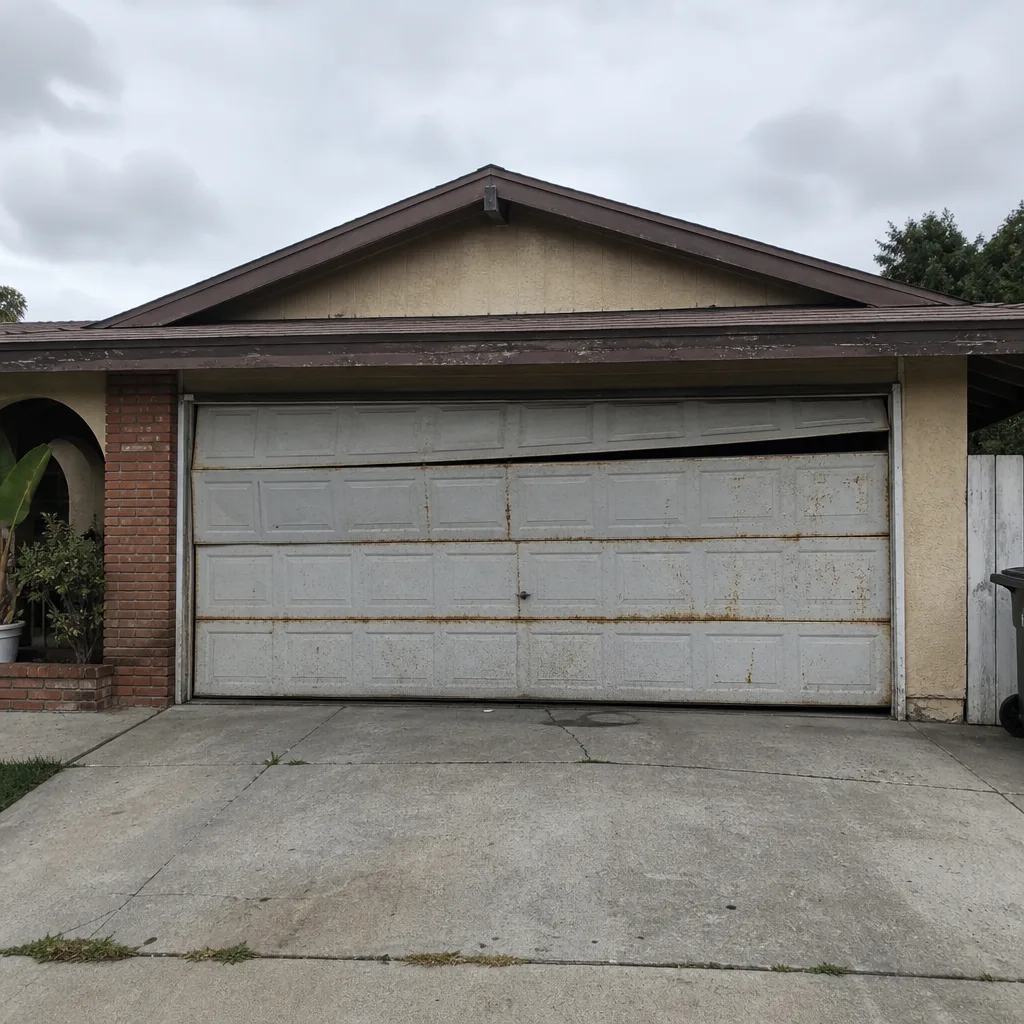
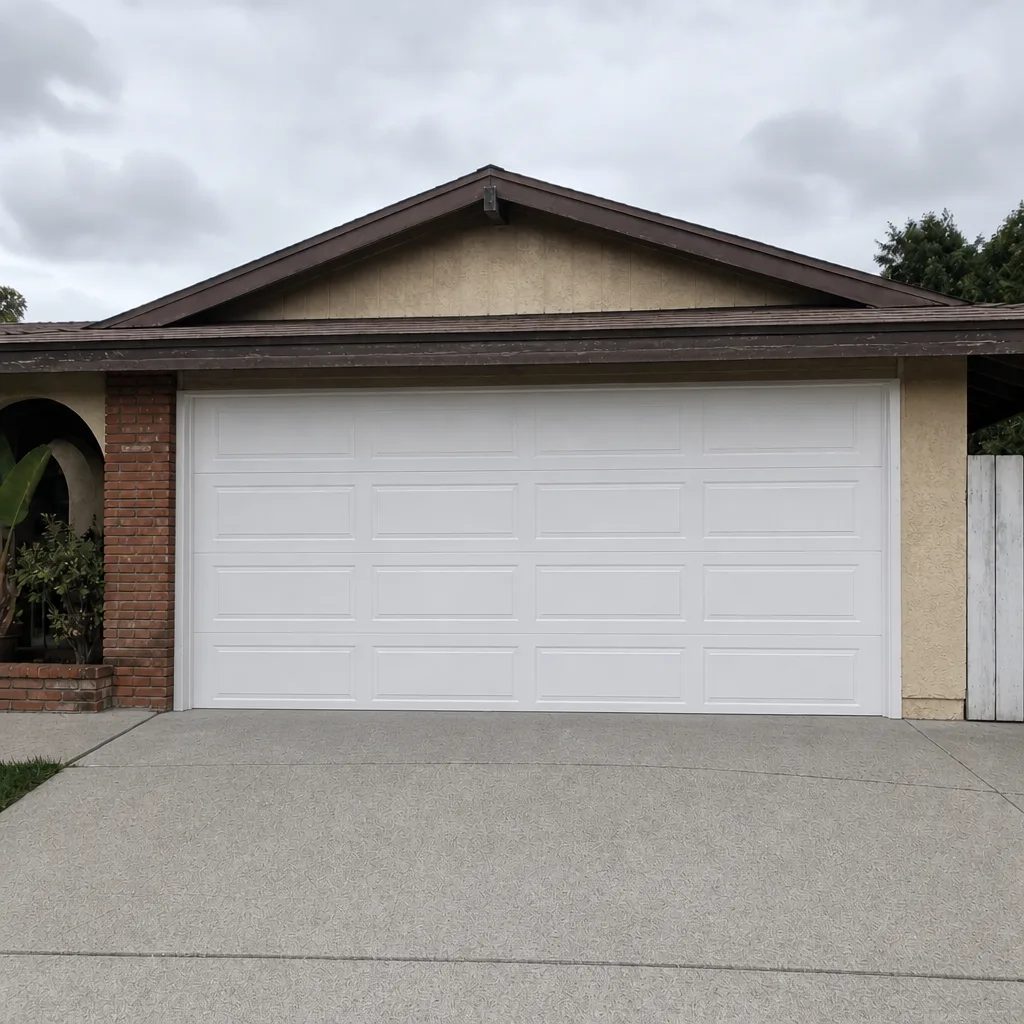
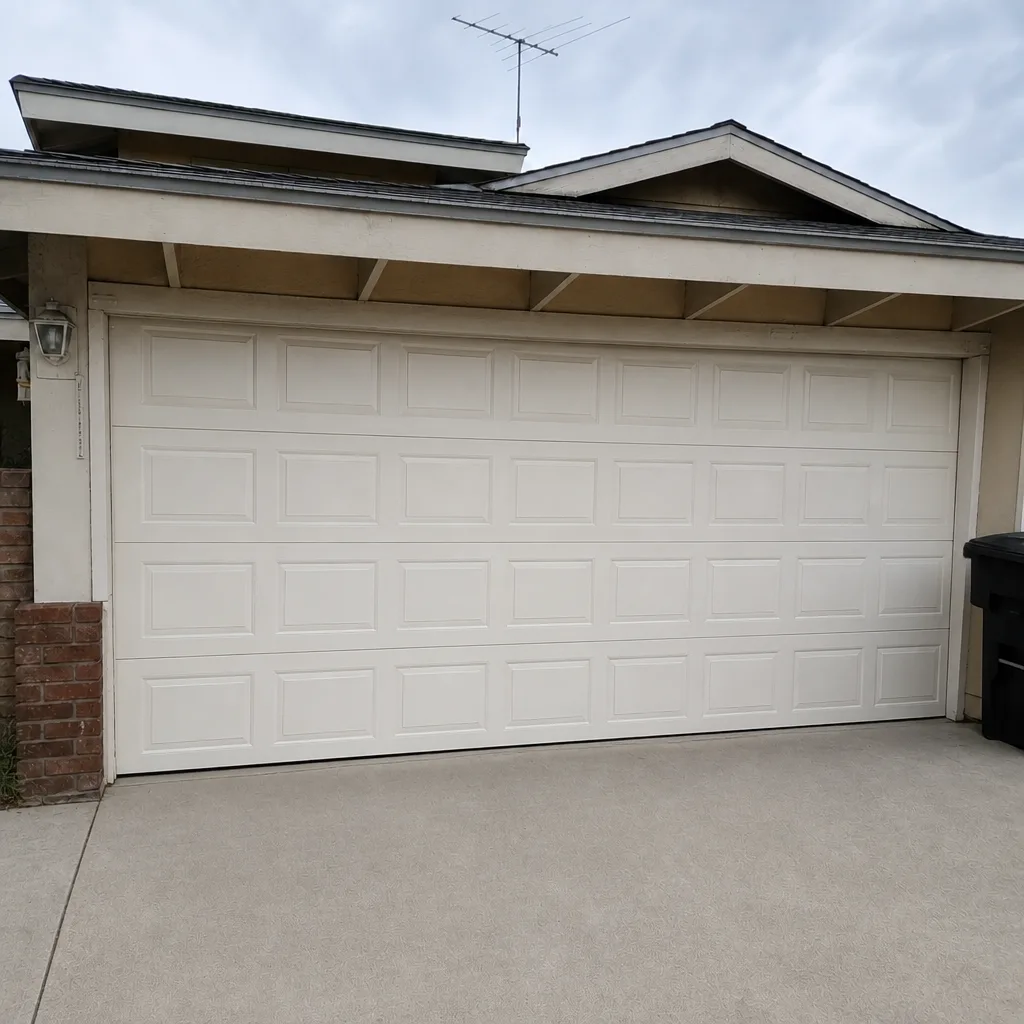
See the difference
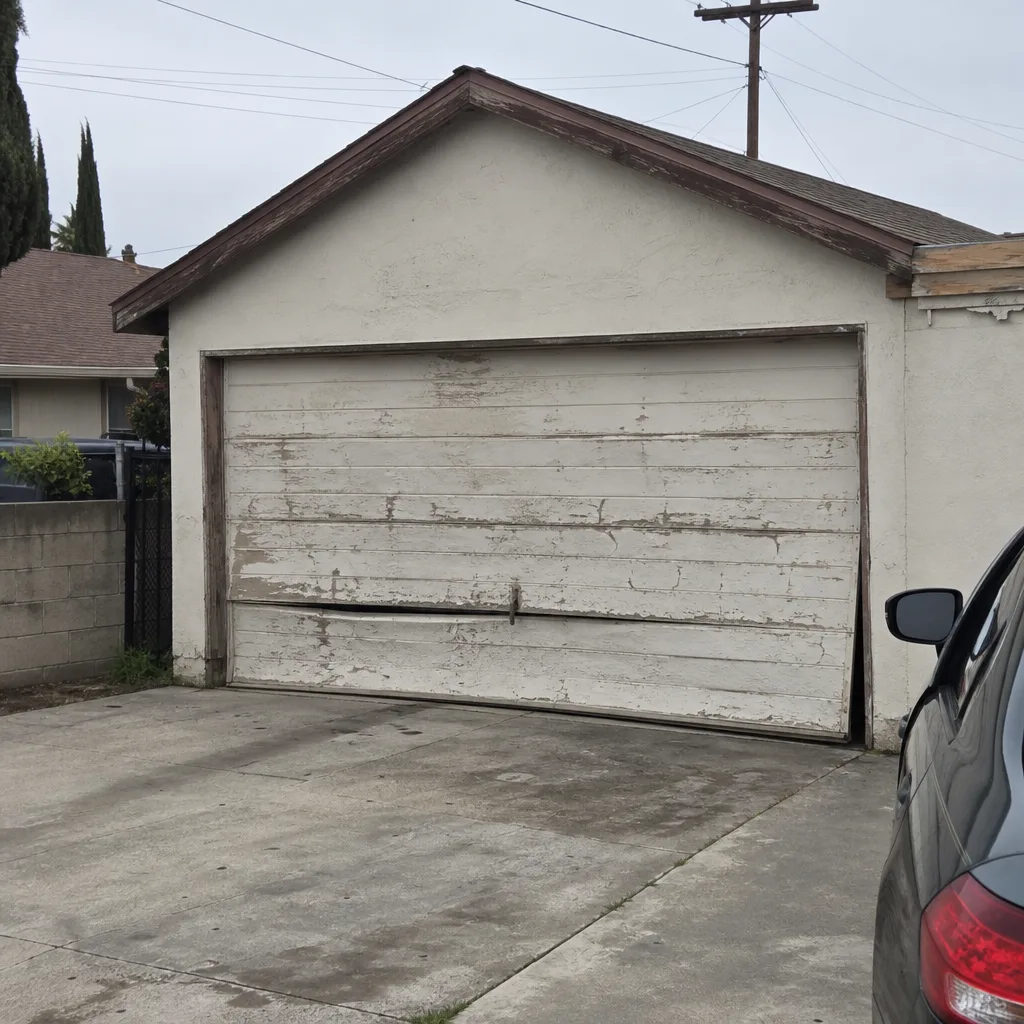 Before
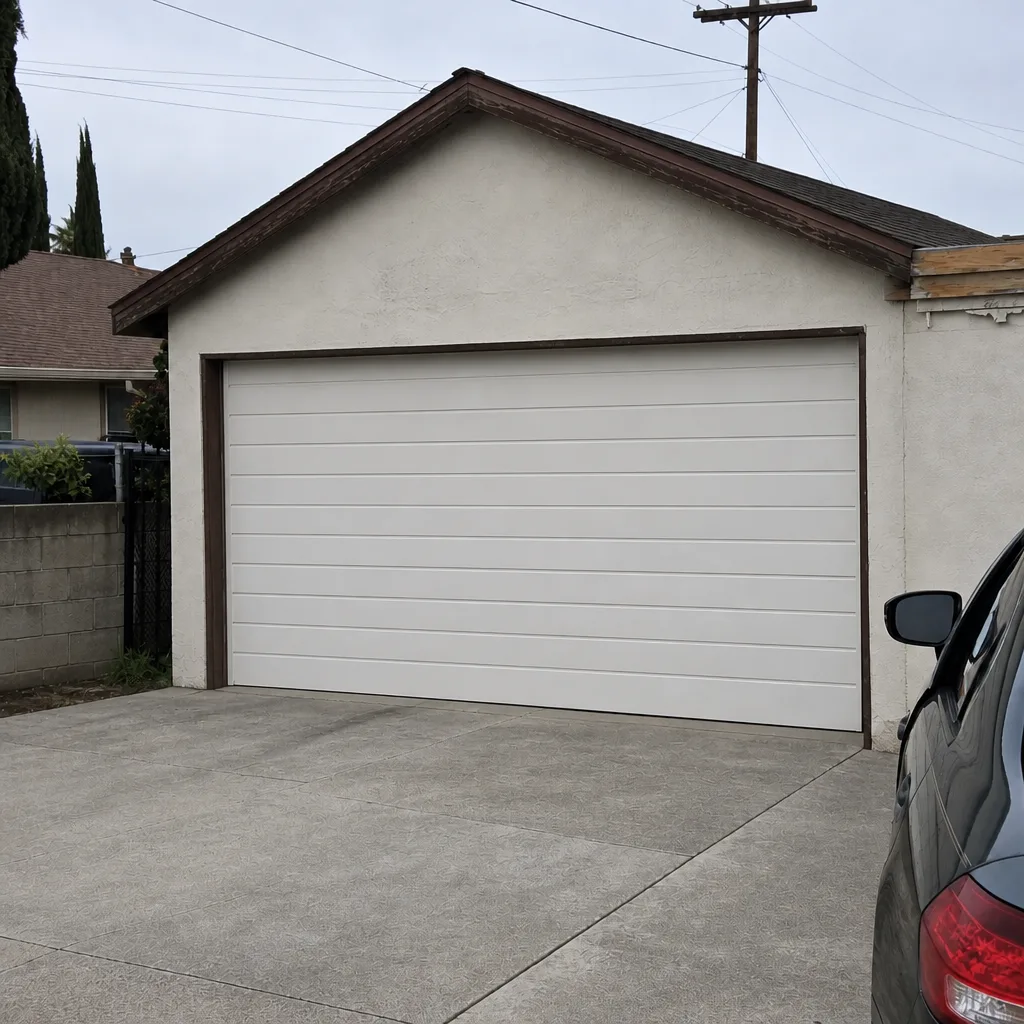 After
 Before
 After
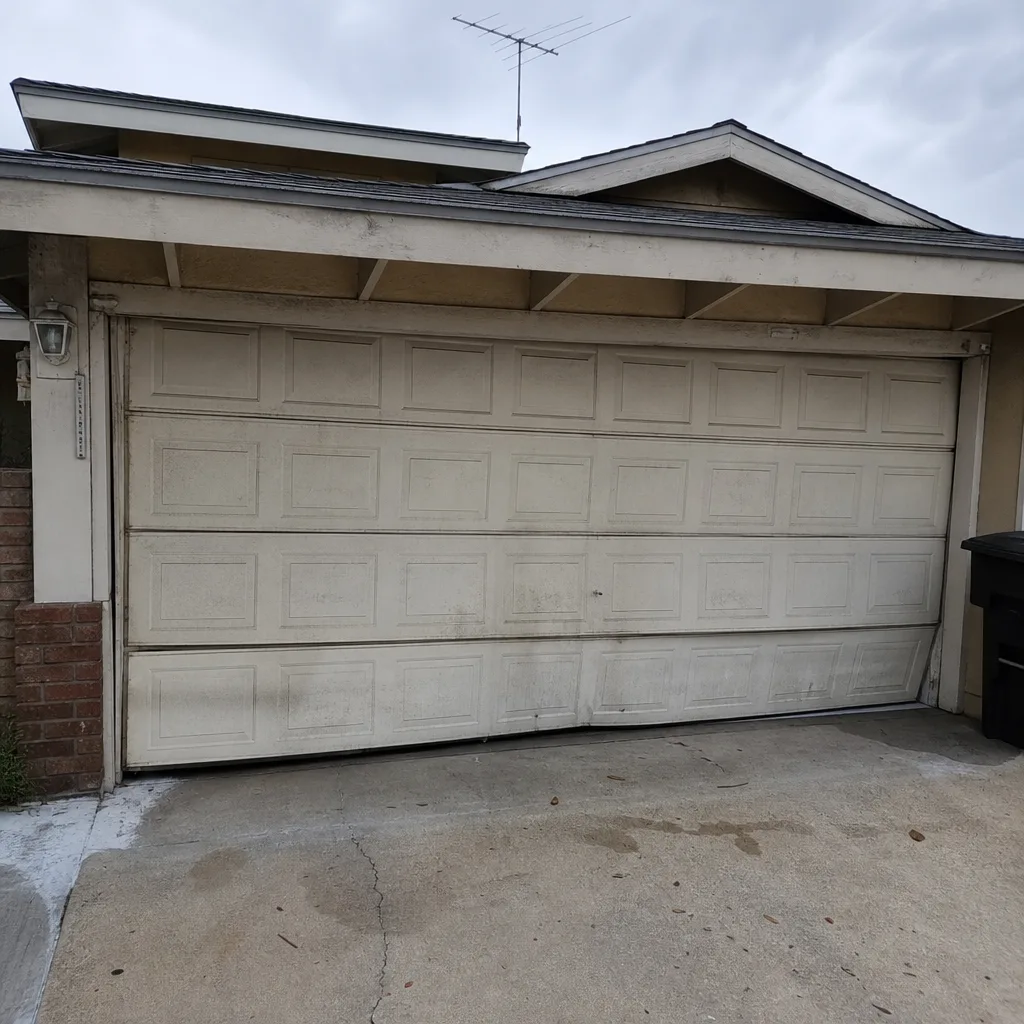 Before
 After
When to Call a Professional
Some maintenance tasks are safely and reasonably do-it-yourself: monthly visual checks, track cleaning, lubrication, sensor testing, the balance drift test. Others require a professional, either for safety or because the task cannot be done correctly without the right tools and training.
Call a technician when you see a broken or visibly separating spring, any significant cable fraying, a door that has come off its track, a roller that has broken, or any issue involving the torsion spring assembly. Do not attempt to re-seat a door on its track yourself: the door is heavy and the springs remain under tension. Opener problems involving the motor, capacitor, drive system, or any part of the electrical circuit are also professional territory. If your opener hums, sparks, or smells of burning, unplug it and call.
Hampton Garage Door Service offers free estimates to Buena Park homeowners. We carry the parts for the brands we service, including Genie, Clopay, and Wayne Dalton, so repairs don’t wait on shipping. Call (877) 265-9147. We answer 24/7. Fast dispatch from 7am to 7pm, Sunday through Friday.
Frequently Asked Questions
It depends on your usage tier. Low-use doors (1-2 cycles daily) need lubrication every 6 months, medium-use doors (3-5 cycles) every 4 months, and high-use doors (6+ cycles) every 3 months. The dry, dusty Buena Park climate makes regular track and roller cleaning part of the same session. Use a garage-door-specific lubricant, not WD-40. For an exact recommendation based on your door and usage, call (877) 265-9147.
The clearest sign is a door that drifts downward when released halfway open, showing the spring is losing tension. Other signs include visible coil gaps in torsion springs, fraying cables, a door that feels heavy to lift manually, or an opener that strains. If you see a visible break in the spring, do not use the door. Call (877) 265-9147 for a free estimate from a technician who can assess the spring safely.
Monthly visual checks, track cleaning, lubrication, sensor testing, and the balance drift test are safe for most homeowners. Spring tension adjustment, cable replacement, track re-seating, and opener motor or electrical work should be left to a professional. The line is safety: if the task involves stored spring energy or high-voltage components, call a technician.
Standard springs are rated for about 10,000 cycles, which translates to a real-world lifespan that depends entirely on your daily usage. At two cycles a day, that is roughly 13 years. At six cycles a day, roughly 4.5 years. The rate of cycling matters more than the number of years. An annual balance test and a maintenance log will tell you when your spring is nearing the end of its useful life before it breaks.
Intermittent operation usually traces to one of three causes: a failing remote battery, misaligned or dirty safety sensors, or a heat-stressed capacitor. Replace remote and keypad batteries annually, clean and align the sensors, and test the opener in the morning versus late afternoon. If the problem persists, the capacitor or another opener component may be failing. Garage door opener repair is one of our most common calls, and we can diagnose it quickly. Call (877) 265-9147.
The main weather factors here are summer heat and winter rain. Heat stresses the opener’s capacitor and dries out weatherstripping. Rain, followed by dry weather, can cause surface rust on tracks and wear on the bottom seal. Buena Park does not get the freeze-thaw cycles or snow load that dominate maintenance calendars elsewhere, and hail is uncommon here. Focus your seasonal attention on post-summer heat checks and post-rain hardware inspection.
The Bottom Line
A garage door maintenance schedule built around usage tiers beats one built around calendar months every time. Count your cycles, identify your tier, and set inspection and lubrication intervals that match your actual wear rate. Do the monthly checks, use the right lubricant on the right part, never touch spring tension yourself, and keep a written log of what you observe. Map the Buena Park seasonal tasks, the post-summer heat check and the post-rain inspection, onto your tier schedule. Most garage door failures give warning signs for weeks or months before they happen. A consistent maintenance routine is how you see those signs. Call (877) 265-9147 for a free estimate on any repair you are not comfortable doing yourself. We answer 24/7. Fast dispatch from 7am to 7pm, Sunday through Friday.
Written by the team at Hampton Garage Door Service, serving Buena Park since 2015.