
Last updated November 4, 2026
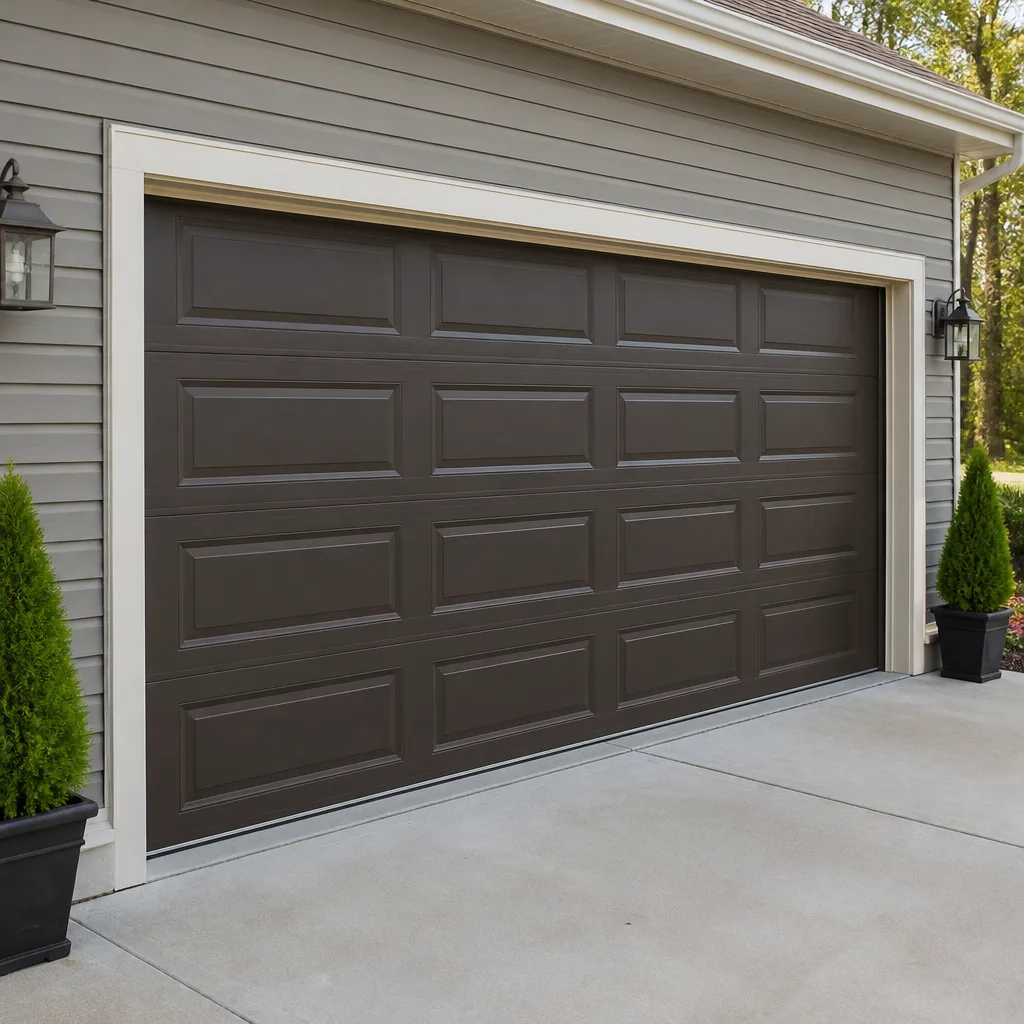 Raised-panel steel
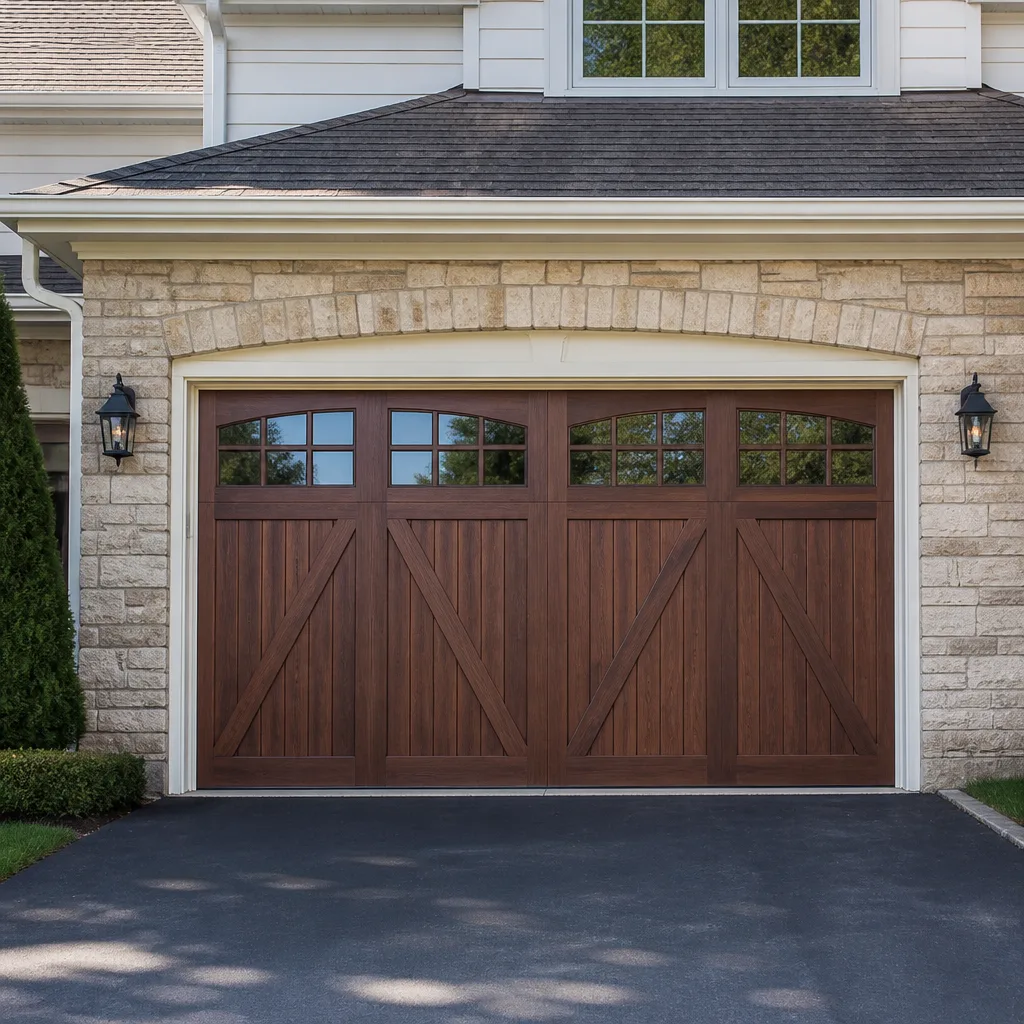 Carriage house
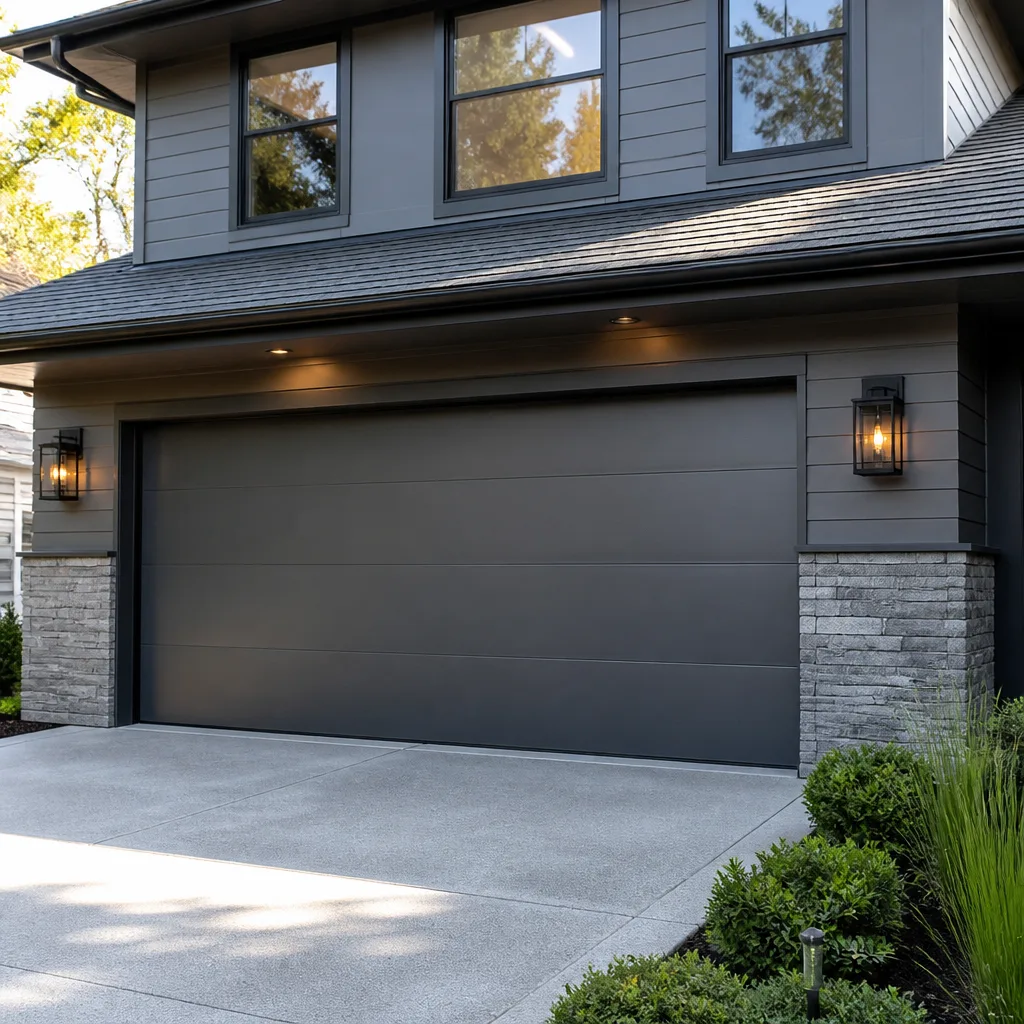 Modern flush
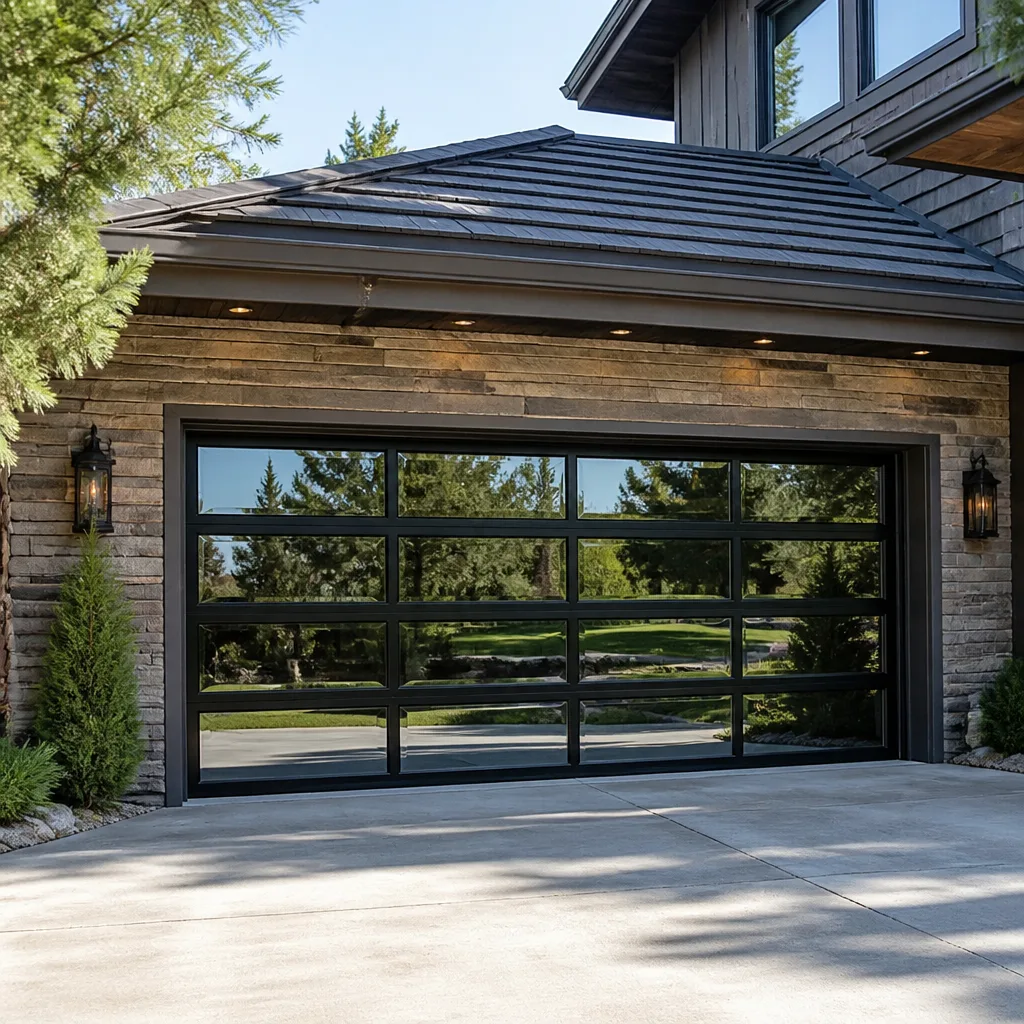 Full-view glass
 LiftMaster openers
 Chamberlain openers
Full 25-point door and opener safety check with every visit - springs, cables, rollers, tracks, and your LiftMaster or Chamberlain opener included
You get a price before we start. It does not change when the truck arrives.
Get your free estimateGarage Door Repair Troubleshooting in Buena Park: Common Problems and How to Fix Them
A garage door that reverses before closing all the way and a door that won’t move at all look like different problems, but both are commonly caused by the same misaligned safety sensor. That’s a fix most Buena Park homeowners overlook for months while they replace remotes, reprogram openers, and assume the worst about their motor. This guide organizes troubleshooting by root cause, not just symptom, so you stop chasing the wrong repair. You’ll learn which problems are safe to handle yourself, which ones need a specialist, and how Buena Park’s specific climate makes certain failures more likely here than in other parts of Orange County.
Quick Answer
Most garage door problems in Buena Park trace back to one of four root causes: mechanical wear (springs, cables, rollers), electrical faults (sensors, opener logic boards, wiring), structural issues (track alignment, panel damage), or operator error (remotes, wall buttons, settings). Start by identifying which category your symptom falls into. Alignment and setting issues are often safe DIY fixes. Anything involving torsion springs or cables under tension belongs in a technician’s hands, and we’ll explain exactly why below.
Styles & brands we work with
- Raised-panel steel
- Carriage house
- Modern flush
- Full-view glass
- LiftMaster openers
- Chamberlain openers
Table of Contents
- The Four Root Causes Behind Most Buena Park Garage Door Failures
- Matching Symptoms to Root Causes: A Troubleshooting Table
- Safety Sensor Alignment: The Step-by-Step Check Most Guides Skip
- “The Door Hums But Doesn’t Move”: Diagnosis by Drive Type
- How Buena Park’s Climate Affects Springs, Cables, and Metal Components
- DIY or Call a Pro: Where to Draw the Line
- Common Mistakes to Avoid
- When to Call a Professional
- Frequently Asked Questions
The Four Root Causes Behind Most Buena Park Garage Door Failures
When a garage door misbehaves, the symptom you see is rarely the whole story. A door that won’t close might be a sensor problem, a limit switch problem, or a track problem. The fastest way to a reliable fix is to work backward from the symptom to the underlying category. Here are the four categories that cover nearly every garage door issue we see in Buena Park.
Mechanical: Springs, Cables, and Rollers
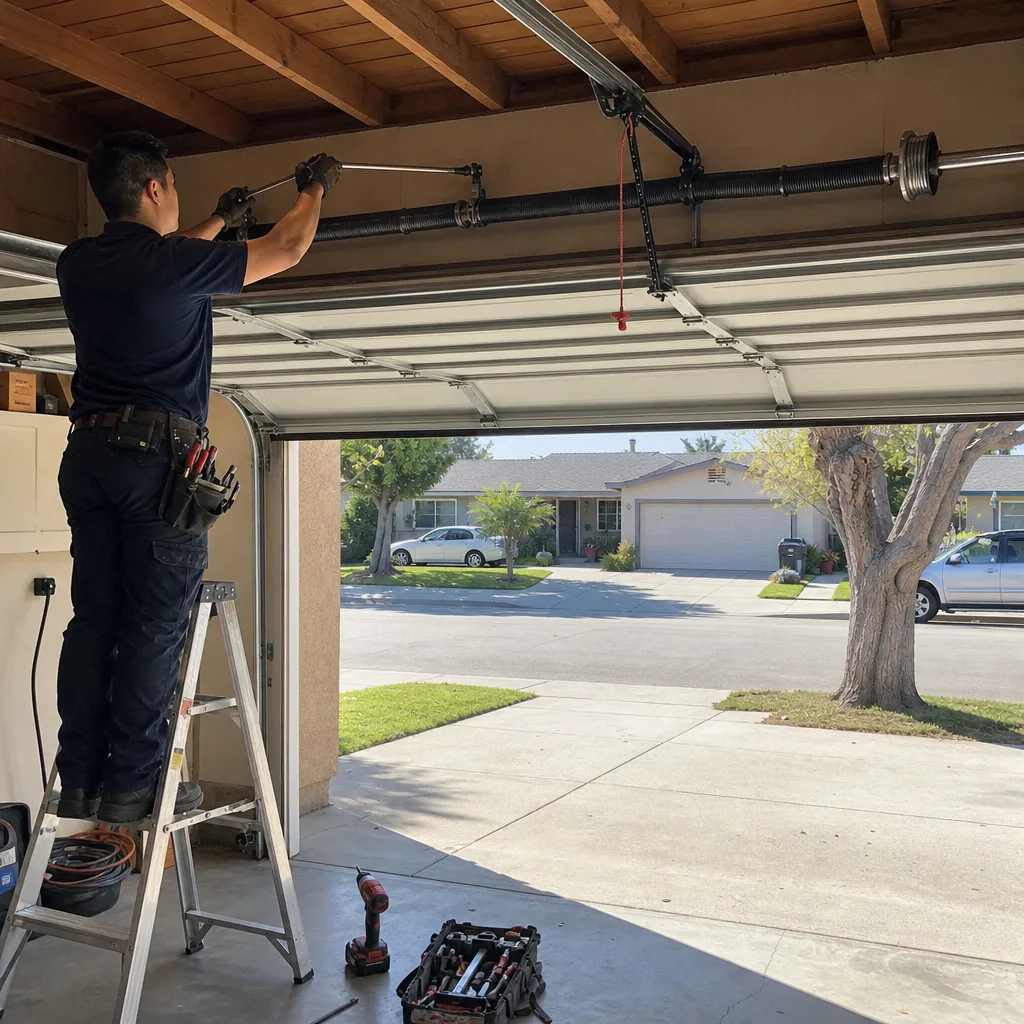
Your garage door is your home’s largest moving part. Most doors weigh between 130 and 400 pounds, and the torsion springs above the opening do the actual lifting. Over years of cycling, those springs lose tension and eventually break. Rollers wear down, cables fray, and hinges loosen. These are wear-and-tear problems, not electronic ones. A broken spring is the most common mechanical failure we see across Buena Park, and it usually announces itself as a loud snap from the garage followed by a door that won’t lift more than a few inches.
Roller and hinge problems develop more gradually. You might hear grinding or squeaking for weeks before anything stops working. Cables rarely fail on their own; they usually follow a spring or roller issue that shifts the door’s weight distribution. When a cable does snap, it’s a serious condition because the door can come down hard and fast.
Electrical: Sensors, Openers, and Wiring
Electrical faults are the second major category. The photo-eye sensors mounted near the floor on both sides of the door are a common culprit. They tell the opener whether the path is clear. When misaligned, dirty, or blocked, they cause the door to reverse before closing or refuse to close at all. Opener logic boards, wall buttons, and remote transmitters also fall into this category. In our experience, sensor issues account for a large share of “broken opener” calls that turn out to be simple alignment fixes.
Wiring problems are less common but harder for a homeowner to diagnose. A pinched or frayed wire can cause intermittent failures that seem random. If your door works sometimes and not others, and the remote and wall button both act up, suspect wiring or a failing logic board rather than the motor itself.
Structural: Track Alignment and Panel Damage
Garage door tracks are supposed to stay perfectly parallel and plumb. A bump from a car, a shifted foundation, or loose mounting brackets can knock a track out of alignment. The door will bind partway up, make a grinding noise, or run unevenly. Panel damage from an impact can do the same thing, especially on older wooden doors that absorb moisture differently than steel or aluminum doors in Buena Park’s damp morning air.
Structural problems rarely fix themselves. They get worse as the door cycles, and a door that jumps its track is dangerous. If you see a visible gap between the rollers and track or notice the door leaning to one side, stop using it until a technician has a look.
Operator Error: Remotes, Settings, and Simple Oversights
Not every garage door problem is a mechanical or electrical failure. Sometimes the door is fine and the user is fighting a setting. A remote with a dead battery, a wall button that’s been locked out, a vacation mode that’s still enabled, or a door that’s been manually released from the opener can all look like serious problems when they’re not. These are the easiest fixes, but they’re also the easiest to overlook. Before you schedule a service call, run through the basics: new batteries, check the lock button, confirm the emergency release cord is reset.
Matching Symptoms to Root Causes: A Troubleshooting Table
The table below maps common symptoms to their most likely root causes. Use it as a starting point, not a final diagnosis. Some symptoms cross categories, and that’s where experience matters.
| Symptom | Most Likely Root Cause | First Thing to Check |
|---|---|---|
| Door reverses before fully closing | Electrical (sensors) | Photo-eye alignment and obstructions |
| Door won’t move at all, no sound | Electrical (power source) | Breaker, wall button lock, remote battery |
| Door hums but doesn’t move | Mechanical or opener drive | Spring condition, emergency release position |
| Loud snap, door won’t lift | Mechanical (broken spring) | Visual spring check from floor level |
| Grinding or squeaking during operation | Mechanical (rollers/hinges) | Roller wear, track lubrication needs |
| Door binds partway up | Structural (track) | Track alignment and bracket tightness |
| Door works sometimes, not others | Electrical (wiring/logic board) | Remote symptoms vs wall button symptoms |
Safety Sensor Alignment: The Step-by-Step Check Most Guides Skip
Safety sensors, also called photo-eyes, are the small units mounted on each side of the door track about six inches off the floor. They send an infrared beam across the opening. If anything breaks that beam while the door is closing, the opener reverses. It’s a federal safety requirement, and it prevents the door from closing on a child, a pet, or a car bumper. Alignment problems are one of the most common garage door repair calls in Buena Park, and many of them are fixable without a service visit.
How to Check Your Sensors
- Clear the area. Remove boxes, bikes, brooms, or anything else near the sensors. Even a cobweb can break the beam.
- Check the indicator lights. Most sensors have a small LED. A solid light typically means alignment is good. A blinking or off light usually means misalignment or a wiring issue. Genie and Chamberlain models use different light patterns, so check your manual if you’re unsure.
- Eye-level check. Kneel down and sight across the top of both sensors, like looking down a rifle barrel. They should point directly at each other.
- Adjust the bracket. Most brackets have a wing nut or screw. Loosen it slightly, reposition the sensor, and tighten it back down. A healthy beam tolerance is about half an inch side to side and a quarter inch vertically. Most guides skip this tolerance, but it matters: a sensor that’s close but not aligned can work intermittently and drive you crazy.
- Test the door. Close it with the wall button. If it reverses immediately, repeat the alignment. If it still fails, the sensor itself or the wiring may be bad.
Safety sensors are a low-voltage component, so checking alignment is safe for homeowners. If the wiring is damaged or the sensor is dead, that’s a different story. Garage door repair technicians can swap a sensor in minutes, but diagnosing a wiring fault inside the wall takes longer and should not be improvised.
“The Door Hums But Doesn’t Move”: Diagnosis by Drive Type
This is one of the most confusing symptoms a homeowner can face. The motor runs, the opener makes noise, but the door stays put. What’s happening depends heavily on the drive type of your opener, and knowing which type you have shifts the diagnosis significantly.
Belt-Drive Openers
Belt-drive units use a reinforced rubber belt to pull the carriage along a rail. When these hum but don’t move, the door is often manually released from the carriage by the emergency cord, or the belt has stripped. A stripped belt is rare but does happen after years of use. More commonly, a broken spring is the culprit. The opener is trying to lift a door that’s suddenly too heavy, and the belt slips or the opener strains in place.
LiftMaster and Chamberlain dominate the belt-drive market, and their openers often have diagnostic lights that flash a code when the motor strains against a load. If you see flashing lights on the opener body after a hum, count them and check the manual. The code usually points to spring tension or travel limits.
Screw-Drive Openers
Screw-drive openers use a threaded steel rod instead of a belt or chain. They hum loudly when the drive gear or the threaded rod strips. These units are less common than they were a decade ago, but they’re still around in older Buena Park homes. The diagnosis differs from belt-drive because a screw-drive opener can develop internal gear wear that affects performance even when the springs are fine. Genie and older Craftsman screw-drive models are the ones we see most often.
If your screw-drive opener hums and the rod is turning but the door doesn’t move, the drive coupling or the gear may be stripped. It’s a repairable part, but the work requires removing the opener from its mount, which is not a homeowner job.
Chain-Drive Openers
Chain-drive units are the workhorses of the opener world. They hum when the chain is slipping on a worn sprocket or when the chain itself has stretched past adjustment. Like belt-drive units, a broken spring will also cause the hum because the opener is suddenly overloaded. If the chain moves freely but the door doesn’t, check the emergency release. If the chain doesn’t move at all, the sprocket or motor coupler has likely failed.
Wayne Dalton and Raynor doors are often paired with chain-drive openers, and the compatibility matters. An opener that’s mismatched to a heavy door will hum and strain from day one, which is a good reason to get garage door opener repair input before replacing either component.
How Buena Park’s Climate Affects Springs, Cables, and Metal Components
Buena Park sits in a particular micro-climate zone, and it affects garage door hardware in ways homeowners don’t always expect. Summer days push into the 90s, and the marine layer rolls in most mornings from the coast. That combination of heat and periodic humidity puts stress on metal components, especially springs and cables exposed to the air in an uninsulated garage.
Steel torsion springs are rated in cycles, not years. A standard spring is designed for about 10,000 cycles, which translates to roughly 7 to 12 years of normal use in a climate like Buena Park’s. The expansion and contraction from temperature swings between cool mornings and hot afternoons causes microscopic fatigue in the metal. Over time, that fatigue accumulates and the spring snaps, usually at the worst possible moment. We see more spring failures in Buena Park’s older neighborhoods, where doors installed in the 1990s and early 2000s are reaching the end of their spring life all at once.
Humidity from the morning marine layer also accelerates surface rust on hinges, rollers, and cable ends, especially in garages with poor airflow. Rust doesn’t cause failures overnight, but it shortens the life of moving parts and makes doors noisier. A homeowner who keeps their garage organized and occasionally wipes down visible hardware can slow this down, but the spring under tension is the component that fails first regardless of care.
This is why Hampton Garage Door Service treats Buena Park spring replacements as a routine, predictable service rather than an emergency surprise. The signs are usually visible before the break: a gap in the spring coil, a door that feels heavier, or a slight lean when the door is halfway up.
DIY or Call a Pro: Where to Draw the Line
Some garage door fixes are genuinely safe to do yourself. Others are not, and the line between them is clearer than most YouTube videos would have you believe. Here’s where we draw it for Buena Park homeowners.
Safe for Most Homeowners
- Sensor alignment: Low voltage, no spring tension, minimal tools.
- Remote battery replacement: A two-minute fix with no risk.
- Track lubrication: Use a garage-door specific lubricant, not WD-40, on rollers and hinges. Avoid the spring.
- Obstruction clearing: Move boxes, bikes, or debris out of the door’s travel path.
- Emergency release reset: Pulling the red cord disengages the door from the opener. Pushing the lever back re-engages it. Follow your manual.
Never a DIY Job
Torsion springs are the absolute non-negotiable. They hold hundreds of pounds of tension even when the door is closed and stationary. A spring that snaps during a DIY repair releases that energy all at once, and the bar it’s mounted on becomes a projectile. The injuries are catastrophic. The fact that you can find a tutorial online does not make it safe. There is no homeowner-level version of this repair, regardless of confidence, tool collection, or how many times you’ve watched someone do it on video.
Cable replacement is the same story. Cables run alongside the springs and carry the same tension. If a cable is frayed or broken, the remaining tension is unpredictable. Leave it alone and call a technician.
Track repairs under load are also dangerous. A track that’s been knocked loose can release the door’s weight sideways. If the door is off its track, don’t try to muscle it back into position. The forces involved are not within a homeowner’s safe control.
Common Mistakes to Avoid
- Ignoring a reversing door for weeks. A door that reverses before closing is telling you something. It could be a sensor, but continued use can strain the opener and wear down components. The longer it goes, the more likely a minor fix becomes a major one.
- Lubricating the spring. Spraying the torsion spring with WD-40 or any other lubricant does nothing useful and can attract dirt. Lubricate rollers and hinges only. The spring does not need it.
- Replacing the opener when the spring is broken. Homeowners often assume the opener failed because the door won’t lift. In many Buena Park garages, the spring is the real problem, and the opener is shutting down or straining because the load is too great. Get the spring checked before you buy a new opener.
- Adjusting travel limits to “fix” a sensor problem. If the door reverses because the sensors are misaligned, changing the travel limits or force settings on the opener masks the issue. It also makes the door unsafe. Fix the sensor, not the settings.
- Forcing a door that’s binding. If the door sticks partway up, continuing to run the opener bends tracks, damages rollers, and can pull the door out of alignment. Stop and inspect before pushing it.
- Assuming one brand’s parts fit another. A Chamberlain sensor doesn’t always talk to a Genie opener. Mixing brands can cause intermittent failures that are hard to diagnose. If you’re replacing parts yourself, match the brand and model. If you’re unsure, ask someone who works on all the major brands.
When to Call a Professional
Call a garage door repair specialist if you hear a loud snap from the garage, if the door sags or leans to one side, if a cable is visibly frayed or hanging loose, or if the door refuses to move despite a functioning opener. These are signs of spring or structural failure, and they will not resolve themselves. Call a technician if you’ve checked the sensors, the power, and the remotes, and the door still won’t operate normally. Persistent grinding, uneven movement, or a door that shudders as it travels all suggest mechanical wear that’s about to get worse.
The good news: most of these problems have straightforward fixes when they’re addressed early. Hampton Garage Door Service offers free estimates in Buena Park and we work on every major brand you’re likely to have. Call (877) 265-9147. We answer 24/7. Fast dispatch from 7am to 7pm, Sunday through Friday.
Frequently Asked Questions
Garage door repair costs in Buena Park vary depending on what’s wrong. A sensor alignment or remote reprogramming is typically a low-cost service call, while a spring replacement costs more because the parts are heavier-duty and the labor is specialized. A broken spring is generally the most expensive single repair a door needs. The final number is set by a written estimate before any work starts, and the quote is agreed before we begin. Call (877) 265-9147 for an exact quote, estimates are free.
The most common reason a garage door reverses before closing is a misaligned or blocked safety sensor. The photo-eyes near the floor send a beam across the opening, and if that beam is broken, the opener reverses. Check for obstructions first, then check the sensor LED lights and alignment. If the sensors are aligned and the door still reverses, the problem may be in the opener’s travel limits or force settings. Call us to diagnose it.
We dispatch technicians from 7am to 7pm, Sunday through Friday, and many Buena Park repairs are completed the same day we arrive. We carry parts for the brands we service, so common repairs don’t wait on shipping. Call (877) 265-9147 to get on the schedule. We answer 24/7.
No. The price is quoted and agreed before any work starts. If the technician finds something unexpected during the repair, we discuss it with you and get your approval before moving forward. The written estimate is the price you approve, and there are no surprise fees added after the fact.
We work on LiftMaster, Chamberlain, Genie, Clopay, Amarr, Wayne Dalton, Craftsman, and Raynor systems. That covers the vast majority of garage doors and openers installed in Buena Park and across Orange County. Because we’re factory-familiar with all eight brands, we diagnose by knowledge rather than guesswork, and we carry the parts for the brands we service.
Garage door springs break because they’re rated for a finite number of cycles, usually about 10,000, and each open-and-close uses one cycle. In Buena Park’s climate, the temperature swings between cool, humid mornings and hot afternoons add metal fatigue that shortens spring life compared to a more stable climate. When a spring reaches the end of its cycle life, it snaps, usually during operation. Regular visual checks can often catch a gap or crack in the coil before the full break happens.
No. Torsion springs store hundreds of pounds of tension, even with the door closed. When that tension releases unexpectedly, the spring and the winding bar can cause severe injury. This is not a job that’s made safe by watching tutorials or feeling confident. It requires specific tools and specific training. Call a licensed garage door technician for any spring work.
The Bottom Line
Most garage door problems in Buena Park fall into four categories: mechanical, electrical, structural, and operator error. Pin down the category first, and you’ll know whether you’re looking at a battery swap or a spring replacement. Sensor alignment and remote issues are safe DIY territory. Everything involving springs, cables, or track load-bearing components belongs with a specialist. Buena Park’s heat and morning humidity accelerate spring fatigue and rust on hardware, so regular visual checks matter more here than in drier inland cities. If you’re unsure what category your problem falls into, call Buena Park‘s garage door team at Hampton Garage Door Service. The estimate is free, the price is set before work begins, and we work on every major brand you’re likely to own.
Written by the team at Hampton Garage Door Service, serving Buena Park since 2015.
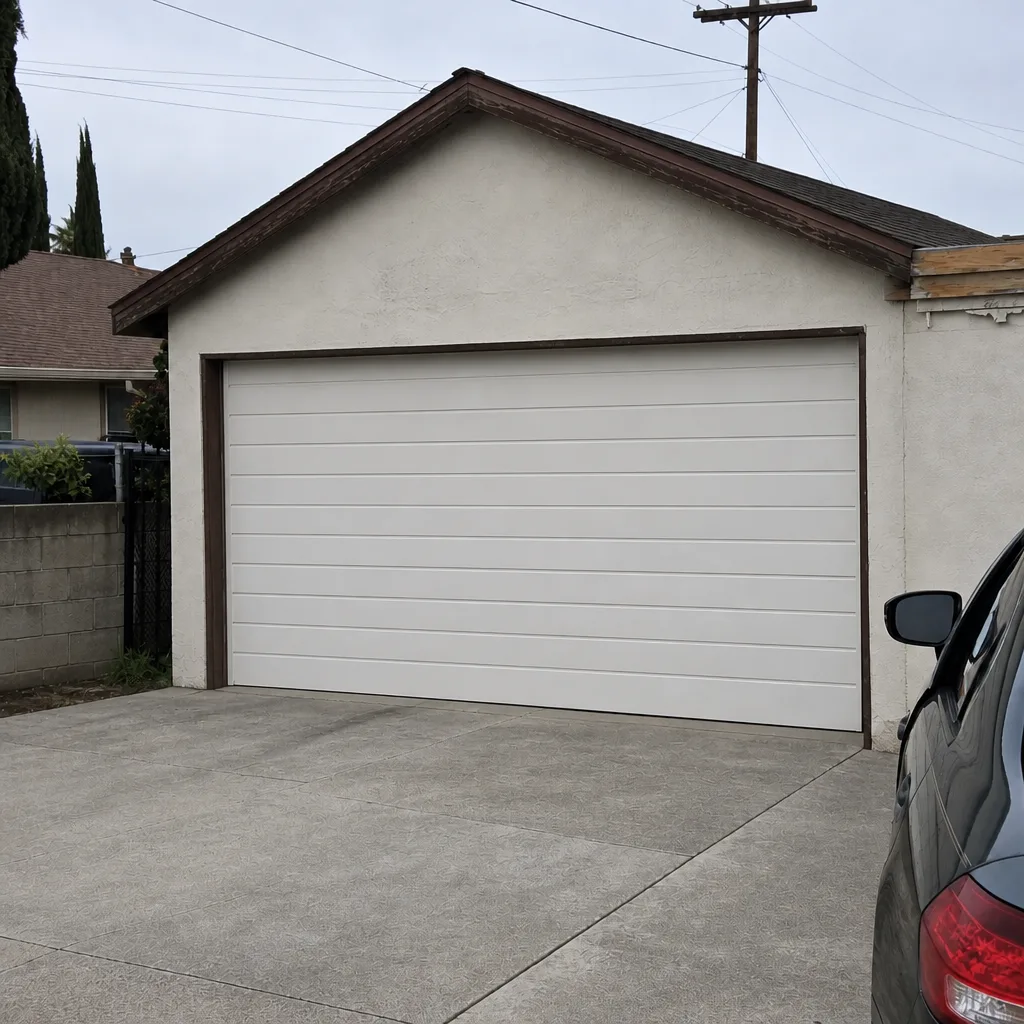
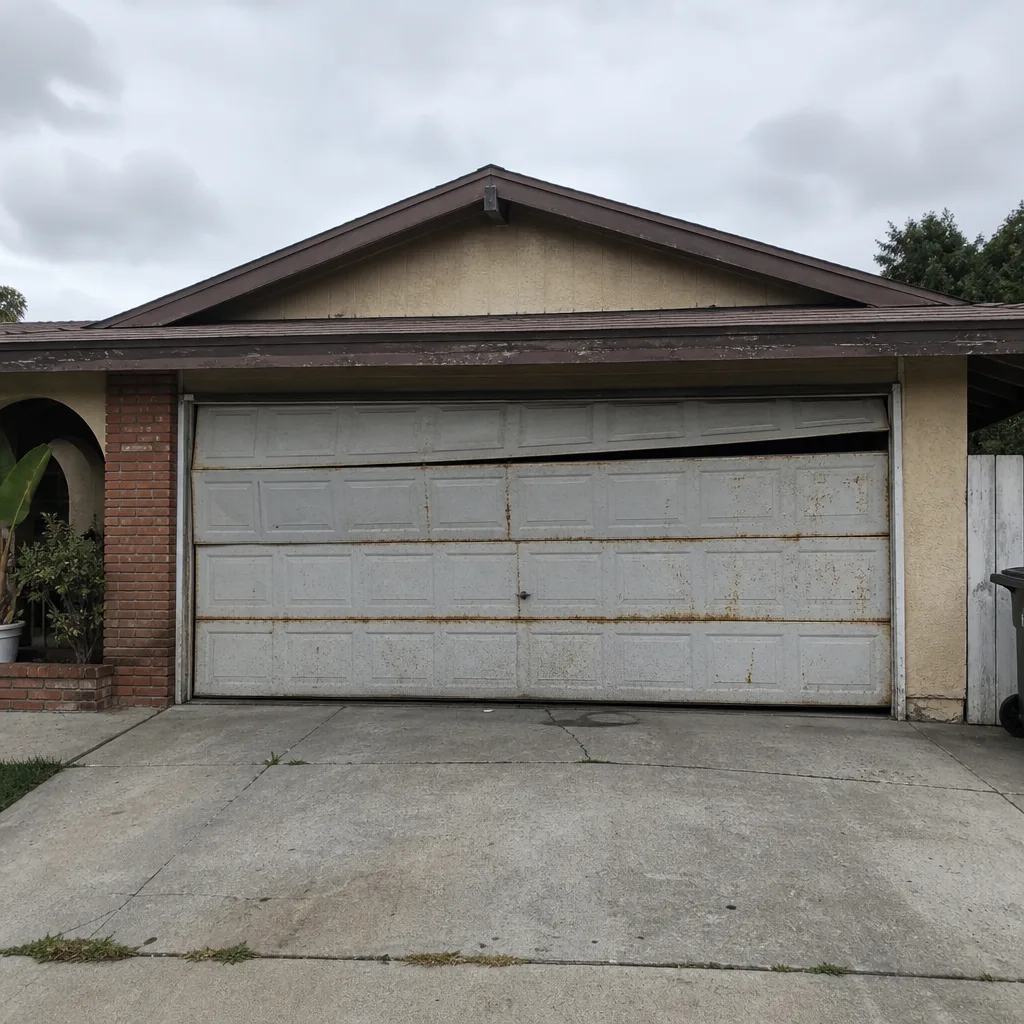
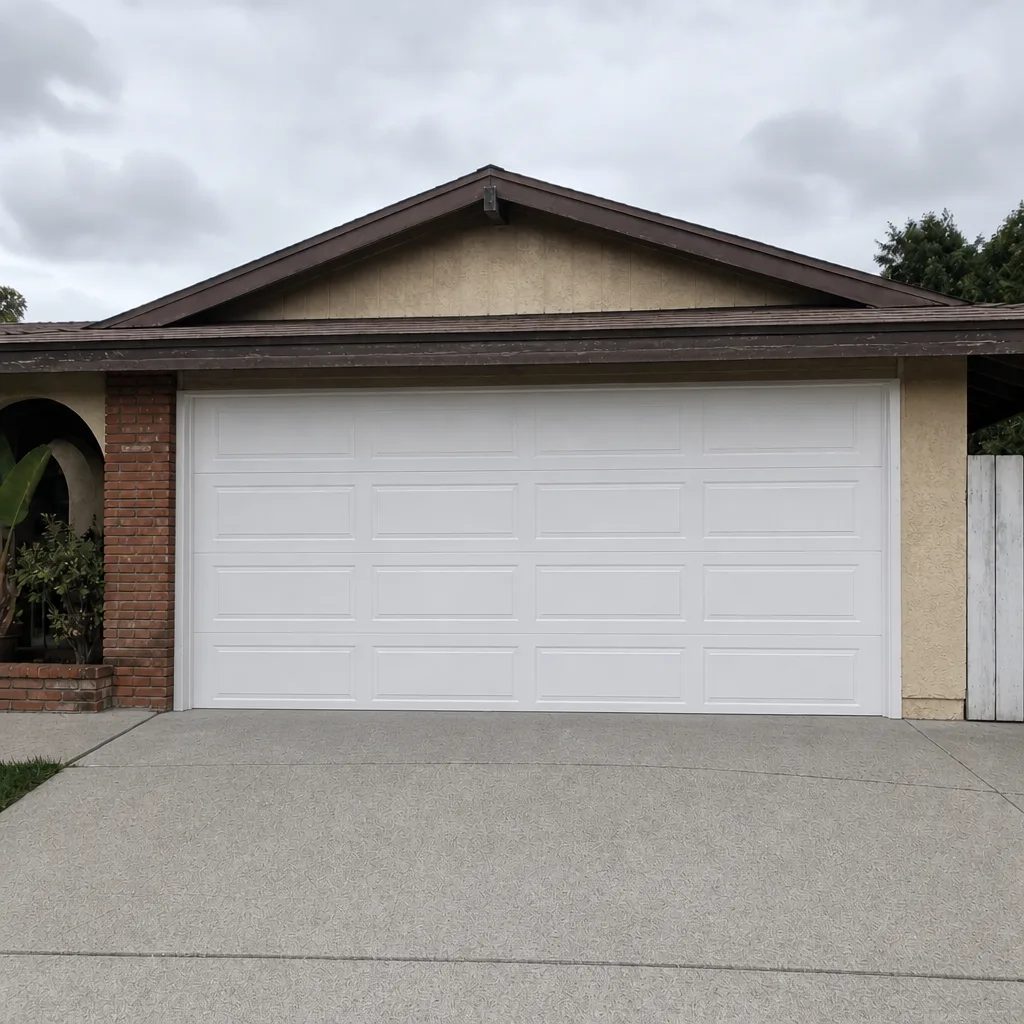
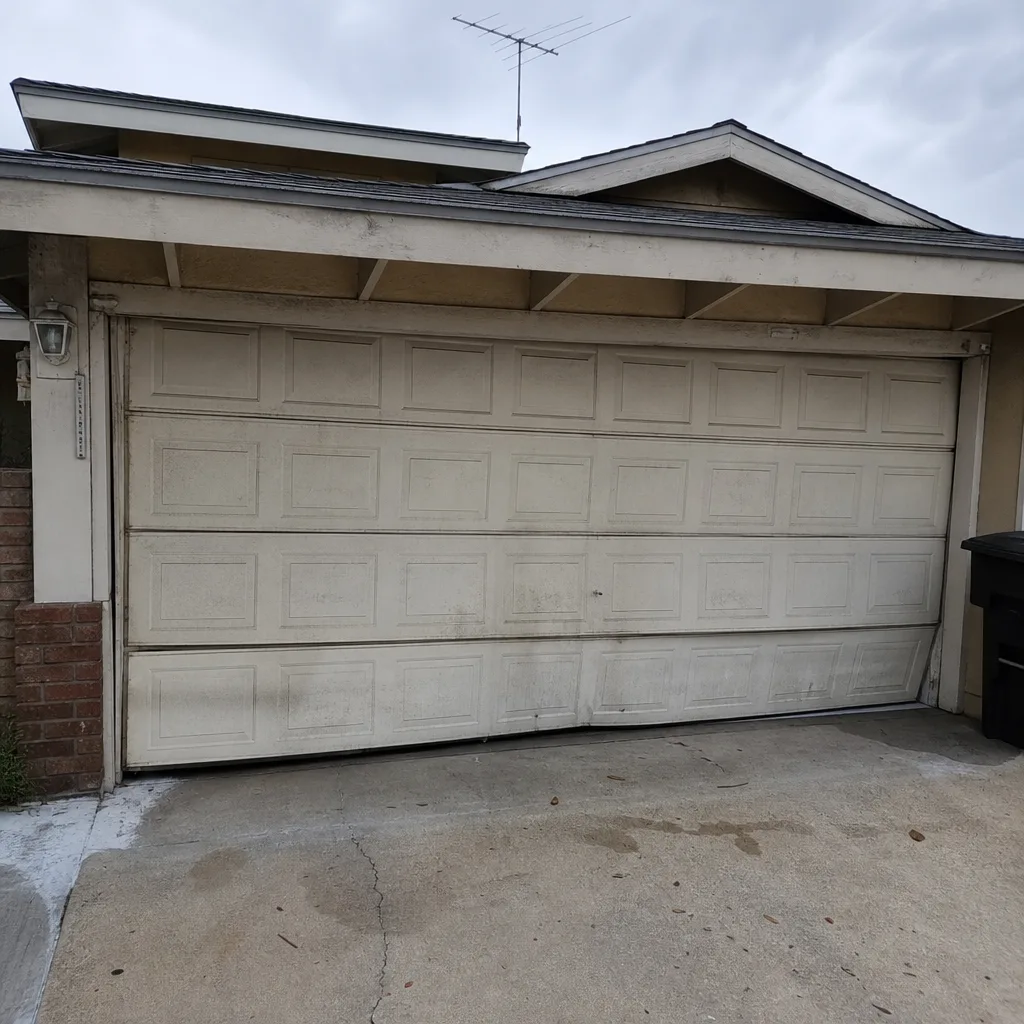
See the difference
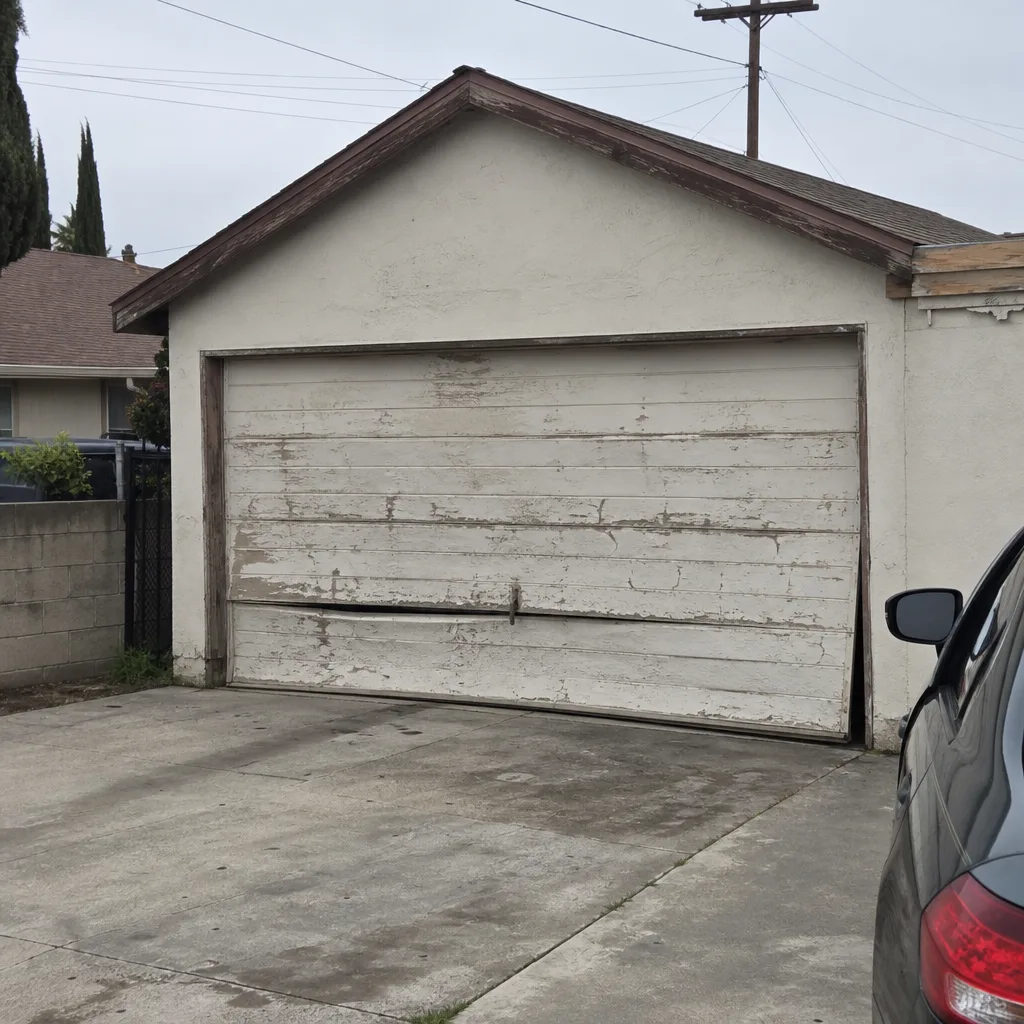 Before
 After
 Before
 After
 Before
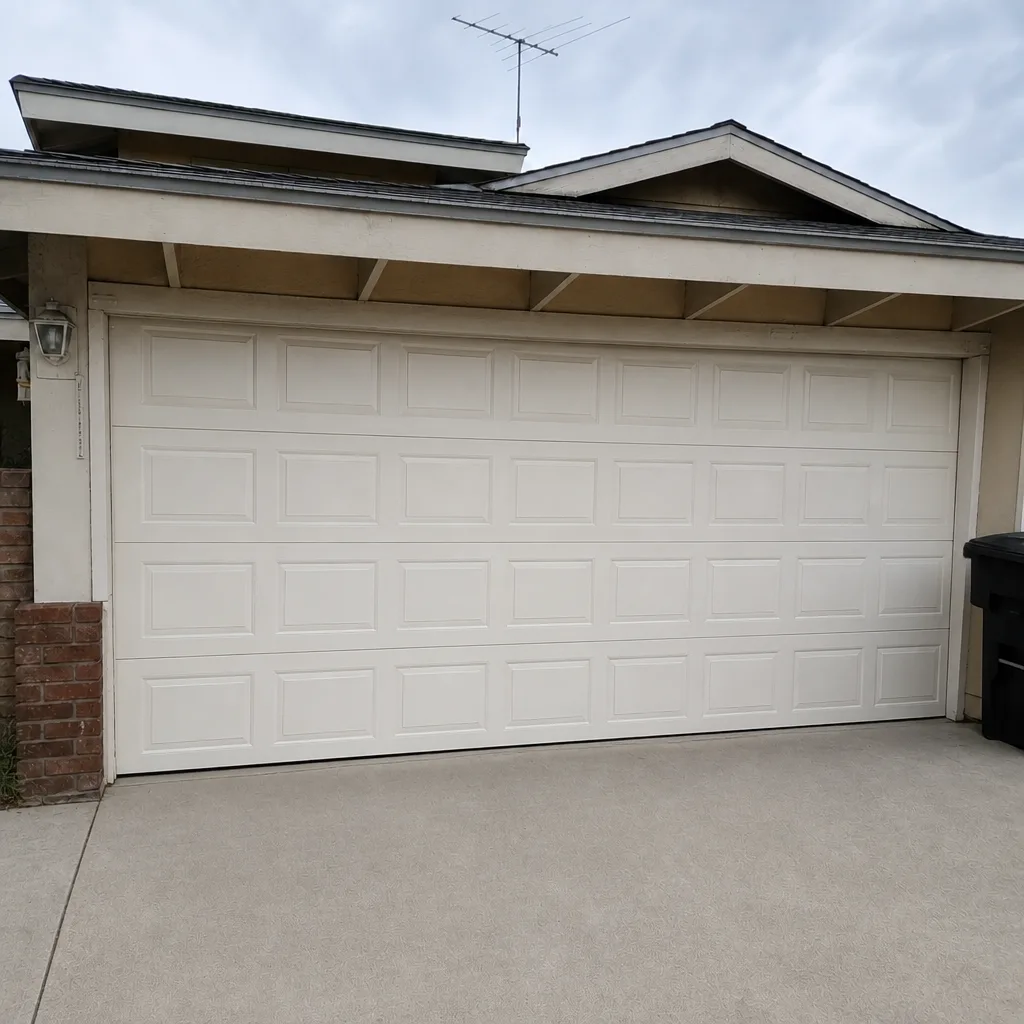 After