
Last updated November 4, 2026
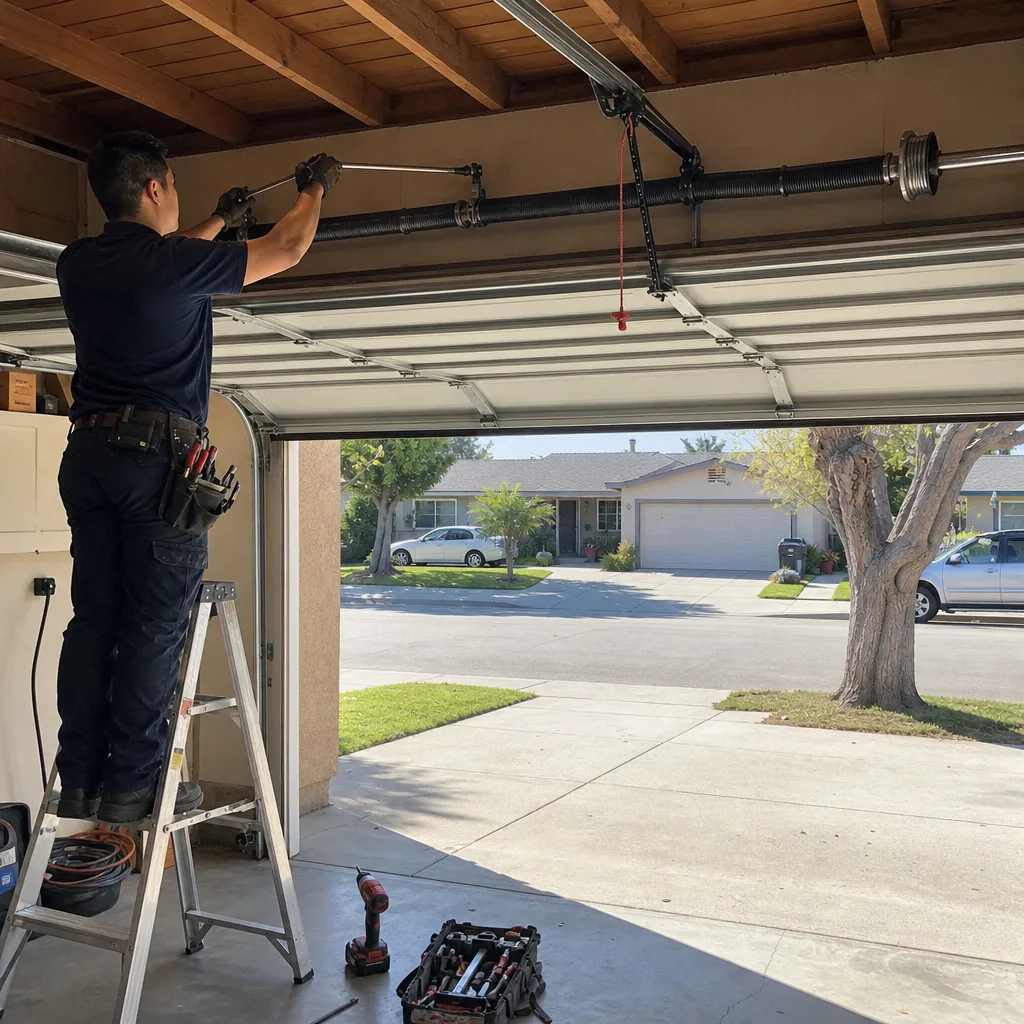
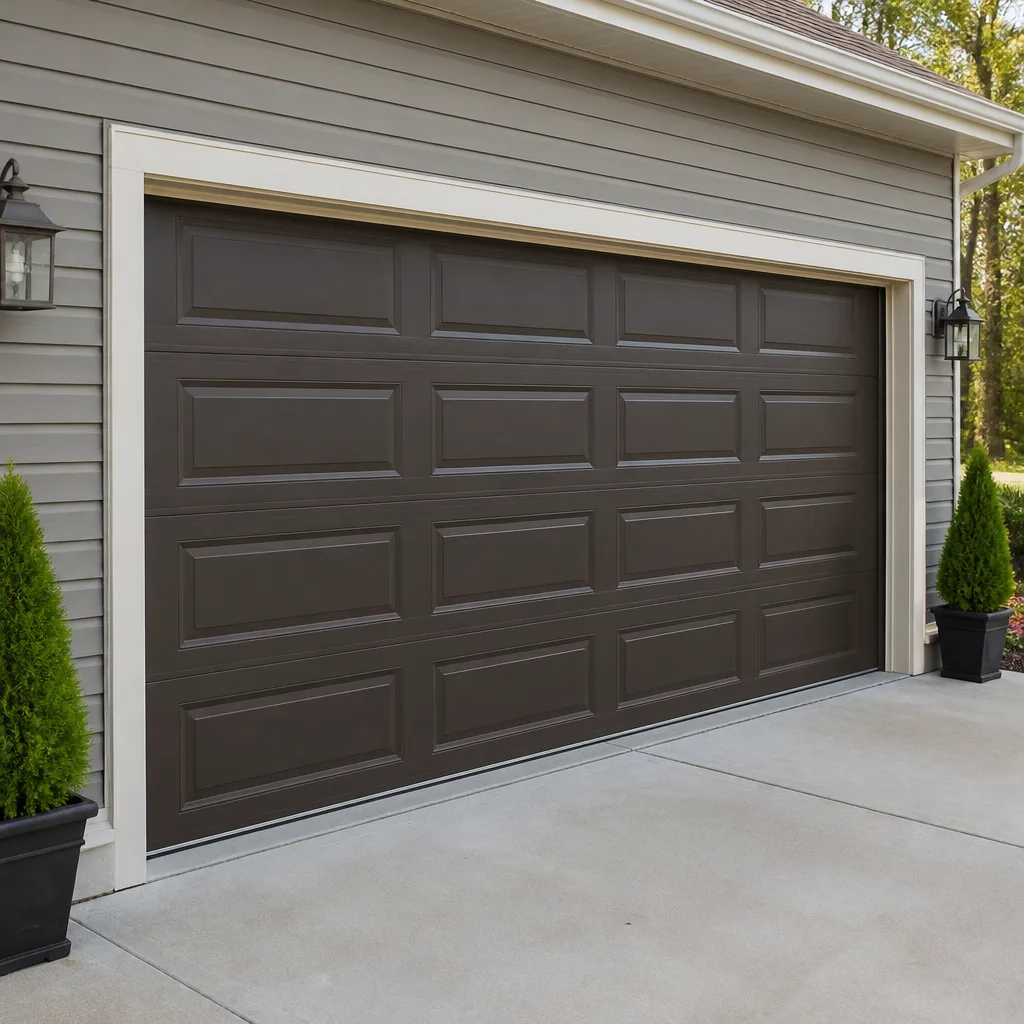 Raised-panel steel
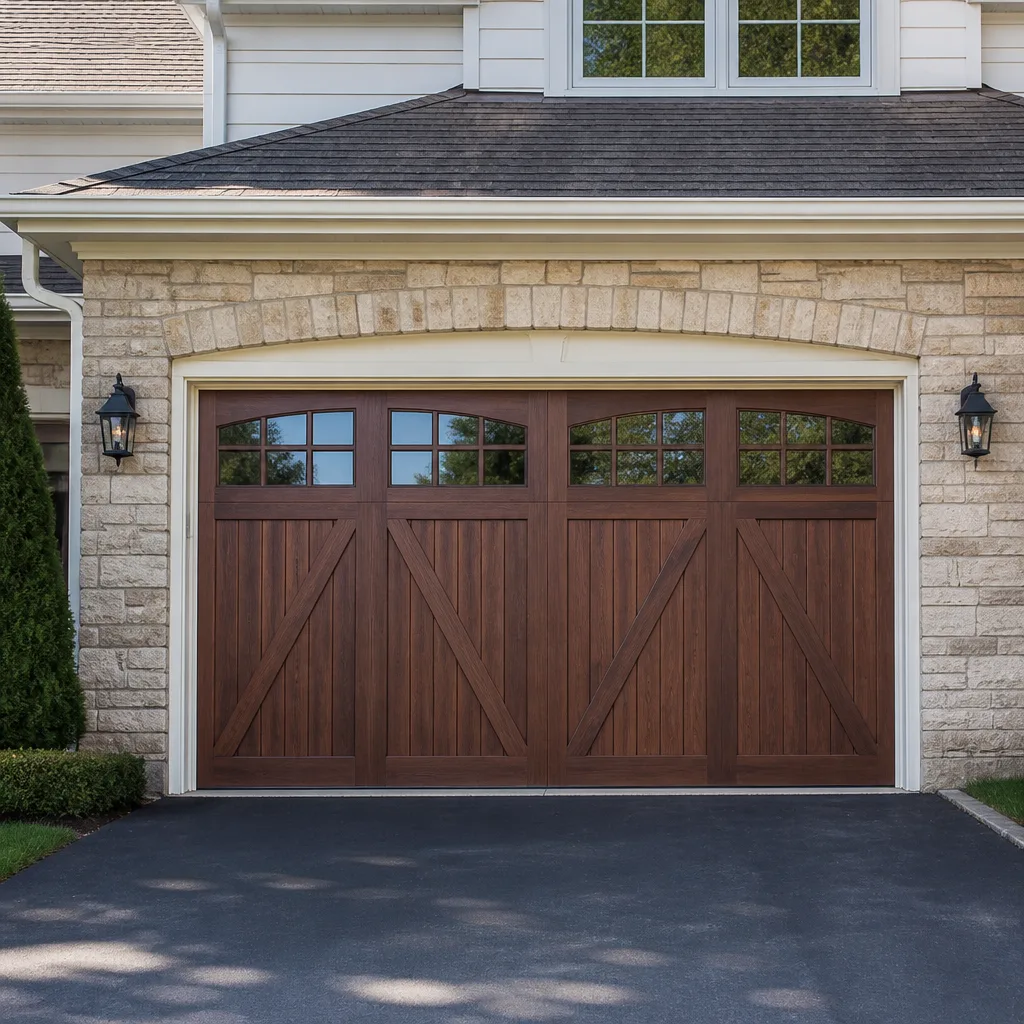 Carriage house
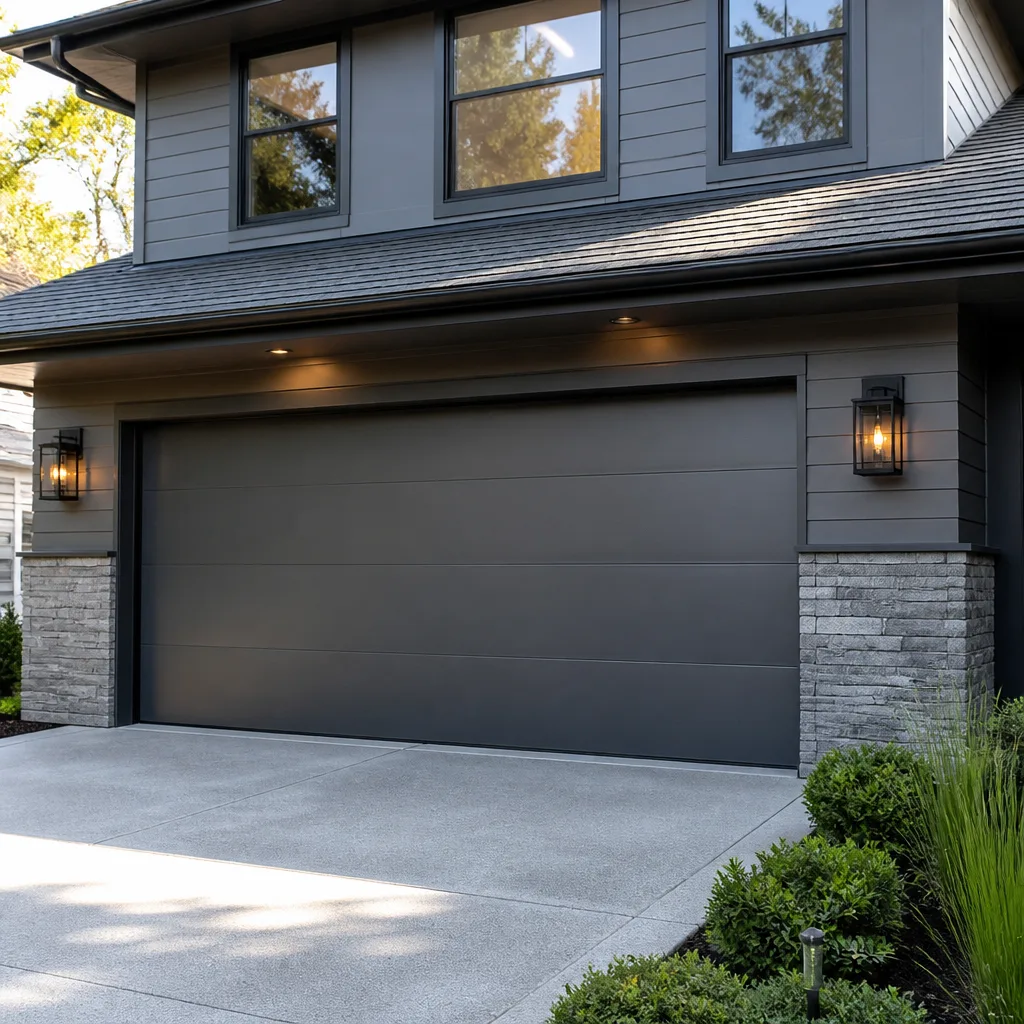 Modern flush
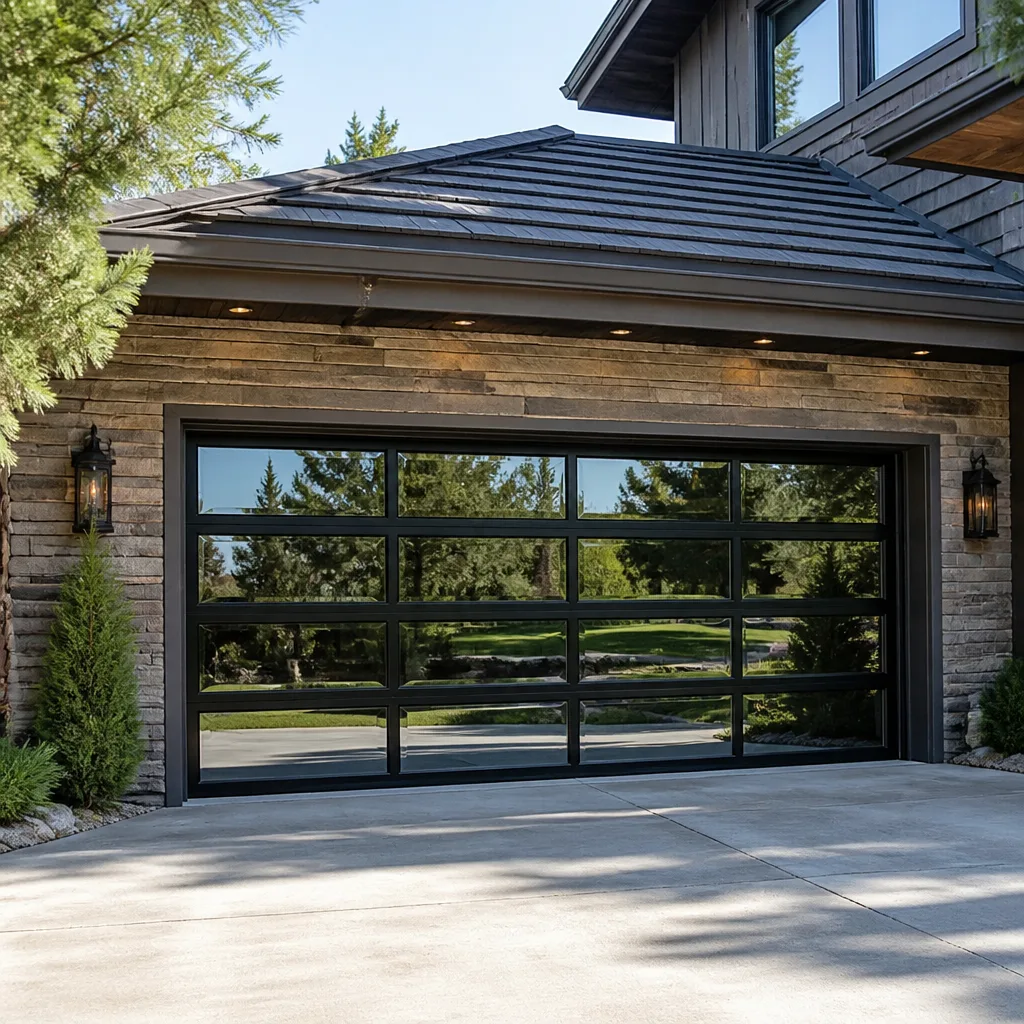 Full-view glass
 LiftMaster openers
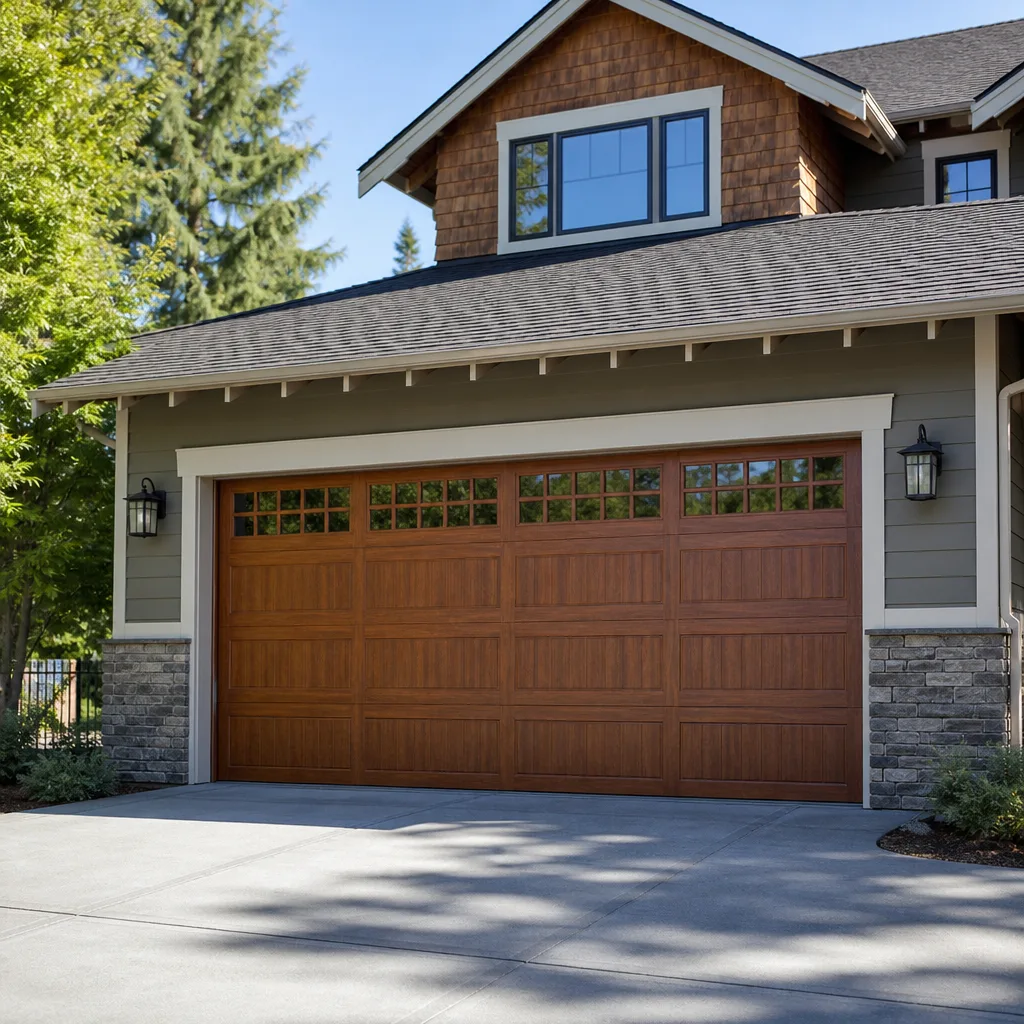 Chamberlain openers
Full 25-point door and opener safety check with every visit - springs, cables, rollers, tracks, and your LiftMaster or Chamberlain opener included
You get a price before we start. It does not change when the truck arrives.
Get your free estimateGarage Door Emergency Preparedness Guide for Buena Park Homes
The moment a garage door fails is rarely the moment anyone wants to learn how its manual release works. In Buena Park, where the garage is often the primary entry point for the whole household, that learning curve gets expensive and stressful fast. Most homeowners conflate two very different emergencies: a spring snapping at 6:40 a.m. on a workday, and a power outage or earthquake rendering the opener useless. They demand different preparation, different tools, and different instincts. This guide separates those scenarios, walks through what actually works, and gives you a set of checks to run before you ever need them.
Quick Answer
Garage door emergencies in Buena Park fall into two buckets: mechanical failures (broken springs, cables, stuck doors) and environmental disruptions (power outages, seismic events). For mechanical failures, stop using the door and call a specialist. For power or quake-related issues, know your manual release, check the track and springs visually, and avoid forcing the door. The single best preparation step is to practice the manual release on your opener once, with the door closed, on a calm afternoon.
Styles & brands we work with
- Raised-panel steel
- Carriage house
- Modern flush
- Full-view glass
- LiftMaster openers
- Chamberlain openers
Table of Contents
- The Two Types of Garage Door Emergencies
- How to Operate the Manual Release on Any Opener
- Power Outage Prep: What a Battery Backup Actually Covers
- After an Earthquake: What to Check Before Touching the Door
- Securing a Door That’s Stuck Open or Partially Open
- How to Choose a 24-Hour Emergency Contractor Before You Need One
- Common Mistakes to Avoid
- When to Call a Professional
The Two Types of Garage Door Emergencies
Buena Park homes face a specific split in garage door failures, and recognizing which one you’re in changes what you should do first. A mechanical emergency means something physical broke: a torsion spring, a cable, a roller, a hinge, an opener gear. These failures make the door heavy, loud, or entirely immobile. The correct response is to stop cycling the door and get a trained technician involved, because the stored energy in a wound spring is genuinely dangerous. A disruption emergency means the door itself may be structurally fine, but the conditions around it changed: the power’s out, the opener won’t respond, or the ground just shook. That’s a different playbook, one that starts with assessment, not force.
We work on garage doors across Buena Park every week, and the pattern we see is consistent: homeowners treat every garage door problem like it needs a stronger opener motor or a bigger spring. That’s rarely true. A door that worked fine yesterday and now won’t lift is usually a balance issue, not a power issue. A door that works on the wall button but not the remote is a radio or logic board problem, not a motor problem. Knowing the category narrows the fix and prevents destructive tinkering.
Mechanical failures: broken springs, snapped cables, burnt motors
The most common mechanical emergency in Buena Park is a broken torsion spring. You’ll hear it, often as a loud bang from inside the garage that sounds like someone dropped a toolbox. After that, the opener motor will strain and fail because it was never designed to lift the full weight of an unbalanced door. Snapped cables leave the door hanging unevenly, and continuing to run the opener can bend the track. These are stop-now situations. The door is not safe to operate, and the repair requires unwinding and rewinding springs under tension, which is a trained professional’s job. Never a weekend DIY project.
Disruption failures: power loss, opener failure, seismic events
Disruption emergencies often leave the door fully intact. The opener simply won’t run, or you’re concerned about what a recent earthquake may have shifted inside the track system. In these scenarios, the garage door itself may still be operable manually, provided the springs are intact and no structural damage has occurred. The mistake is assuming the opener is the door. It’s not. The door is the heavy panel assembly on tracks. The opener is a motorized helper attached to it. Learning to separate those two in your mind is the foundation of emergency preparedness, and it’s the single most useful mental model we can offer.
How to Operate the Manual Release on Any Opener
Every automatic garage door opener has a manual release mechanism, usually a red cord hanging from the trolley above the door. Pulling it disconnects the door from the opener carriage, so you can lift and lower the door by hand. The key is knowing when to pull it, and what happens next. Pull the handle only when the door is fully closed. If you pull it while the door is open, the full weight of the door drops, which is dangerous and can damage panels or tracks.
Here’s the step-by-step sequence we recommend for any Buena Park homeowner, regardless of opener brand:
- Confirm the door is fully closed. If it’s not, do not pull the release. Call a professional instead.
- Locate the red manual release cord. It hangs from the trolley or carriage that moves along the rail above the door.
- Pull down firmly and toward the garage interior. You’ll hear a click or a clunk as the carriage disengages from the opener chain or belt.
- Lift the door manually. Use the handles or the bottom edge. A properly balanced door should lift smoothly with one hand and stay open about three to four feet off the ground on its own.
- To re-engage, pull the release cord down and toward the door. Then run the opener once until the carriage clicks back into place. Some openers re-engage automatically on the next full cycle.
We’ve trained on LiftMaster, Chamberlain, Genie, and Raynor systems, and the manual release works the same across all of them. What changes is the opener’s re-engagement behavior. LiftMaster and Chamberlain belt-driven units often re-engage automatically when the carriage passes over the locked tab. Genie screw-drive units may require a second pull of the cord while the motor runs. Raynor openers, less common but present in older Buena Park homes, follow the same pull-to-disengage logic but sometimes have a shorter cord tucked further back. If you can’t find yours, trace the rail above the door from the motor housing toward the wall. The cord hangs from the moving carriage.
Practice this once, with the door closed, on a Sunday afternoon when nothing is wrong. The ninety seconds you spend now save you ninety minutes of fumbling in a dark garage during an outage or after a quake.
What if the door feels too heavy to lift by hand?
If you pull the release and the door won’t lift, or lifts only with real strain, the springs are no longer doing their job. That’s a mechanical failure, not a disruption. Lower the door carefully if you can, re-engage the opener if safe, and call a garage door repair specialist. Do not prop the door open with a ladder or 2×4. Do not keep forcing it. A door that heavy has lost its counterbalance, and the risk of it slamming shut is serious.
Power Outage Prep: What a Battery Backup Actually Covers
Buena Park sits in Southern California Edison territory, and while rolling blackouts are less frequent than in some inland communities, peak summer demand and grid strain are real. We’re not in a freeze-thaw climate, so the garage door concerns here aren’t snow load or ice. They’re heat-related grid stress, occasional wind-related outages, and the simple fact that most homes in Buena Park still have openers without battery backup. When the power drops, the opener is a paperweight. The door still moves manually, but only if you know how to release it, and only if the springs are balanced.
A battery backup opener changes that equation. It stores enough charge to cycle the door a limited number of times after the grid fails, typically 20 to 50 cycles depending on the unit and the door’s weight. What it does not do is run the door indefinitely. It also doesn’t help if a spring breaks during the outage. The backup powers the motor, not the door’s counterbalance. For Buena Park homeowners who park both cars in the garage and have no side door, a battery backup is the single most impactful upgrade for disruption preparedness. We install LiftMaster and Chamberlain units with integrated or external battery backups regularly, and the retrofit is straightforward.
What to check on your current opener
- Look for a battery icon or “Backup Ready” text on the motor housing. If present, the opener has a backup battery, and it should be replaced every two to three years.
- Check the opener’s age. Units installed before 2012 rarely have backup capability. If the opener is old enough that the remote’s range has degraded significantly, consider replacement.
- Test it. With the garage light not powered by the opener, unplug the motor or flip the dedicated breaker. Then hit the wall button. If the door cycles, the backup works.
For most Buena Park households, a battery backup plus a practiced manual release routine covers ninety percent of power-related garage emergencies. The remaining ten percent are doors that jam mid-cycle during a surge, and those usually need a technician’s eye.
After an Earthquake: What to Check Before Touching the Door
Southern California conditions mean seismic events are part of the risk profile for any Buena Park home. After a quake, the garage door system can sustain damage that isn’t obvious from inside the house. The tracks can shift, bolts can loosen, and the door’s balance can change if a spring seat moved. Before you attempt to open the door, walk through this sequence:
- Stand to the side of the door and inspect both vertical tracks. Look for gaps between the track and the wall, bent sections, or visible displacement.
- Check the horizontal tracks above the door. These should be level. If one sags, the rollers may bind or derail.
- Look at the spring assembly. If the spring has a visible gap in the middle, it’s broken. Do not touch it. Do not stand under it.
- Inspect the cable drums at each end of the torsion shaft. Cables should be seated in their grooves, not crossed or hanging loose.
- Try one manual open, only if everything looks straight and intact. Pull the release with the door closed and lift slowly. If you hear grinding, popping, or metal-on-metal scraping, stop and lower the door.
If the door moved at all during the quake, even half an inch, the opener’s travel limits may need recalibrating. Most modern LiftMaster and Chamberlain units have obstruction-sensing and will refuse to close fully if the tracks shifted. That’s a safety feature working correctly. Don’t disable it. Call someone who knows the system. Buena Park building codes require the door’s auto-reverse and photo-eye sensors to function, and bypassing them is both unsafe and out of compliance.
Securing a Door That’s Stuck Open or Partially Open
A garage door stuck halfway open is a security-sensitive problem. The garage is the largest opening in the home. If the door won’t close, the entire house is exposed to the alley or street, and opportunistic access becomes a real concern. The fix depends on why it’s stuck.
If the opener failed but the springs are intact, you can lower the door manually by pulling the release and walking it down by hand. A balanced door will lower smoothly with one hand on the handle. If the door is stuck open because a cable snapped or a spring broke, do not try to force it closed. The panels may be off-track and the full weight of the door is no longer supported. In that situation, the best immediate move is to block access from inside the house. Close and lock the interior door between the garage and the home. Then position a vehicle or other heavy object in front of the opening if possible, or hang a tarp to reduce visibility. Call for professional help from garage door repair.
Temporary securing options for a door that won’t stay down
- Vise grips on the track. Clamp them below a roller on each side. This prevents the door from being lifted from outside. Only do this if the door is fully closed or nearly closed, and remove them before anyone operates the opener.
- Slide bolt through the track. Some homeowners install a manual slide bolt that passes through the track and locks a panel in place. If you have one, use it.
- Disengage the opener and rest the door on the floor. If the springs are intact but the opener failed, the door will sit closed on its own. The opener doesn’t hold the door up. The springs do.
A note on timing: we answer the phone 24/7, and fast dispatch runs from 7am to 7pm, Sunday through Friday. If a door is stuck open at night, secure the interior as best you can and call us. We’ll book your call into the next available dispatch window and walk you through exactly what to do in the meantime.
How to Choose a 24-Hour Emergency Contractor Before You Need One
The worst time to evaluate a garage door company is while your car is trapped inside the garage and a spring is lying on the floor. Decision quality plummets under time pressure. The second worst time is during a widespread emergency, when every contractor in the region is booked out and homeowners start calling anyone with a phone number. Buena Park is densely built, and the local contractor base is deep, but not all of it is specialized. Here’s how to vet a garage door emergency provider now, before you need one:
- Ask what they actually specialize in. A general handyman who “also does garage doors” is not an emergency contractor. You want someone whose entire trade is overhead doors.
- Confirm they carry parts for multiple brands. A company locked to one manufacturer can’t fix your Genie opener if they only stock Chamberlain parts. Brand-agnostic service means diagnosis, not guesswork.
- Ask about their phone policy. “We answer 24/7” is the correct answer. If their voicemail says they’ll call back during business hours, that’s not an emergency line.
- Check that they don’t subcontract. Single-call convenience means the same company that diagnoses the problem is the one that fixes it. No referrals out.
- Ask for a free estimate. Emergency work should still be quoted and agreed before any work starts. If a company won’t quote up front, walk.
Hampton Garage Door Service is a dedicated garage door specialist, not a generalist trade company. We carry parts for LiftMaster, Chamberlain, Genie, and Raynor, among the eight major lines we service. We’ve spent years in Buena Park garages, and the consistent feedback from homeowners is that knowing who to call before the emergency is the difference between a one-hour inconvenience and a two-day headache.
Common Mistakes to Avoid
- Forcing the opener when the door is fighting back. If the motor is straining, clicking, or reversing immediately, something changed in the door’s balance. Continuing to run it damages the opener gear and the door. Stop and assess.
- Pulling the manual release while the door is open. This is how panels get bent and cables come off drums. Always pull the release with the door fully closed.
- Ignoring a broken spring and using the door anyway. Some homeowners assume the opener can do the lifting after a spring breaks. It can’t, not safely. The door is hundreds of pounds of unbalanced steel and wood.
- Testing the door after an earthquake by cycling the opener first. Use your eyes and hands before the motor. Check the tracks, springs, and cables. Then try a manual lift. Then cycle the opener.
- Leaving a stuck-open door unsecured. An open garage is an invitation, especially in denser Buena Park neighborhoods where alleys and shared driveways give sightlines into open garages. Secure the interior door and block access.
- Assuming a battery backup solves everything. The backup powers the opener. It doesn’t fix broken springs, bent tracks, or post-quake misalignment.
- Calling an emergency provider you’ve never vetted. When the pressure’s on, companies that do everything from plumbing to painting start answering “yes” to garage door work. Ask the specificity questions first.
When to Call a Professional
Some jobs are too dangerous for even the most competent homeowner. Broken torsion springs under tension are the obvious example, but there are others: cables that have come off the drum, a door that’s jumped its track, an opener motor that hums but won’t move, or a post-earthquake situation where the door’s geometry looks wrong. If you’re unsure whether the door is structurally sound after a seismic event, that uncertainty itself is a reason to call. A trained eye costs less than a damaged door panel or an injured hand. The rule we tell every Buena Park homeowner: if the problem involves the spring, the cable, or the track, don’t touch it. Call an expert.
Hampton Garage Door Service offers free estimates in Buena Park. Call (877) 265-9147. We answer 24/7. Fast dispatch from 7am to 7pm, Sunday through Friday.
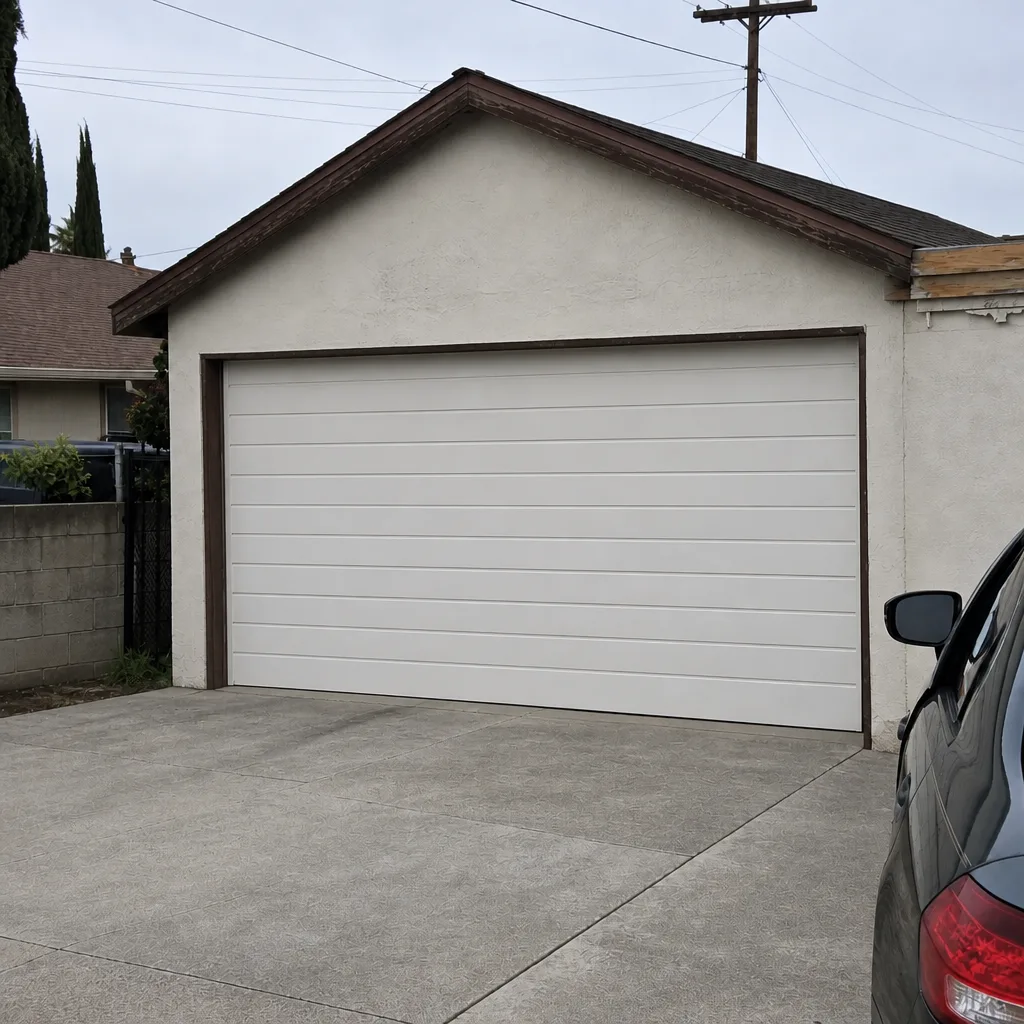
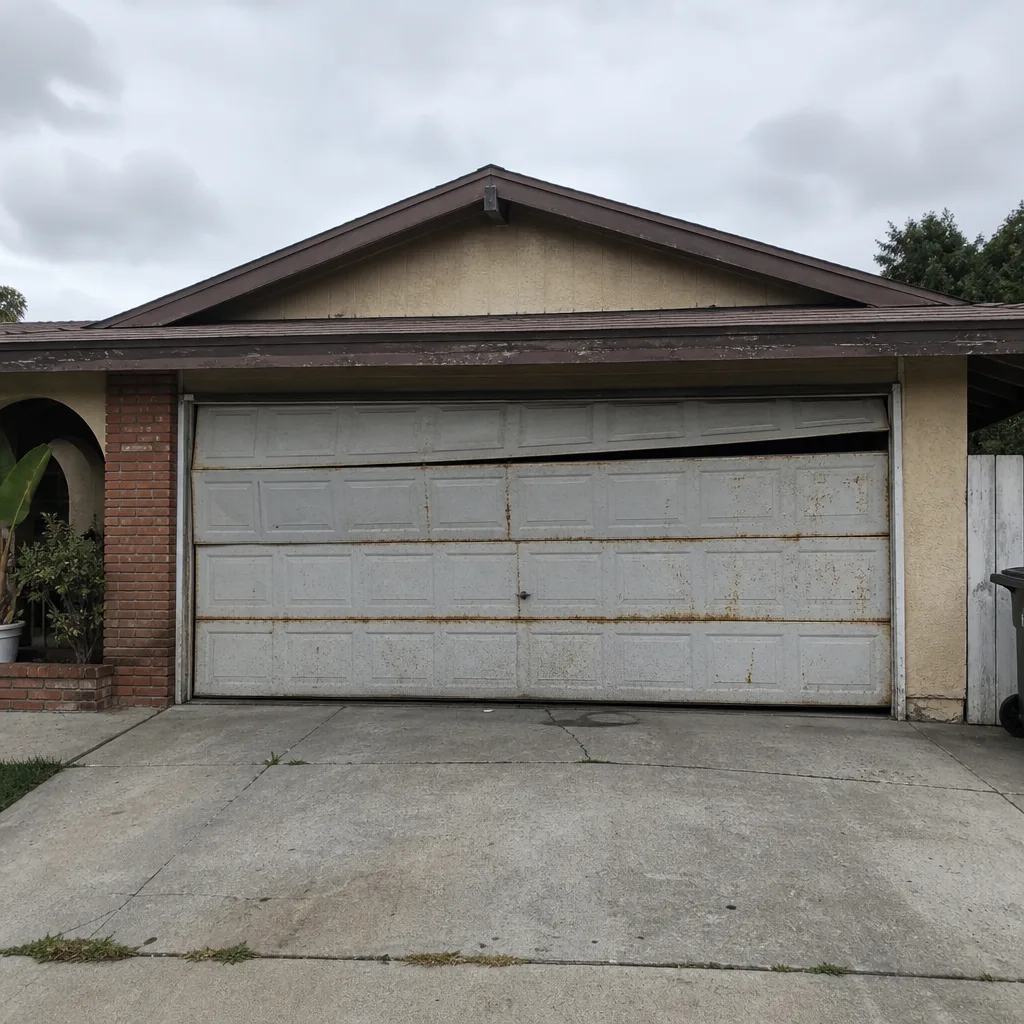
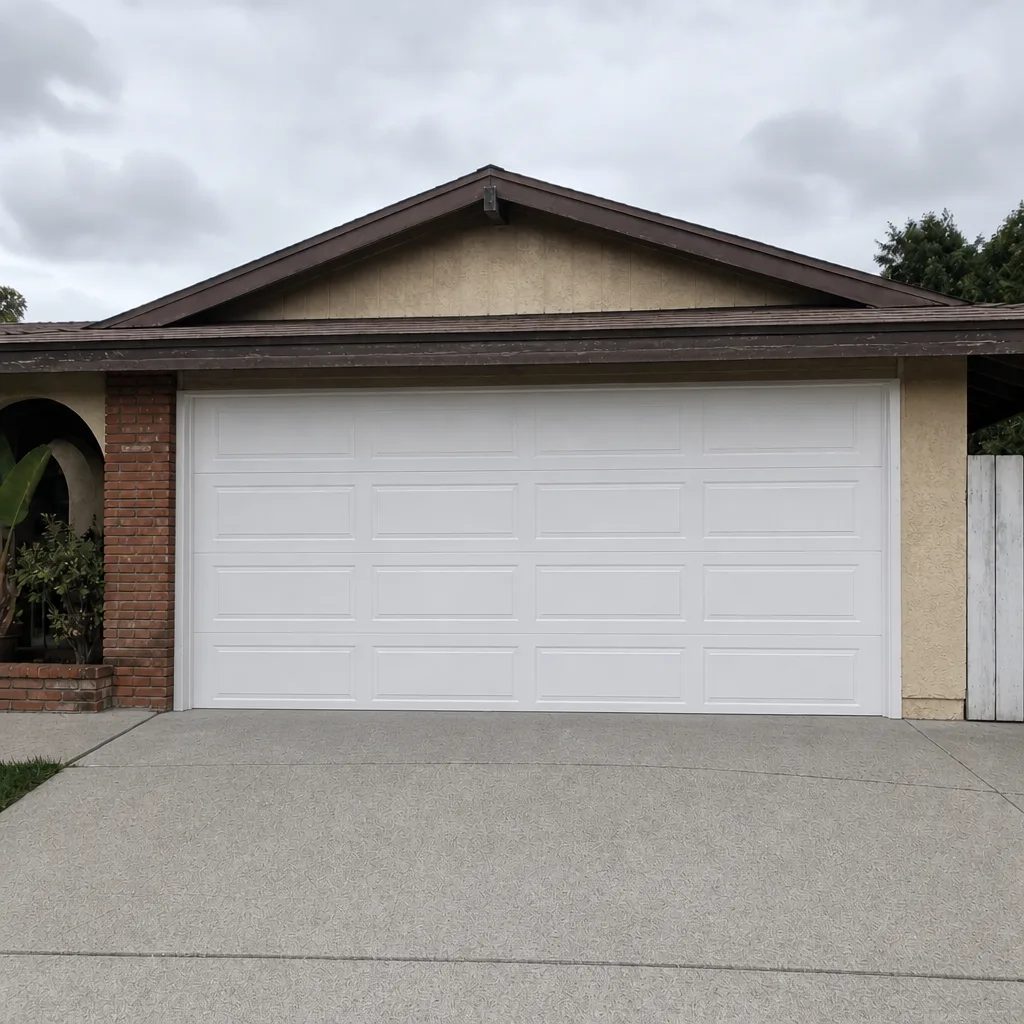
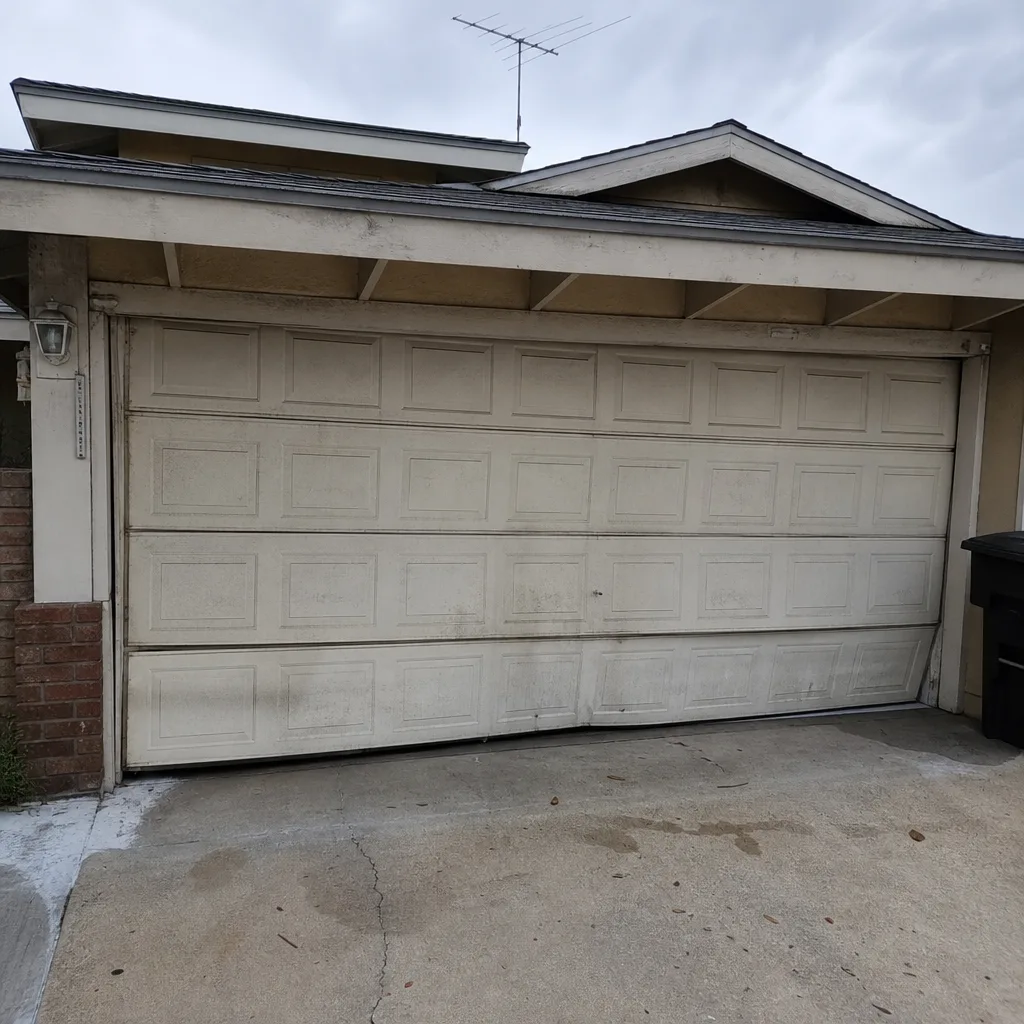
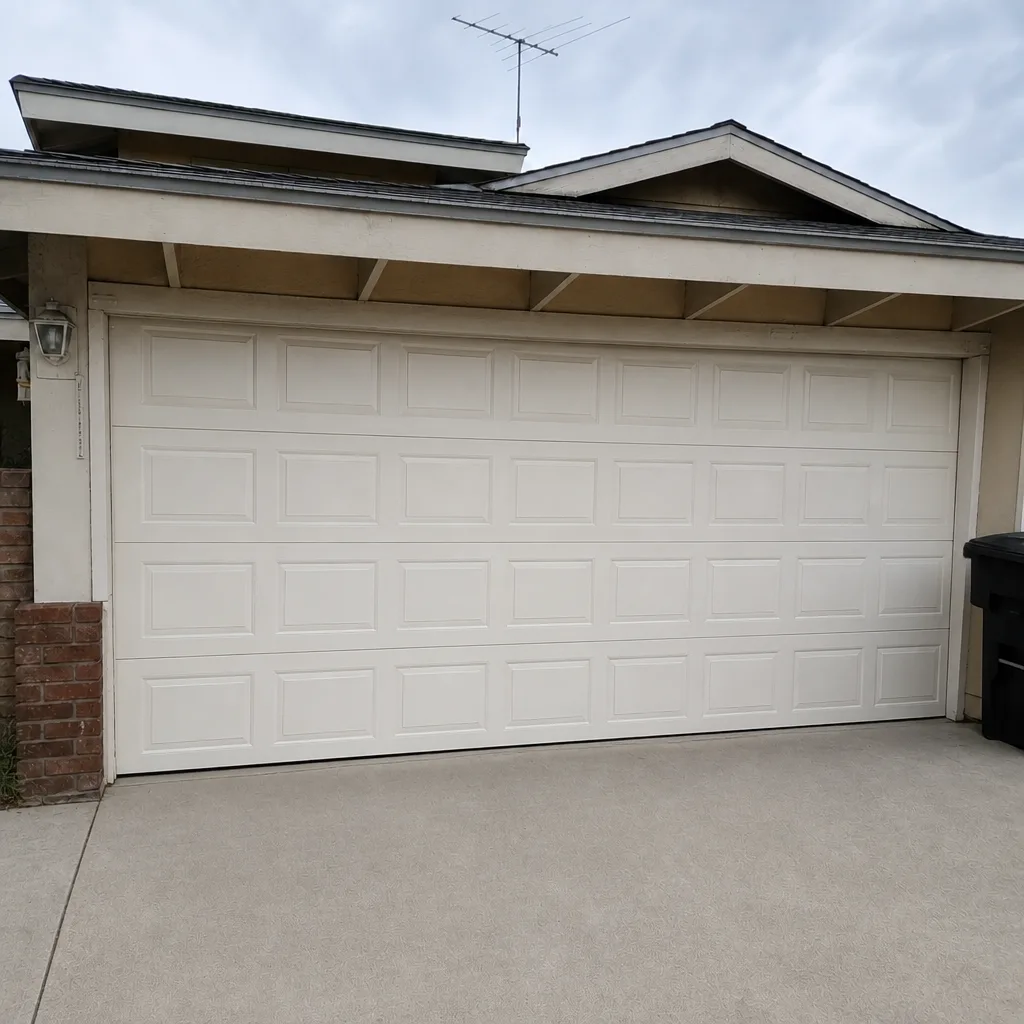
See the difference
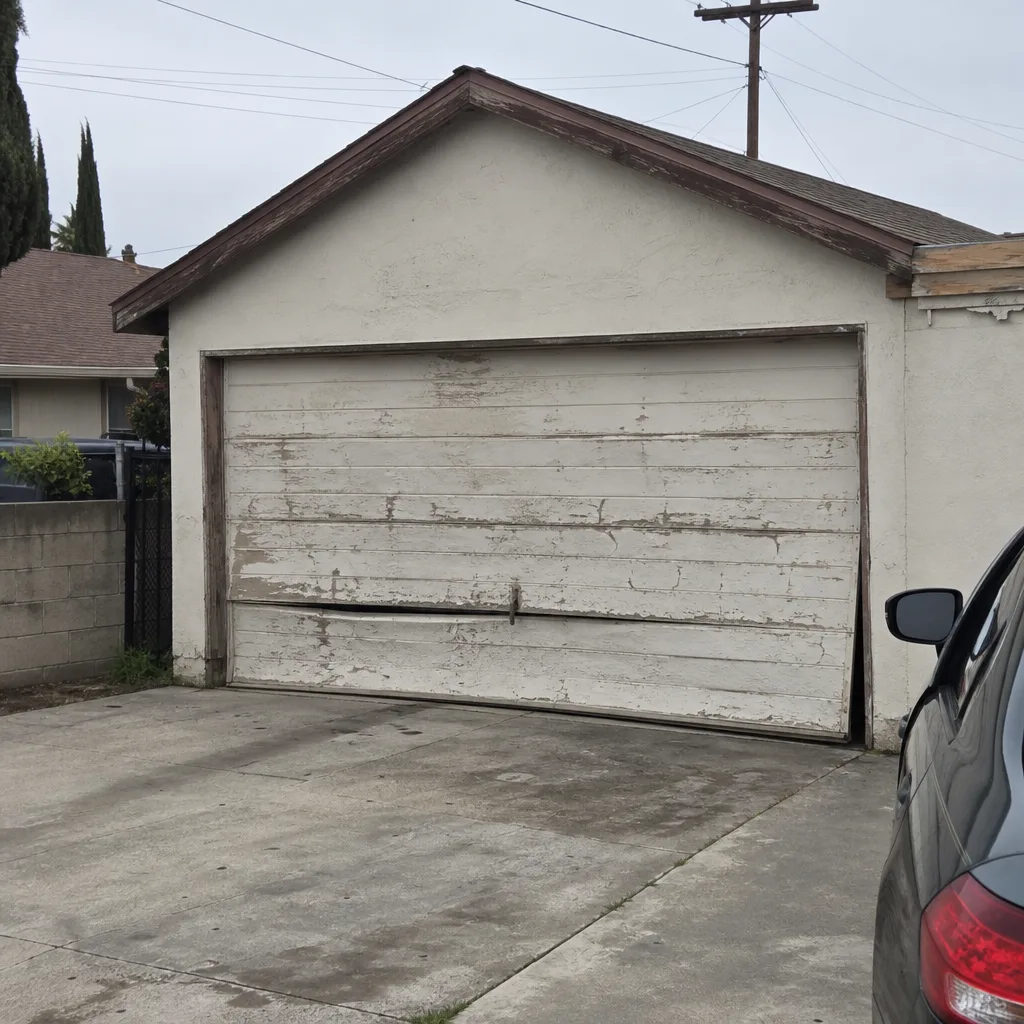 Before
 After
 Before
 After
 Before
 After
Frequently Asked Questions
First, check whether the opener is the problem or the door is. Pull the manual release cord with the door fully closed and try to lift the door by hand. If it lifts smoothly, the door is balanced and the opener or power is the issue. If it won’t lift, the springs need attention from a professional.
Only after you’ve visually inspected the tracks, springs, cables, and door alignment. If anything looks bent, shifted, or loose, do not operate the door manually or automatically. Call a garage door technician who can assess the system before it’s cycled.
Repair pricing depends on the specific failure and parts required, but we quote the price up front before any work begins. A free estimate covers the diagnostic and the written quote. Call (877) 265-9147 for exact pricing on your door.
If your garage is your only vehicle exit and you live in an area prone to summer grid strain, a battery backup is a worthwhile upgrade. It powers the opener for a limited number of cycles during an outage. It does not fix mechanical failures like broken springs or bent tracks.
Do not force it closed. If the door is balanced and the opener simply failed, you can pull the release and walk it down manually. If it’s stuck because a spring or cable broke, lock the interior door between the garage and home, block visibility, and call us. We answer 24/7 and will schedule the next dispatch window.
Test the auto-reverse by placing a 2×4 flat on the ground under the door’s path and closing it. The door should reverse within two seconds of contacting the wood. Test the photo-eyes by waving an object through the beam while the door closes. It should stop and reverse. If either test fails, the door is out of compliance and needs service.
The Bottom Line
Garage door emergencies in Buena Park are manageable when you know which kind you’re in and what the first move should be. Mechanical failures require a stop-and-call response. Disruption failures require assessment and often just a manual release pull. Preparation is the difference: know your opener’s release mechanism, test your battery backup if you have one, and keep a vetted emergency contractor’s number in your phone before you need it. The garage door is the largest moving object in your home and its most-used entry point. Treat it with the same preparation you’d give any critical system. When you need professional help, call Hampton Garage Door Service at (877) 265-9147. We answer 24/7 and dispatch fast from 7am to 7pm, Sunday through Friday.
Written by the team at Hampton Garage Door Service, serving Buena Park since 2015.