
Last updated November 4, 2026
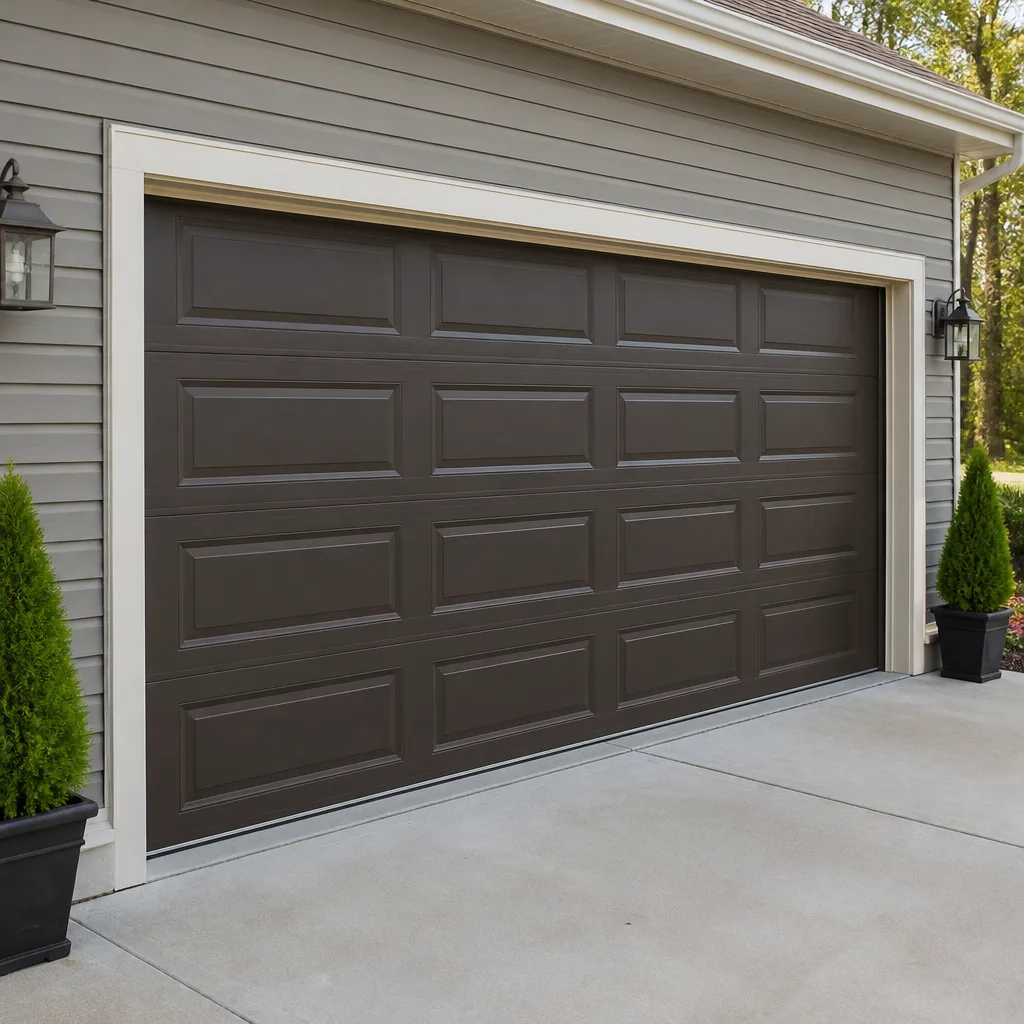 Raised-panel steel
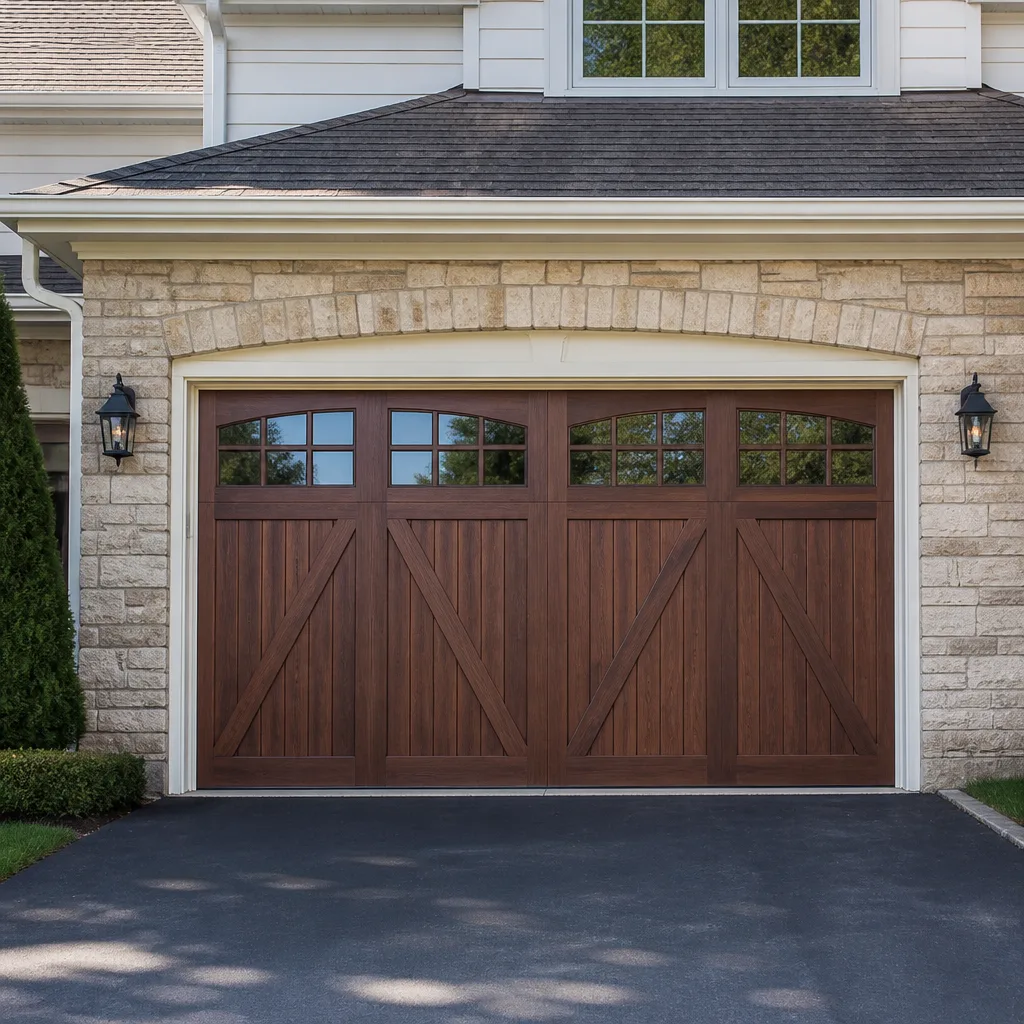 Carriage house
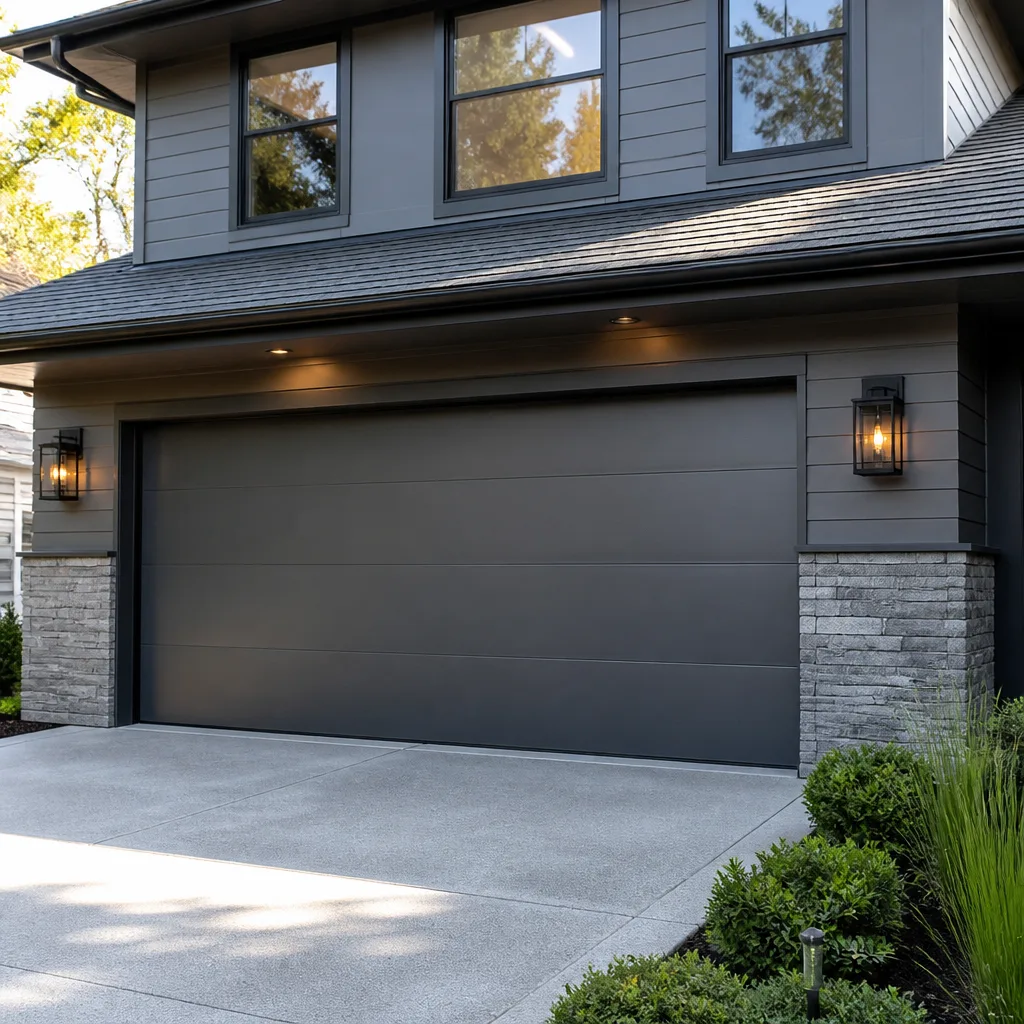 Modern flush
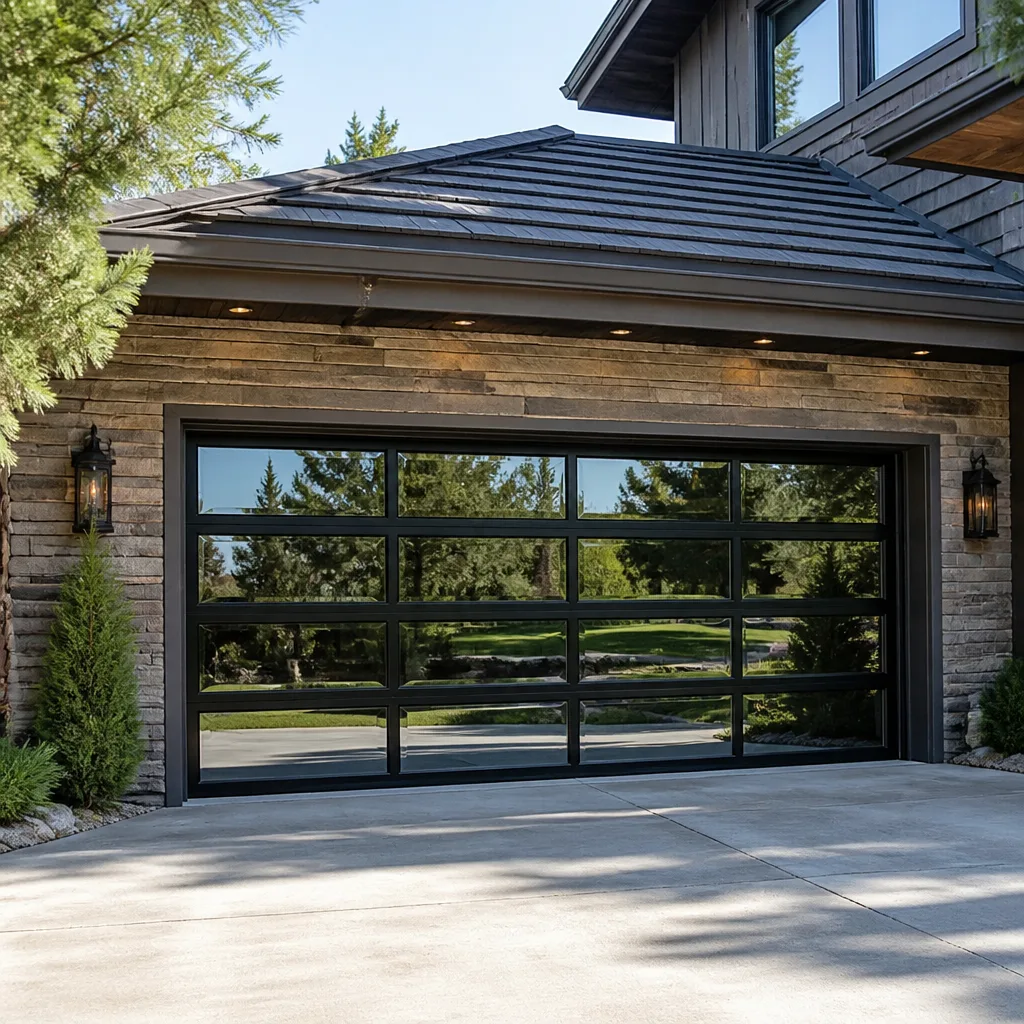 Full-view glass
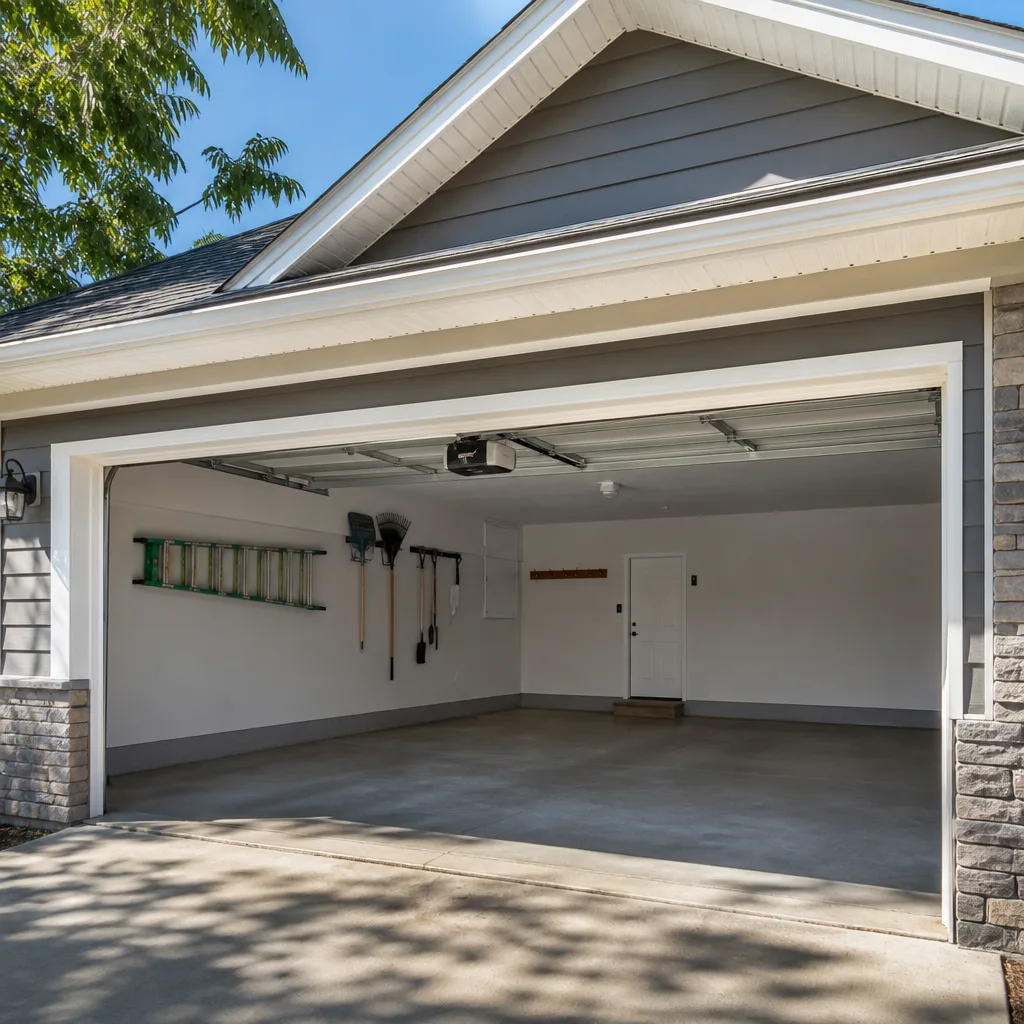 LiftMaster openers
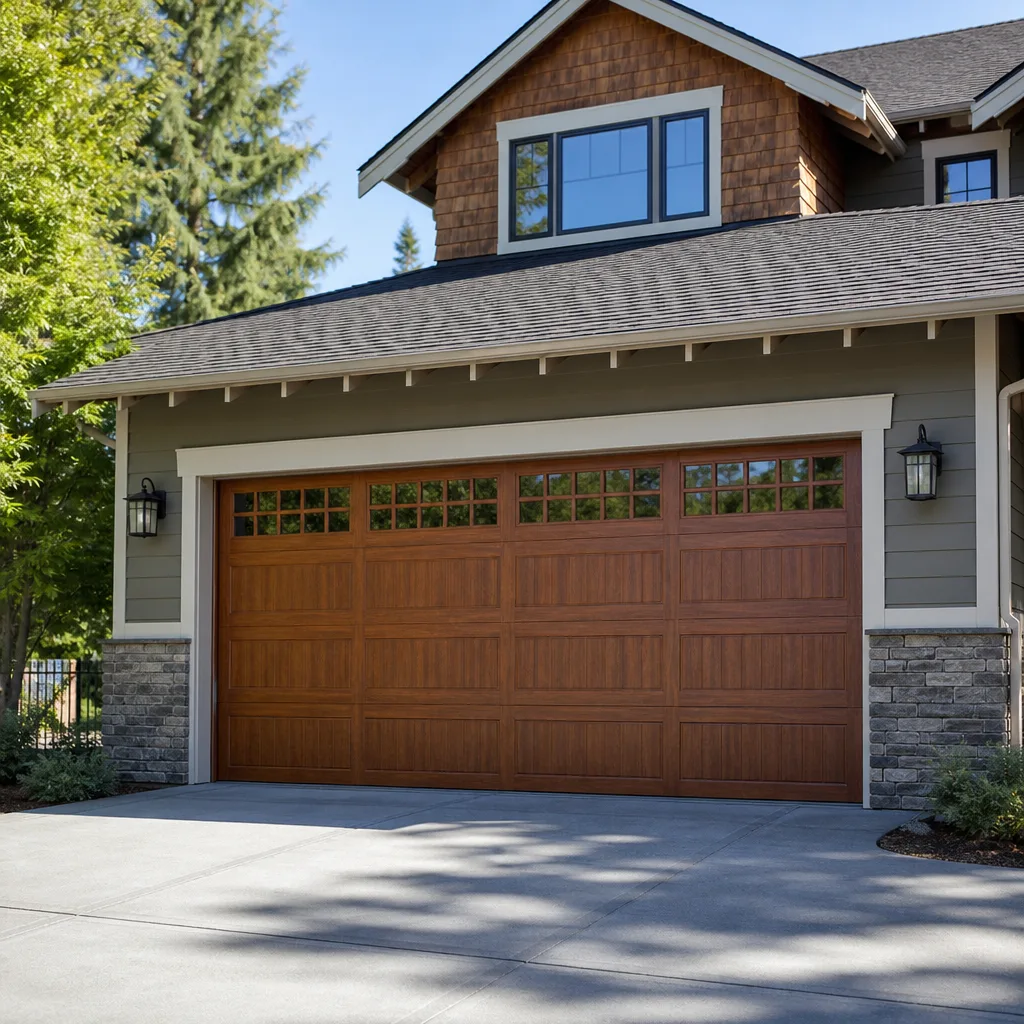 Chamberlain openers
Full 25-point door and opener safety check with every visit - springs, cables, rollers, tracks, and your LiftMaster or Chamberlain opener included
You get a price before we start. It does not change when the truck arrives.
Get your free estimateDIY vs Professional Garage Door: The Buena Park Homeowner’s Decision Guide
Most homeowners assume the DIY versus professional question comes down to mechanical skill. That framing gets it wrong. The real divider is which garage door tasks carry genuine injury risk or quietly void your equipment warranty, and which ones a careful person can handle with a $15 tool and twenty minutes on a Sunday morning. Plenty of Buena Park homeowners are perfectly capable of replacing weather seal or aligning a photo eye. Almost none should touch a torsion spring. This guide walks through the actual decision matrix: task by task, risk by risk, so you know exactly where the line sits and why crossing it costs more than you’d save.
Styles & brands we work with
- Raised-panel steel
- Carriage house
- Modern flush
- Full-view glass
- LiftMaster openers
- Chamberlain openers
Quick Answer
Most light maintenance on a garage door is safe for a Buena Park homeowner: lubrication, tightening bolts, replacing weather seal, and cleaning or realigning safety sensors. The hard line is anything involving torsion springs, lift cables under tension, or structural track work. Those three tasks carry real injury risk, require specialized tools, and can void your opener or door warranty if done wrong. The practical split: handle the low-risk upkeep yourself, call a licensed professional for springs, cables, and anything requiring a permit.
Table of Contents
- The Real Line Between DIY and Pro Work
- Task-by-Task Risk Matrix
- Why Torsion Springs Are the Hard Line
- Cables: the Second Non-Negotiable
- Sensors and Photo Eyes: Safe DIY Territory
- Weather Seal and Lubrication: the Low-Risk Wins
- Which Buena Park Permits Disqualify DIY
- How DIY Affects Your Warranty
- Common Mistakes to Avoid
- When to Call a Professional
- Frequently Asked Questions
- The Bottom Line
The Real Line Between DIY and Pro Work
The line isn’t about how handy you are. It’s about stored kinetic energy. A garage door is the largest moving object in most homes, and the springs that counterbalance its weight hold enough tension to move several hundred pounds. When that tension releases unexpectedly, it doesn’t ask about your experience level. The tasks that keep a door moving smoothly – lubrication, sensor alignment, bolt tightening – involve almost no stored energy. You can do those confidently. The tasks that involve the spring itself or the cables attached to it are a different category entirely.
In Buena Park, where many homes date to the 1950s and 1960s expansion, doors are often original or decades old. That means older spring designs, heavy wood doors, and hardware with years of wear. The age of your door matters more than your skill level. An old spring near the end of its life is already brittle; disturbing it during a well-intentioned repair is exactly when failures happen. We tell every homeowner the same thing: the safest DIY work on an older Buena Park door is the work that doesn’t touch loaded components.
Task-by-Task Risk Matrix
Here’s the breakdown most guides never give you: a per-task rating that separates real danger from ordinary inconvenience. Use this to decide what you’ll tackle yourself and what belongs on a professional’s schedule.
- Lubricating hinges, rollers, and springs: Low risk. No special tools. Spray lubricant, paper towel, ten minutes. Safe for any homeowner.
- Replacing bottom weather seal: Low risk. Pull out the old, slide in the new. The door stays in its tracks. No tension involved.
- Cleaning and realigning photo-eye sensors: Low risk. A soft cloth and gentle bracket adjustment. The beam either lines up or it doesn’t. No stored energy.
- Tightening loose bolts and brackets: Low to moderate risk. Most bolts are safe to snug. Skip any bolt on or near the spring anchor bracket. If it’s within six inches of the spring itself, leave it alone.
- Replacing a wall button or remote battery: Trivial and safe. This is opener-level work with no door movement required.
- Straightening a bent track section: Moderate to high risk. The track guides a heavy moving door, and bending it wrong creates the conditions for a derailment. A track that is visibly bent should be inspected; if the bend extends past the first bracket, hire a professional.
- Replacing extension springs: High risk. These are the older stretched springs along the side rails, and they are every bit as dangerous as torsion springs when the safety cable inside them is missing or broken. This is not a first DIY project.
- Replacing torsion springs: Highest risk. This one has a documented pattern of serious injury, and we discuss it in detail below. Never attempt without that discussion.
Why Torsion Springs Are the Hard Line
Torsion springs are the coiled springs mounted on a metal bar directly above your closed garage door. They do the heavy lifting. Your opener motor only assists; the springs carry the actual weight. A typical double garage door weighs between 130 and 400 pounds depending on material, and the spring is wound tight enough to offset that entire load. That stored energy is why this task is different.
When a torsion spring breaks, most people hear it. It sounds like a gunshot inside the garage, and it usually happens with the door down or closing. The mechanical reality is this: the spring is wound to a specific tension measured in quarter-turns, and replacing one means manually winding the new spring to that same tension while it is already under load. A slip of the winding bar at that tension throws hundreds of pounds of rotational force into whatever is in the way. The winding bars are steel rods about eighteen inches long. The tool itself becomes a projectile if the cone lets go. Even experienced tradespeople treat this job with respect, and the ones who have done it once usually become the first to tell homeowners not to try it.
There’s also a less visible cost to a DIY torsion spring job: calibration. The new spring must be sized to the exact weight of your specific door, not just the same diameter as the old one. A spring that’s too strong sends the door flying upward; one that’s too weak strains the opener motor and causes the cables to jump the drums. A professional brings a spring scale and the full range of wire sizes. You’d be guessing, and this is a bad place to guess.
For Buena Park homeowners, our garage door repair team works with this hardware every day. We see the aftermath of spring attempts gone wrong: bent winding cones, sheared set screws, and doors sitting crooked on one cable. None of those outcomes save money.
Cables: the Second Non-Negotiable
Lift cables are the braided steel lines that run from the bottom brackets of your door, up around the drums near the top, and attach to the spring assembly. They carry the door’s weight from the springs to the door itself. When a cable snaps, the door doesn’t fall straight down in most cases, but it does jerk violently to one side, and the remaining cable now carries the entire load. That’s a dangerous situation.
Replacing a cable looks deceptively simple. You see a cable. You see a drum. You figure you can unwind one and wind the other. What you don’t see is that the cable tension is tied directly to the spring tension. To safely replace a cable, the spring must first be unwound or released. That’s the exact same procedure as spring replacement, with the same risk profile. If you try to replace a cable without touching the spring, you’re working against loaded tension, and the cable will either defeat you or injure you trying.
We also see DIY cable jobs where the new cable isn’t seated properly in the drum groove. The door lifts crooked, the cable binds, and within a few cycles the new cable frays against the sharp edge of the misaligned drum. That’s a second failure for one repair, and it means paying for the pro anyway plus whatever damage the crooked operation caused to the track or panels.
Sensors and Photo Eyes: Safe DIY Territory
The photo-eye sensors sit about six inches off the ground on either side of your door opening. Their job is simple: they project an invisible beam across the opening, and if anything breaks that beam while the door is closing, the opener reverses course. When your door struggles to close or reverses immediately for no obvious reason, the sensors are the first culprit, and they’re one of the safest things on the entire system to service yourself.
Here’s a straightforward sequence that resolves most sensor problems in Buena Park garages:
- Check alignment. Each sensor has a small light. If one light is blinking or off, the beam isn’t reaching the other side. Gently nudge the sensor bracket until both lights are steady.
- Clean the lenses. Dust, spider webs, and the fine particulates that blow through this part of Orange County coat the lenses quickly. A dry microfiber cloth clears it.
- Inspect the wiring. A loose wire at the back of the sensor or a nick in the low-voltage line from the opener causes intermittent faults. If the wire is visibly damaged, that’s a $10 fix at any hardware store.
- Check for obstruction. Sometimes it’s a broom handle leaning against the rail or a box that slid under the door. Move the object, and the problem disappears.
If all four steps check out and the door still behaves erratically, the issue may be the opener’s logic board or the safety module inside the opener. At that point, you’re out of DIY territory and into garage door opener repair. We work on Genie and Chamberlain openers regularly, and a sensor fault that isn’t the sensor itself is usually diagnosed in one visit.
Weather Seal and Lubrication: the Low-Risk Wins
These two tasks deliver the most benefit for the least risk, and every Buena Park homeowner should do them on a schedule. The bottom weather seal is the rubber or vinyl strip that runs along the bottom edge of your door. It compresses against the garage floor to keep out dust, leaves, and the occasional lizard or mouse looking for shade in the hotter months. Over time it cracks, flattens, and leaves gaps you can see as light under the door.
Replacing it takes a pair of pliers and about twenty minutes. The old seal slides out of a channel along the bottom of the door. The new seal slides in. The door doesn’t need to be raised beyond a comfortable working height, and the springs are not involved. Just be sure to buy the right profile: round-bulb seals fit certain Clopay and Amarr door models, while T-style seals fit the aluminum retainers common on older Buena Park doors.
Lubrication is even simpler. Use a lithium-based spray or a garage-door-specific lubricant, never WD-40, which is a solvent that strips away existing grease. Spray the hinges, the roller bearings, and the torsion spring itself with a light coat. The spring doesn’t need a lot; a thin sheen prevents the coil surfaces from grinding against one another and helps prevent corrosion in the dry summer heat. Do this twice a year. That’s it.
The payoff is longer component life and a quieter operation, and you’ll notice the difference immediately on an older Wayne Dalton door whose rollers have been dry for years.
Which Buena Park Permits Disqualify DIY
Most simple repairs don’t require a permit. Replacing a sensor, a spring, a cable, or your weather seal is ordinary maintenance, and the city of Buena Park doesn’t require a building permit for it. The permit line appears when the work changes the structure or the opening itself. Adding a new garage door where none existed, widening or heightening the opening, or altering the header above the door all fall under structural changes that require a building permit from the city’s building department.
A full door replacement in an existing opening generally does not require a permit, but the electrical work connected to a new opener sometimes does, depending on how your circuit is wired. The practical advice: if you’re installing a new opener and running new wire to it, ask the building department whether that work falls under their electrical permit threshold. A quick phone call resolves it, and it’s faster than fixing an unpermitted installation when you eventually sell the home.
What all this means for the DIY question: any project that requires a permit is, by definition, no longer a DIY project in the eyes of the city. You cannot legally perform structural work on your own garage door opening, and doing so creates problems on resale disclosure forms. This is one of those automatic disqualifiers that has nothing to do with skill and everything to do with city code.
How DIY Affects Your Warranty
This is the part most YouTube tutorials skip. Your garage door opener carries a manufacturer warranty, typically five years to lifetime on the motor depending on the brand. That warranty covers defects in the opener itself. It does not cover damage caused by improper installation, unauthorized modification, or a door that’s out of balance. If your DIY spring replacement results in an unbalanced door that burns out your opener motor six months later, the manufacturer will deny the claim. The failure will be classified as consequential damage from the door, not a defect in the opener.
The same applies to the door itself. Clopay and Amarr doors carry material warranties, but a door damaged by a derailed track after a DIY track adjustment is not a warranty claim. It’s an installation error, and the manufacturer has no obligation to cover it.
Here’s how to verify before starting any DIY work:
- Pull your warranty paperwork or find the model number of your opener and door.
- Read the exclusions section. Look for language about “unauthorized service,” “improper maintenance,” or “installation by non-qualified persons.”
- If the work you’re considering touches springs, cables, or the opener’s internal components, assume the warranty excludes it unless the document says otherwise.
- When in doubt, call the manufacturer’s support line and ask directly. It takes five minutes and removes all ambiguity.
What’s safe under warranty: lubrication, weather seal replacement, cleaning sensors, and changing remotes or wall buttons. None of those involve opening the opener housing or altering the door’s balance, and no manufacturer will void a warranty over a sprayed hinge.
Common Mistakes to Avoid
- Using WD-40 on door hardware. It’s a solvent, not a lubricant. Buena Park’s warm dry climate already dries out roller bearings; WD-40 strips whatever lubrication remains and shortens component life.
- Winding a torsion spring without a spring scale. Matching the new spring to the old one by visual diameter alone is a guess. Doors with identical hardware can differ by 40 pounds or more, and the spring must match the actual lift weight.
- Replacing one cable without checking the other. Cables wear as a pair. The old cable looked fine until the new one changed the load distribution. Then the old one fails, and you’re back in the same spot with a crooked door.
- Assuming a blinking sensor means the sensor is dead. More often than not, a blinking light means misalignment or a dirty lens. New sensors are cheap, but the problem usually isn’t the sensor hardware. Diagnose before replacing.
- Skipping the permit question on a door opening change. Structural work without a permit is the kind of thing that surfaces during a home inspection and kills a sale. Ask first.
- Treating an extension spring as a safer alternative to torsion springs. Extension springs stored on older Buena Park garage doors are under immense tension when the door is down, and the safety cable inside them is often missing. Never remove one without knowing whether the cable is present.
- Ignoring a door that’s progressively harder to lift. That’s often the first sign of a weakening spring. If you need to manually lift the door and it feels heavier than it did last year, don’t wait for the spring to snap. A replacement handled on your schedule is cheaper and safer than an emergency call.
When to Call a Professional
Call a professional when the task involves a torsion spring, a lift cable, a bent track section, an opener that needs electrical repair, or any job that requires a permit. Those are the non-negotiables, and the reasoning is mechanical, not gatekeeping. The tools, the calibration, and the risk profile all sit outside what a homeowner should reasonably take on.
You should also call when the problem is a door that’s become unreliable in ways you can’t pin down: it stops mid-travel, reverses unpredictably, groans louder than it used to, or the opener runs but the door doesn’t move. Those symptoms point to a mechanical or electrical issue that gets more expensive the longer it runs unrepaired. Hampton Garage Door Service offers free estimates in Buena Park. Call (877) 265-9147 and describe what you’re seeing. We answer 24/7. Fast dispatch from 7am to 7pm, Sunday through Friday.
Frequently Asked Questions
Torsion springs are the one task we tell every homeowner to leave alone, regardless of skill level. The stored tension in a wound spring is enough to cause serious injury if the winding bars slip, and the job requires specialized bars and a spring scale for correct sizing. The cost of hiring a professional for spring replacement is far less than the cost of an injury. Call (877) 265-9147 for an exact quote, estimates are free.
Lubricating hinges and rollers, replacing the bottom weather seal, cleaning and realigning photo-eye sensors, tightening non-spring bolts, and changing remote batteries are all safe for a careful homeowner. These tasks involve no stored spring tension and no structural changes to the door. Keep a lithium-based lubricant on hand, not WD-40.
The cost depends entirely on the component and the door. A weather seal replacement is a low-cost service call, while a torsion spring replacement runs higher because it involves both the part and the winding labor. Every job at Hampton Garage Door Service is priced by written estimate before work begins, so the number you see is the number you approve. Call (877) 265-9147 for an exact quote on your specific issue.
It depends on the work. Maintenance tasks like lubrication and seal replacement won’t void any warranty. But if a DIY repair causes damage, such as an unbalanced door that burns out the opener motor, the manufacturer will likely deny the claim as consequential damage from improper service. Read your warranty exclusions before touching springs, cables, or the opener internals.
Not for a straightforward replacement in the same opening. A permit enters the picture when the work is structural: widening the opening, adding a door where none existed, or altering the header. When the work requires a permit, it also requires a licensed contractor. Ask the city’s building department before starting any project that changes the opening itself.
Most repair calls we handle are completed the same day. We carry parts for the brands we service, including Genie and Wayne Dalton openers, so common repairs don’t wait on shipping. Call (877) 265-9147. We answer 24/7. Fast dispatch from 7am to 7pm, Sunday through Friday.
The Bottom Line
The DIY versus professional question resolves to one simple filter: is there stored energy in the component you’re touching? If the answer is no, you can probably handle it. Lubricate, seal, clean, tighten. If the answer is yes, and that means springs and cables, the math almost never works in favor of the homeowner. The risk of injury, the specialized tools, the warranty implications, and the permit rules each point the same direction. For everything else, a phone call gets you a written estimate and a clear picture of the cost before you commit. That’s a better use of a Buena Park afternoon than guessing on a spring.
Written by the team at Hampton Garage Door Service, serving Buena Park since 2015.
See the difference
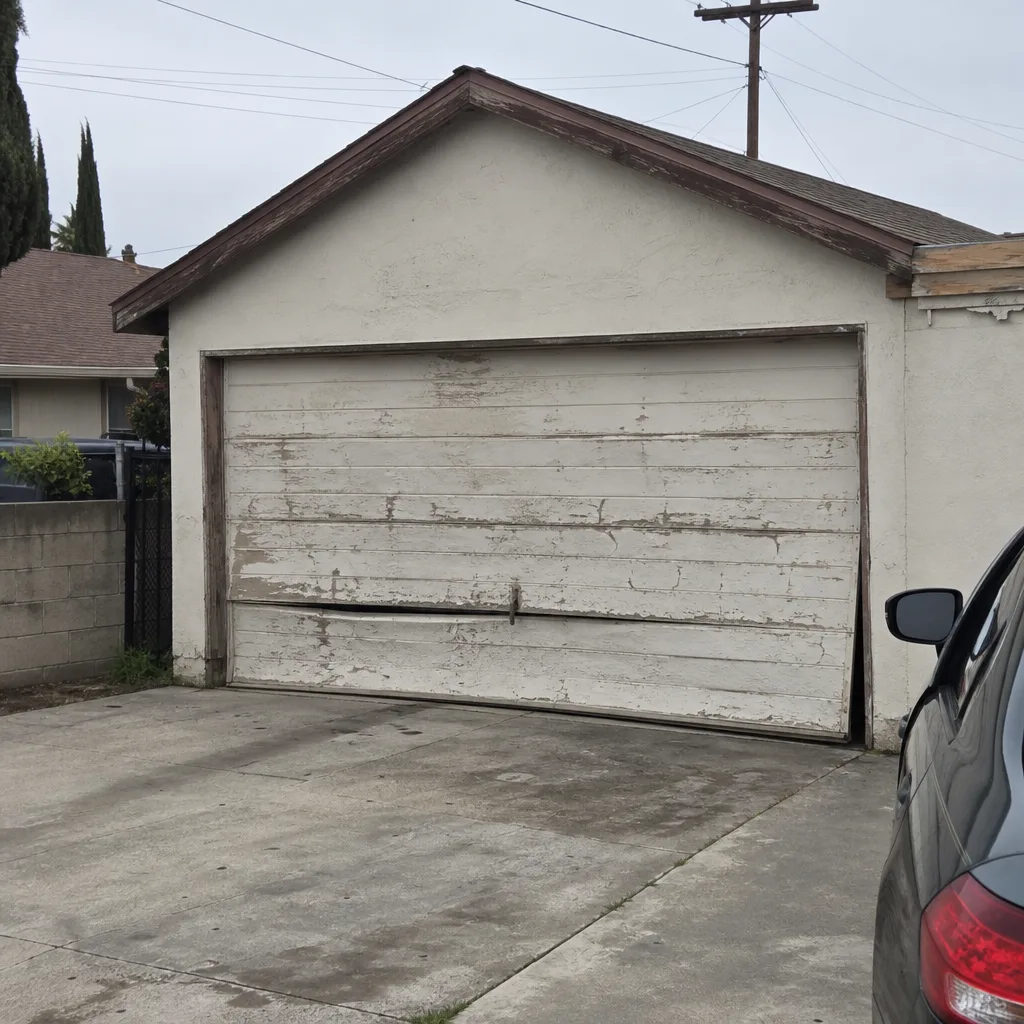 Before
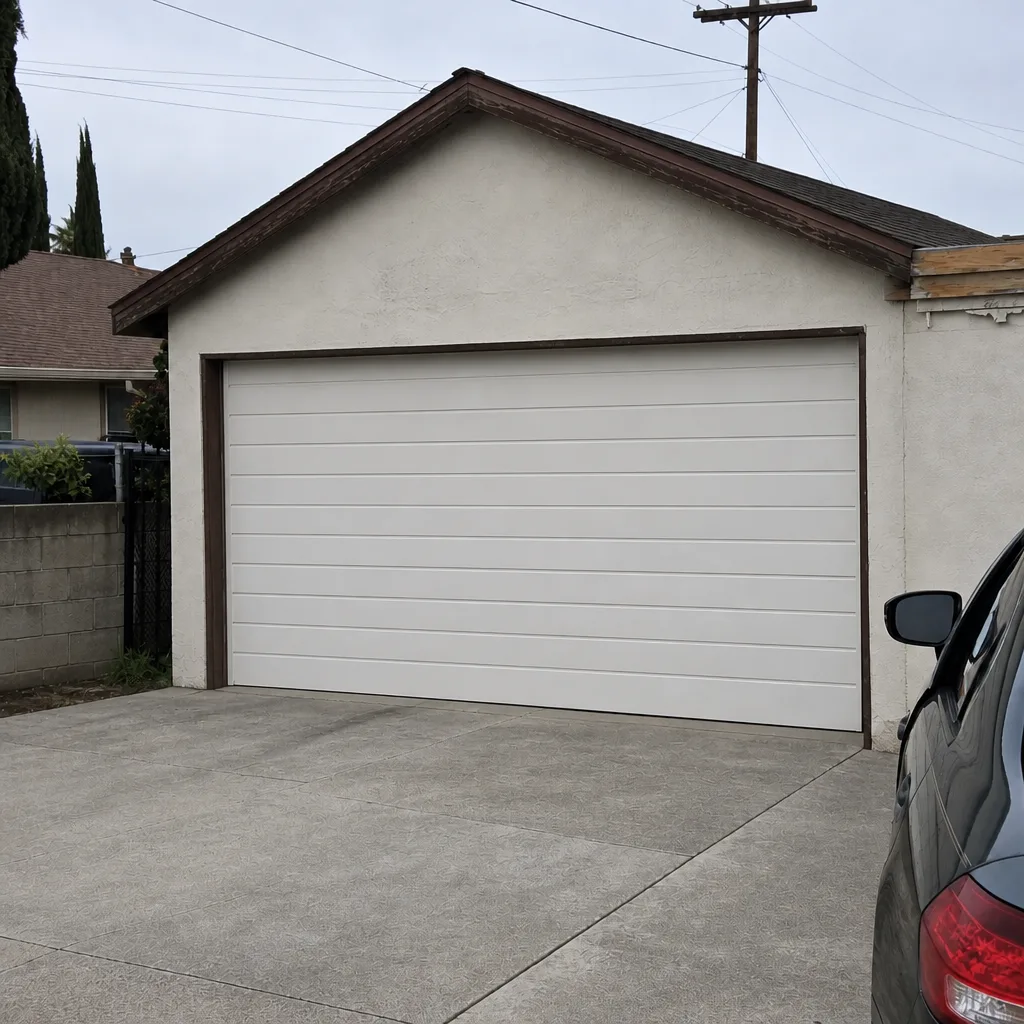 After
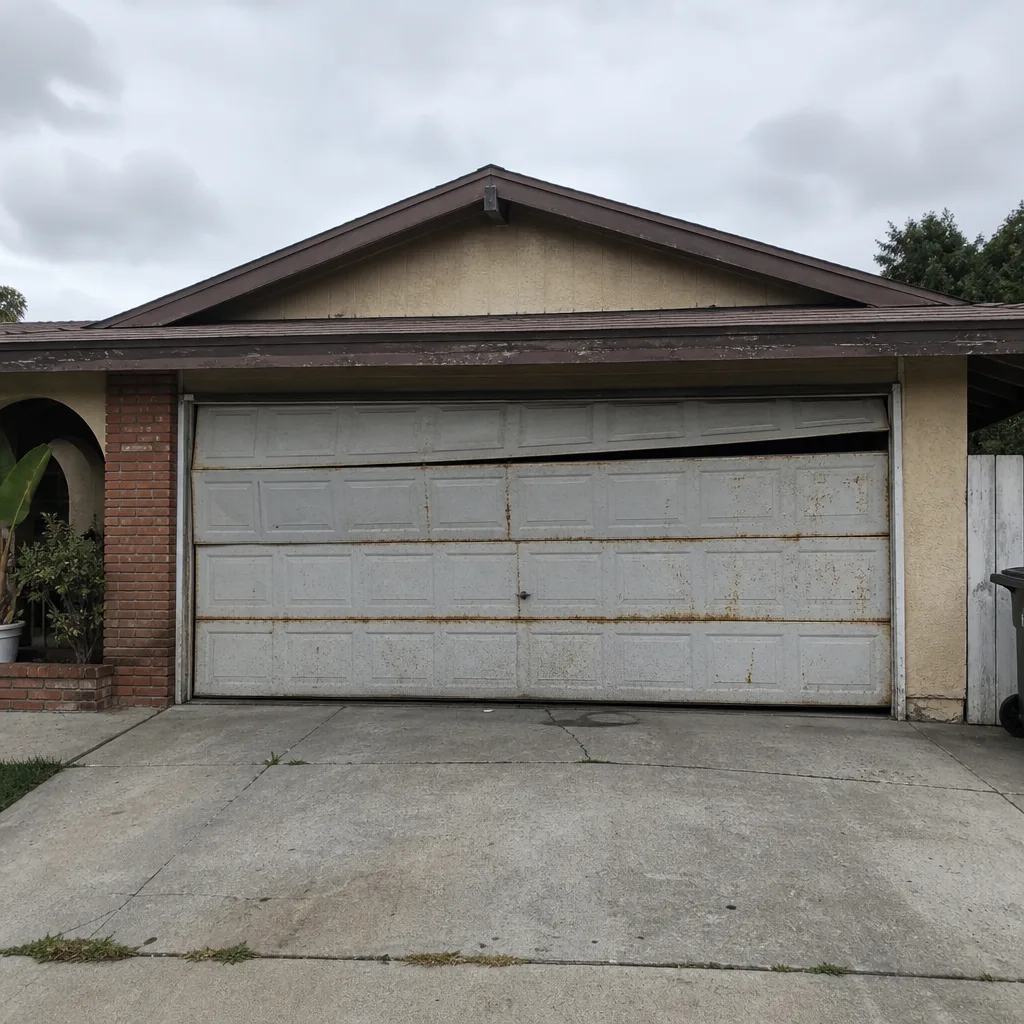 Before
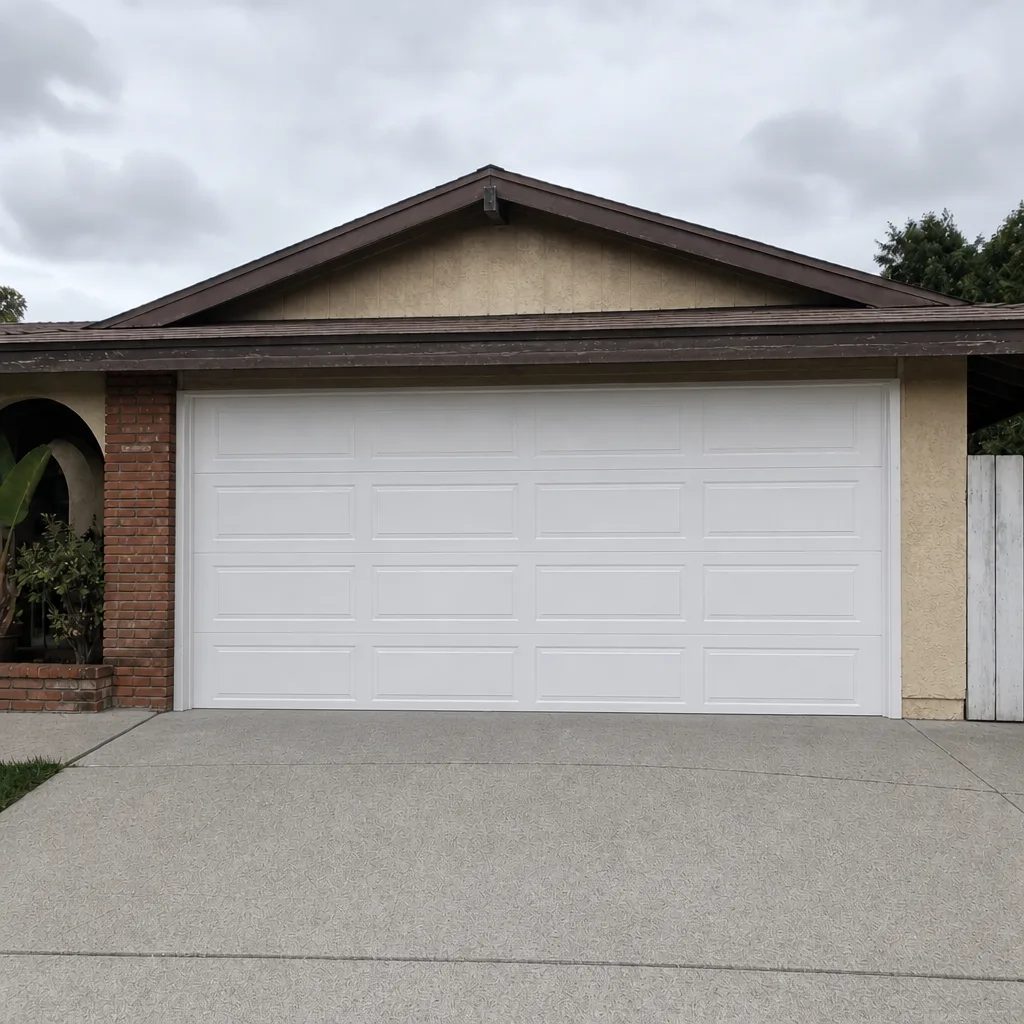 After
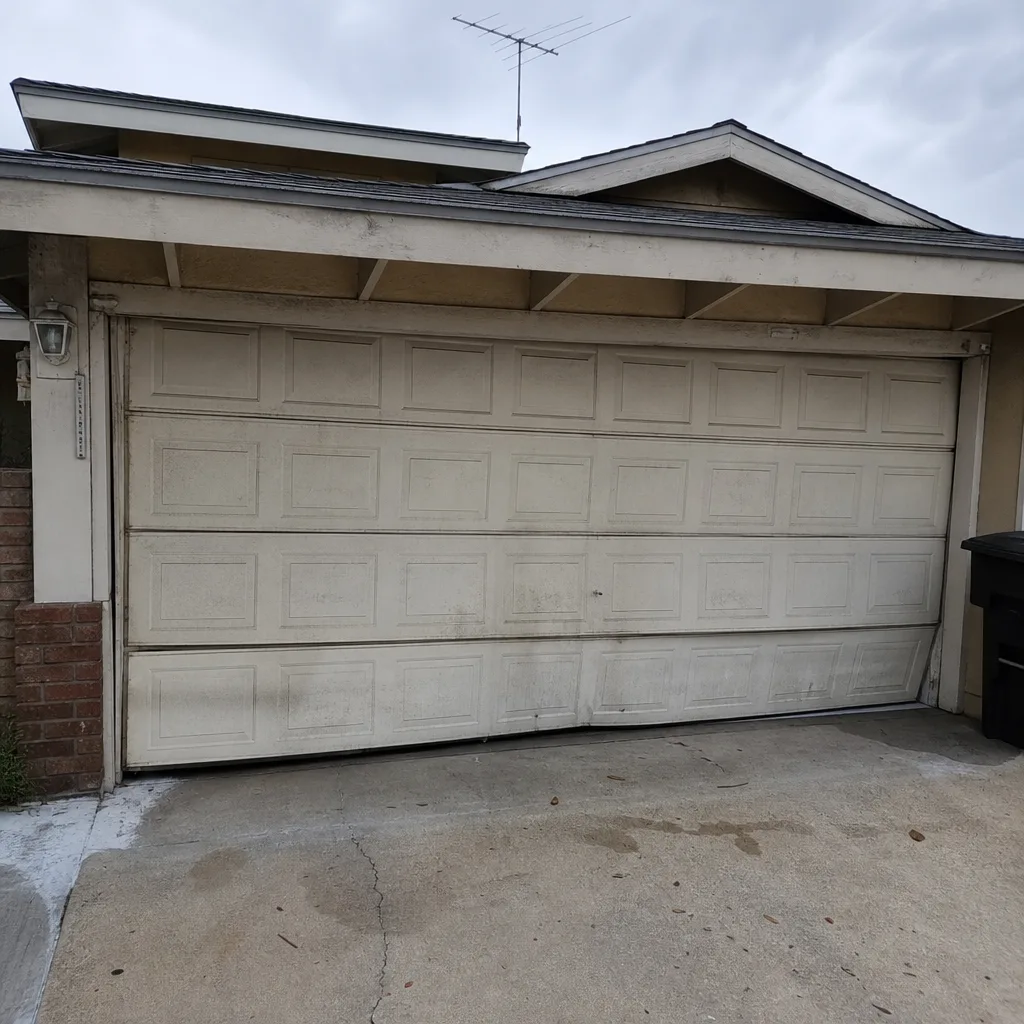 Before
 After