
Last updated November 4, 2026
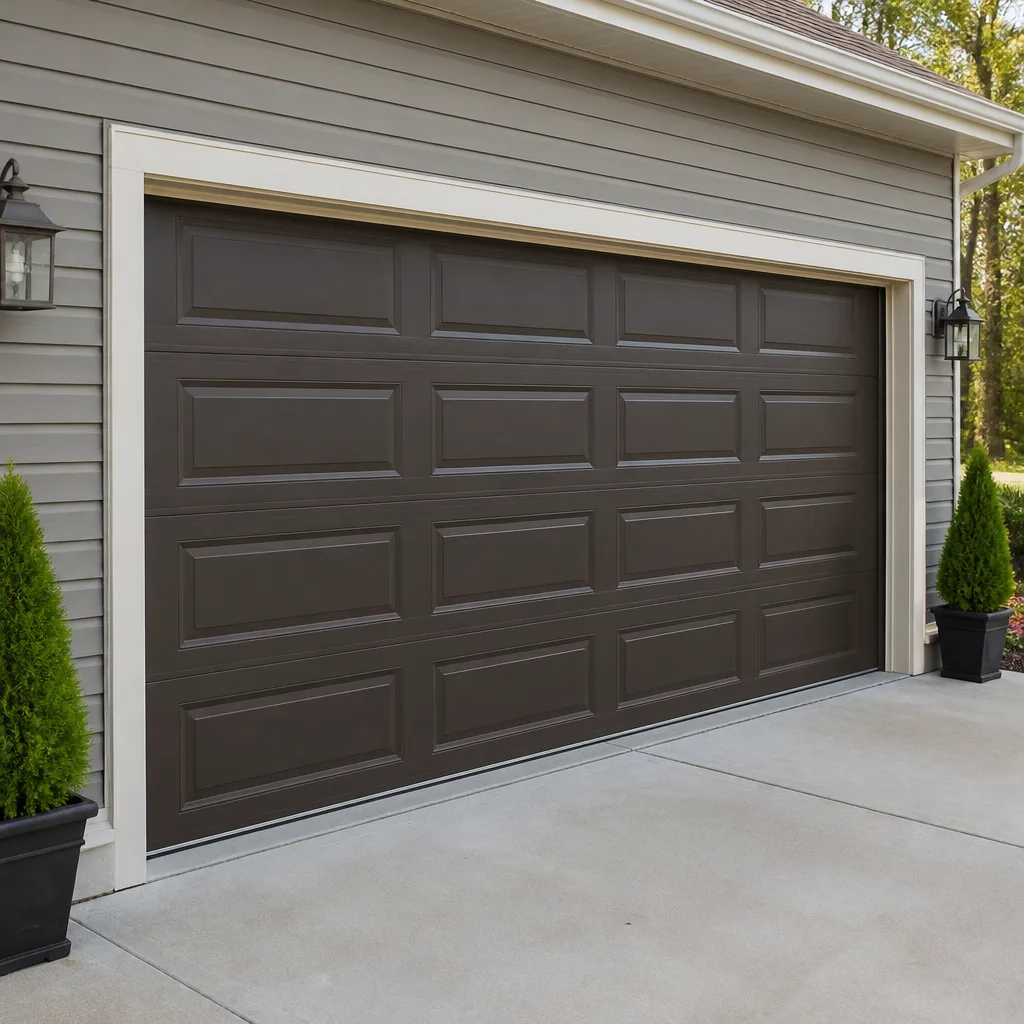 Raised-panel steel
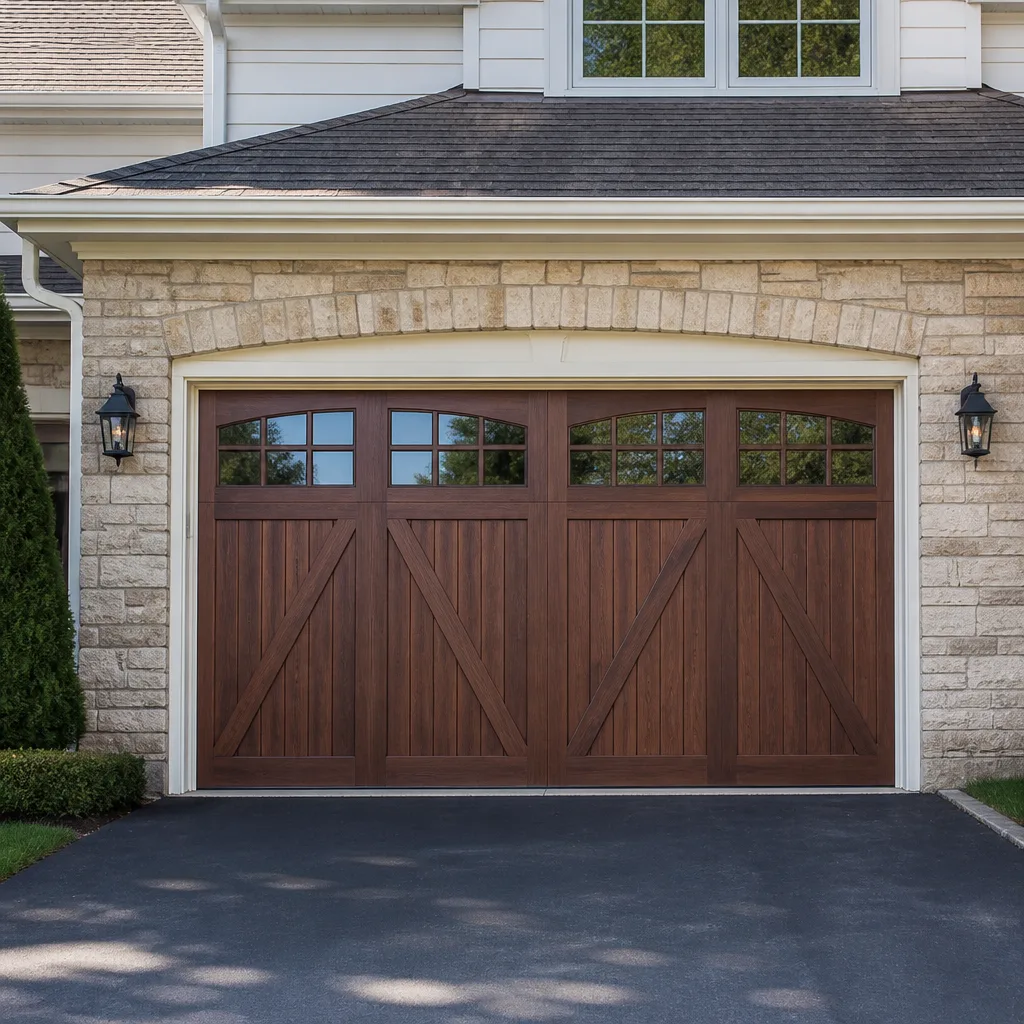 Carriage house
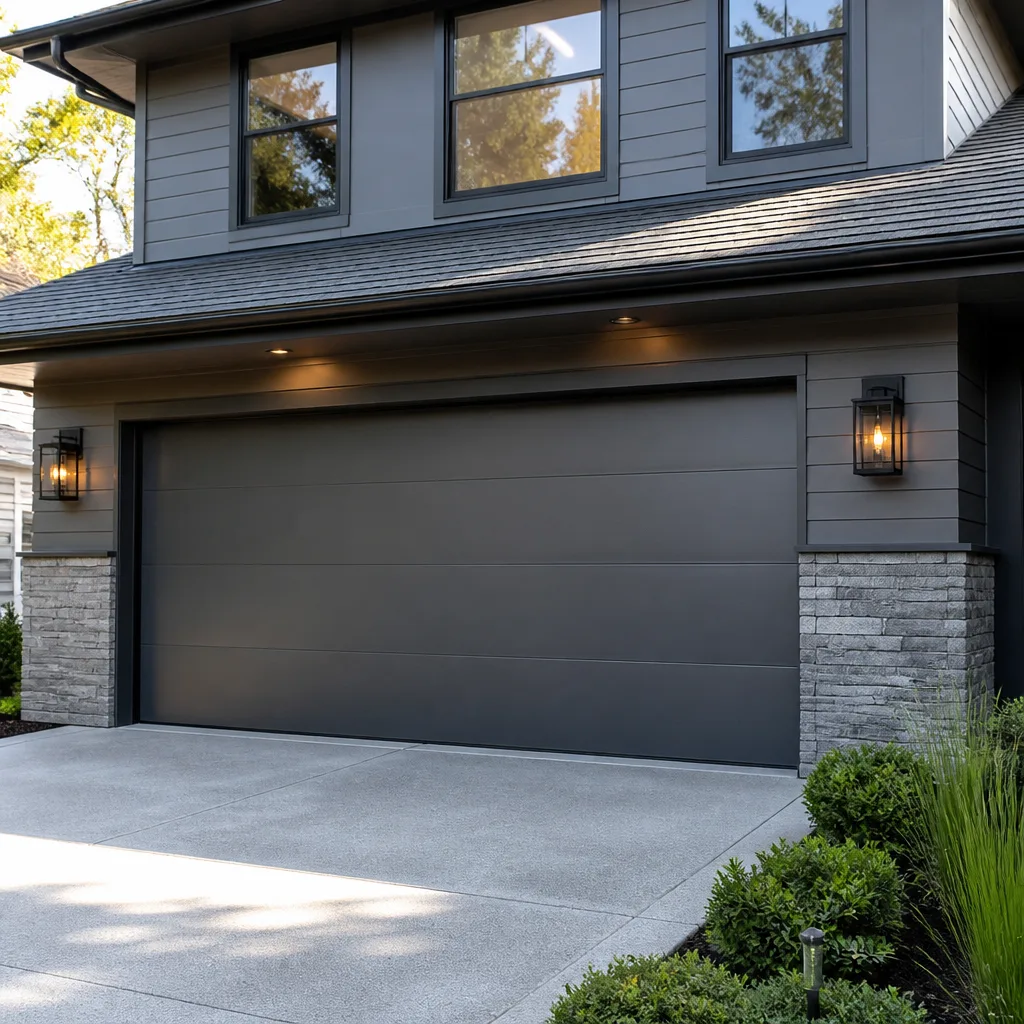 Modern flush
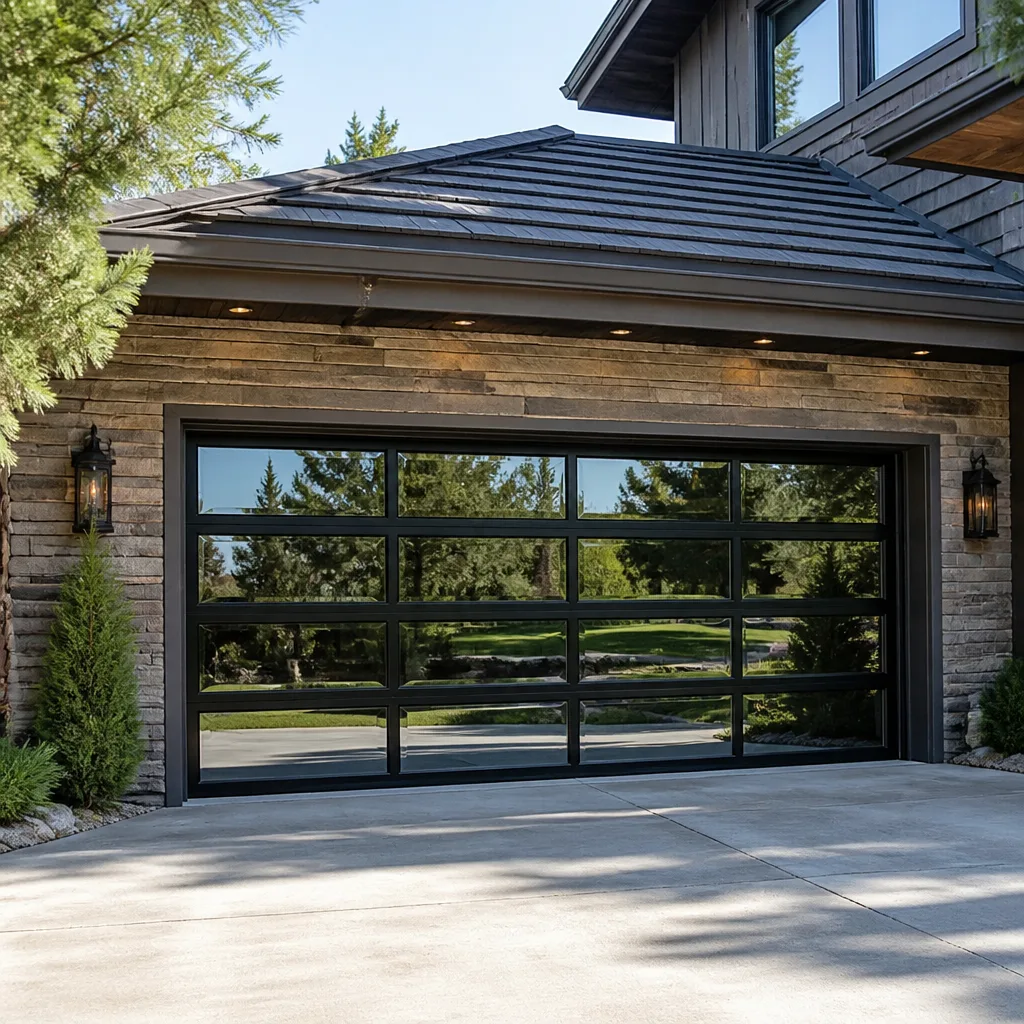 Full-view glass
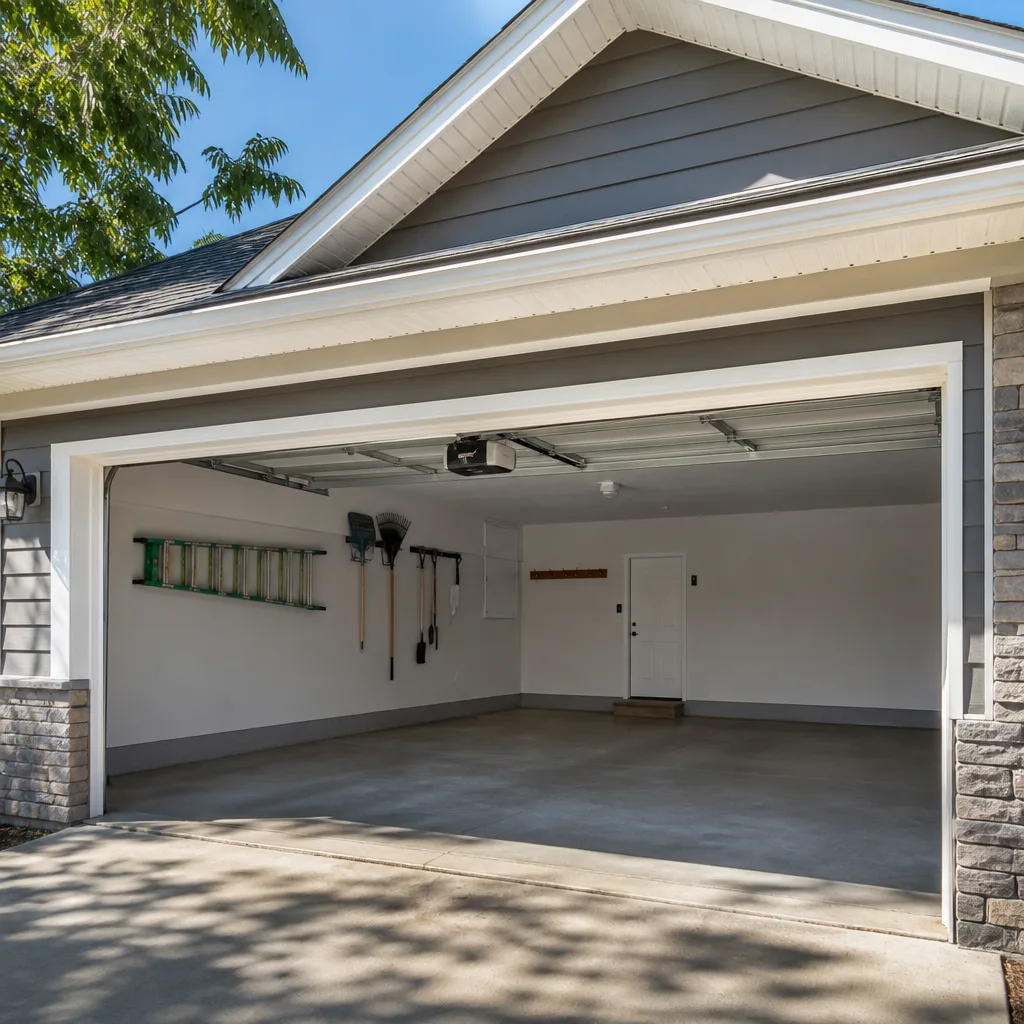 LiftMaster openers
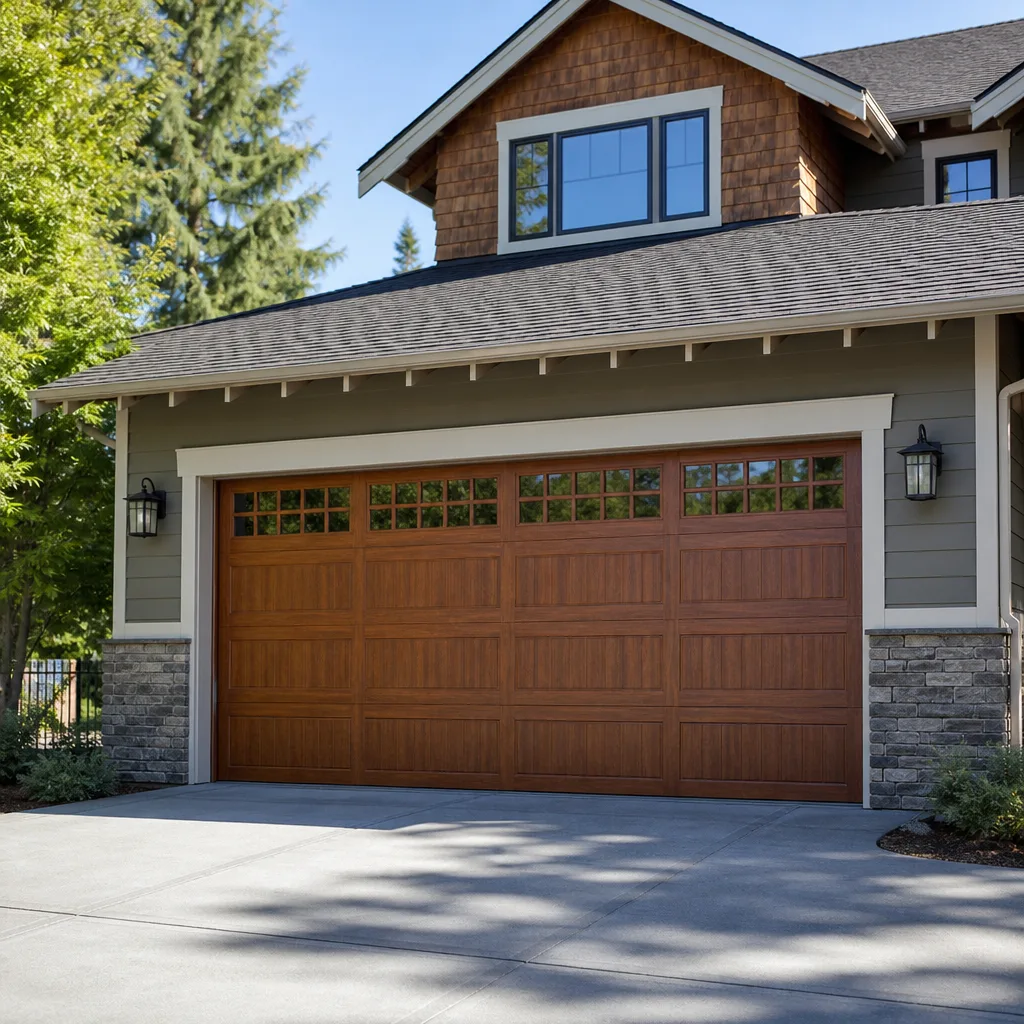 Chamberlain openers
Full 25-point door and opener safety check with every visit - springs, cables, rollers, tracks, and your LiftMaster or Chamberlain opener included
You get a price before we start. It does not change when the truck arrives.
Get your free estimateGarage Door Warning Signs: A Buena Park Homeowner’s Reference Guide
Most Buena Park homeowners believe garage doors break suddenly. In our experience, that’s almost never how it happens. A door that “just snapped” usually spent the previous month announcing the failure through a sequence of noises, hesitations, and visible misalignments. The grinding you’ve been hearing isn’t the opener motor complaining about its job. It’s more often a worn roller bearing transferring load to places the track was never designed to carry. Learn to read the signals, and you trade an emergency call for a scheduled repair.
Quick Answer
The warning signs that mean your garage door needs repair fall into eight categories: grinding or screeching, a door that hesitates when reversing, visible cable fraying, a door that sags on one side when open, slow response to the opener, shaking during travel, unbalanced movement when operated manually, and a monthly energy bill creeping upward without explanation. Any one of them is worth a call. Two or more usually mean a component is near failure.
Styles & brands we work with
- Raised-panel steel
- Carriage house
- Modern flush
- Full-view glass
- LiftMaster openers
- Chamberlain openers
Table of Contents
- Noise That Changed Pitch or Volume
- The Door Hesitates or Reverses Mid-Travel
- Cable Wear You Can See From the Ground
- A Door That Sags When Open
- The Opener Responds Slower Than It Used To
- Shaking, Shuddering, or Visible Wobble
- The Manual Balance Test Fails
- Energy Bills Climb and the Garage Stays Warm
Noise That Changed Pitch or Volume
A garage door repair call often starts with a homeowner describing a noise that “wasn’t there before.” That’s the useful detail. Garage doors make some noise by nature, but a change in pitch, volume, or rhythm is a mechanical signal. A rhythmic squeak that matches the speed of the door usually points to a roller bearing. A sharp metallic scrape suggests the track or a hinge. A rumble that happens only at the end of travel often traces back to a spring losing tension. The specific sound points to the specific fix. For homeowners, the job isn’t to diagnose so much as to notice the change early.
We work across eight major manufacturer lines, and the sound profile differs by brand. An Amarr door tends to telegraph roller wear as a higher-pitched chirp because of its roller spacing. A Wayne Dalton door with its enclosed track can hide early cable wear behind a plastic cover, so the first audible hint is often a lower groaning sound from the bottom bracket. Craftsman openers, common in Buena Park homes built in the late 1990s, make a distinctive clunk when the drive gear begins to strip. Knowing these profiles means faster diagnosis.
The Door Hesitates or Reverses Mid-Travel
When a door pauses on the way down and then reverses as if it hit something, most homeowners assume the safety sensors are misaligned. Sometimes that’s true. But a door that hesitates on the way up is almost never a sensor problem. Upward hesitation means the motor is working harder than it should against a counterbalance system that’s lost its ability to help. The springs are weakening. The opener is now lifting a heavier share of the door’s true weight. This is a warning sign that a spring failure is approaching, and it usually arrives weeks before the snap.
Buena Park homes with attached garages experience this in a specific way. The kitchen is often directly above or beside the garage, so homeowners notice the opener strain as a vibration through the wall during the morning routine. Detached garages in older neighborhoods near Beach Boulevard hide the symptom longer because there’s no shared wall to transmit the struggle. If your remote used to lift the door in eight seconds and now takes twelve, the issue is rarely the remote battery.
Raynor doors, known for heavier gauge steel in some models, are more forgiving of spring wear because the opener was sized for the load. But that also means the wear is harder to feel through the wall. By the time a Raynor door hesitates, the spring has often degraded further than a homeowner expects. The takeaway: don’t wait for the reversal to become a refusal.
Cable Wear You Can See From the Ground
Most garage door cables are visible at the lower corners of the door. You don’t need to climb anything to inspect them. Look for the small fibers near the bottom bracket where the cable wraps. A few loose strands suggest abrasion. A kink or a rust-colored stain at the loop means moisture has been at work. Any of these means the cable should be replaced before it fails under tension. A cable snap while the door is open drops the door hard, which is why cables are not a DIY component.
The Buena Park climate plays a role here. Warm, dry summers are kind to steel, but the winter months bring cool, damp mornings. Condensation collects on the lower brackets of attached garages where the water heater lives. That microclimate accelerates corrosion at the cable base even when the rest of the door looks clean. A homeowner who greases the rollers every year but ignores the cable ends is treating half the system.
Hampton Garage Door Service carries the replacement parts for the brands we service, including Amarr and Wayne Dalton cables, so a cable replacement doesn’t wait on shipping. The repair itself is routine for us. The danger is in ignoring what the cable is telling you.
A Door That Sags When Open
Open the door halfway and look at the gap under the door while it’s parked there. If one side is lower than the other, the springs aren’t sharing the load equally. Sometimes the difference is a quarter-inch, sometimes more. A sagging door means one side of the counterbalance system is working harder than the other. That strain travels through the cables into the bottom brackets and into the door’s vertical stiles. The longer it runs, the more expensive the eventual repair becomes.
This warning sign is easier to catch on detached garages in Buena Park because there’s usually enough daylight on all sides to see the silhouette. Attached garages hide it in shadow, which is why we suggest using the shadow cast on the driveway as a level reference. The shadow won’t lie the way an eyeball will.
A sag indicator on a Wayne Dalton door often shows up first as a diagonal crease in the lower panel. On an Amarr door, the weatherseal at the bottom wears faster on the high side because that corner drags first on the concrete. Neither brand is fragile. Both are telling you the same thing through different clues.
The Opener Responds Slower Than It Used To
Ceiling-mounted openers lose speed for two reasons: the motor is aging under load, or the load itself has grown. A garage door opener repair call reveals which one it is in about ten minutes of testing. When a Craftsman or Raynor opener from the 2000s struggles to lift a door that used to move briskly, the first thing we check is the spring tension, not the motor. Weak springs make a healthy motor look sick. Replacing the opener without fixing the springs leads to the same slow performance on new equipment.
Buena Park homes near the 5 and 91 freeways collect fine dust faster than homes further from the corridor. That dust finds its way into the opener’s drive assembly. A lead screw or chain drive that hasn’t been cleaned in years fights its own friction. Slow response can also come from the remote signal path: older openers with fixed-code receivers are more prone to signal drift. If the wall button works instantly but the remote delays, the problem is likely the remote or receiver, not the door.
We can often isolate opener-side issues from hardware-side issues in a single visit because the testing sequence is the same one we’d walk a homeowner through over the phone. The opener runs the door while we watch. The door runs manually while we listen. Clues separate quickly for someone who does this every day.
Shaking, Shuddering, or Visible Wobble
A door that shakes during travel is either loose or unbalanced. Loose means bolts and brackets have worked free over years of vibration. Unbalanced means the springs aren’t lifting equally. The difference matters because the fix is different. A shaking door left alone will eventually work a track bracket loose from the wall, and a door that jumps the track is a genuinely dangerous failure.
The roller type matters here. Older Buena Park homes with original steel rollers without bearings create more vibration than modern nylon rollers. The vibration gets transmitted to the hinge screws, which back out gradually. A homeowner who notices one hinge screw sticking out a quarter-inch more than its neighbors is looking at the early stage of this failure. Tightening it is part of the fix, but not the whole fix. The underlying cause of the shaking still needs attention.
We mention this because the visible wobble often appears a month or more before a track failure. That’s the window for a scheduled repair instead of an emergency call. Hampton Garage Door Service serves homeowners across Buena Park, and we’d rather replace worn rollers and tighten brackets than reset a derailed door.
The Manual Balance Test Fails
Pull the red release handle while the door is down. Then lift the door manually to the halfway point and let go. A properly balanced door stays roughly where you left it. A door that falls has weak springs. A door that flies up has over-tightened springs, which is rare but happens after a homeowner adjustment. Either way, the balance test is the single most reliable way to confirm a spring problem without tools.
This test is worth doing twice a year in Buena Park, and fall is the best season for it. The cooling trend in late October changes the metal temperature slightly. Springs that are marginal in summer can show their weakness in the milder weather. Testing then gives you a repair window before the holiday season arrivals and departures.
One safety note: never attempt to adjust the springs yourself. The high-tension springs on an overhead door store enough energy to cause serious injury. The balance test is safe because you’re only lifting the door. The repair itself is a job for a trained technician. We carry the replacement springs for the brands we service on the truck, so the fix happens in one visit.
Energy Bills Climb and the Garage Stays Warm
Garage doors don’t consume energy, but they influence how much the rest of the house consumes. An attached garage is a buffer zone between the living space and the outdoors. When the weatherseal at the bottom of the door is compressed, cracked, or missing chunks, the garage temperature drifts. That drift forces the water heater to work harder, it steals conditioned air from the house through the shared wall, and it shows up as a gradual bill increase.
The connection to mechanical warning signs is that the same neglect that wears out a weatherseal often wears out the rollers and hinges. A door that closes hard enough to flatten the seal is a door with worn rollers or a misaligned track. The seal is the symptom, but the cause is mechanical. Replacing the seal alone treats the visible issue without fixing the alignment problem that will ruin the new seal in a season.
Buena Park summers put real strain on west-facing garage doors. The afternoon sun heats the panel faces and the weatherseal. The seal dries and cracks where the door meets the concrete. A homeowner who replaces it every few years is doing the same preventive work as replacing windshield wipers before the rain. It’s not glamorous, and it prevents the larger problem.
How to Tell Hardware From Opener Problems Without Touching Anything
Most homeowners can’t tell whether the noise or hesitation is coming from the opener or the door hardware. Here’s a simple sequence you can run from the interior wall button. First, cycle the door and listen for where the sound originates. Sounds from above your head are usually opener-side. Sounds from eye level or lower are door-side. Second, pull the release handle and lift the door manually about three feet. If manual lifting is smooth and quiet, the opener is the likely culprit. If manual lifting is rough, the hardware is the problem. Third, note when the issue happens. A door that grinds only in the last foot of travel is often a track or roller issue. One that strains all the way up is usually spring or opener load.
This matters because the repair path is different. Opener-side issues go to garage door opener repair. Hardware-side issues go to garage door repair. Knowing the difference saves you from paying for the wrong diagnosis, and it gives our technicians a head start before the truck arrives.
Warning Signs That Mean Stop Using the Door
Some signs allow you to keep using the door carefully while you schedule a repair. Others mean stop using it now. A frayed cable that’s lost more than a third of its strands is a stop sign. A door that’s come off one side of the track is a stop sign, even if it still moves. A spring that snapped while the door was up is a stop sign. A door that sat half open and then dropped quickly during the balance test is a stop sign.
We say this because continuing to use a door with a compromised cable or spring puts the entire weight of the door on the remaining components. A double-wide door on an attached Buena Park garage can weigh 350 pounds or more. That kind of load failing without warning is a serious safety risk. The right move is to leave the door closed, leave the vehicle outside if needed, and call a professional. Call (877) 265-9147. We answer 24/7. Fast dispatch from 7am to 7pm, Sunday through Friday.
Warranty Documentation: What to Record Before You Call
Opener warranties often cover the motor, drive, and logic board for set periods. Door warranties cover panels, springs, and hardware under specific conditions. The common requirement across all of them is documentation of the failure. Before you call for service, take photos or a short video of the warning sign. A video of the door shaking during travel is more useful than a written description. A photo of the frayed cable before anyone touches it protects your claim. Note the date you first noticed the symptom, even approximately.
For openers from Craftsman or Raynor, the warranty claim usually requires the model number and approximate installation date. The model sticker is on the back of the motor unit. A photo of that sticker now saves a ladder trip later. We help Buena Park homeowners process warranty claims regularly, and the documentation gap is the most common reason a claim stalls.
See the difference
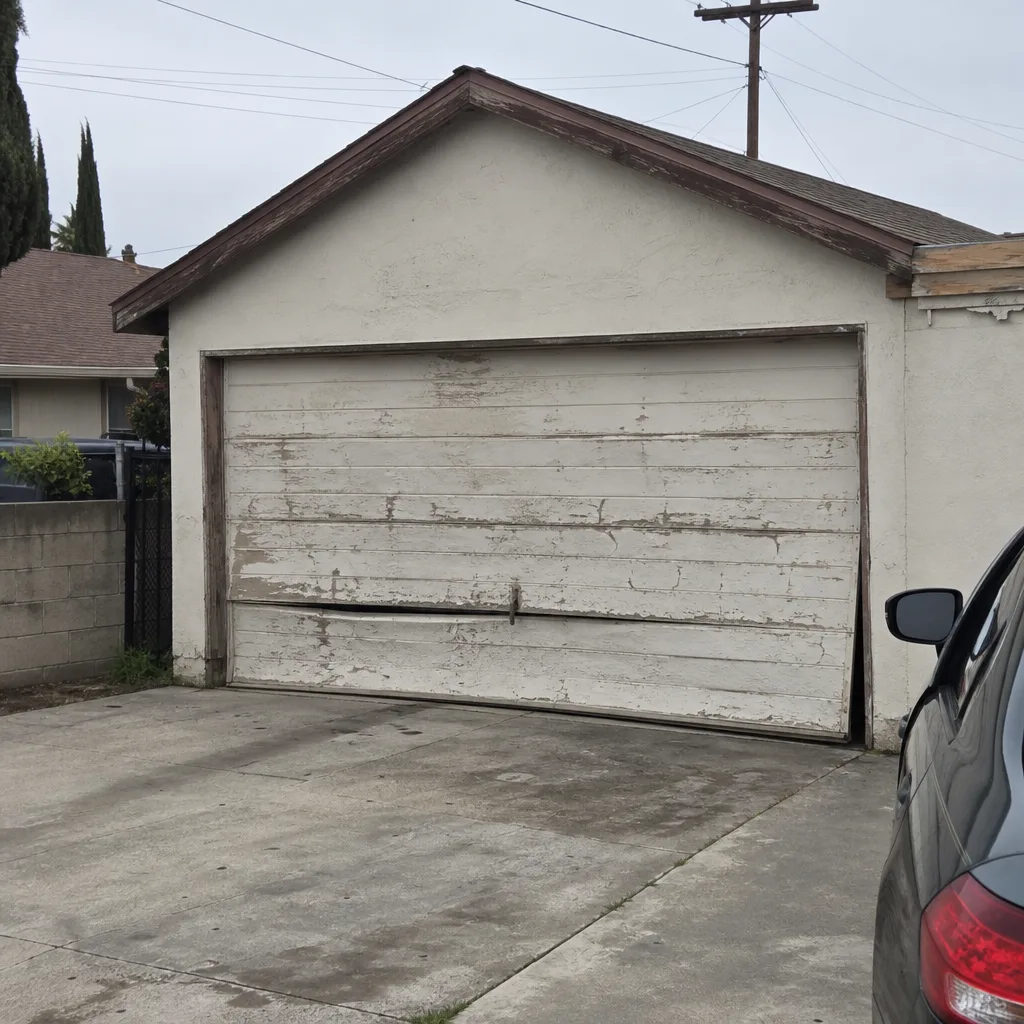 Before
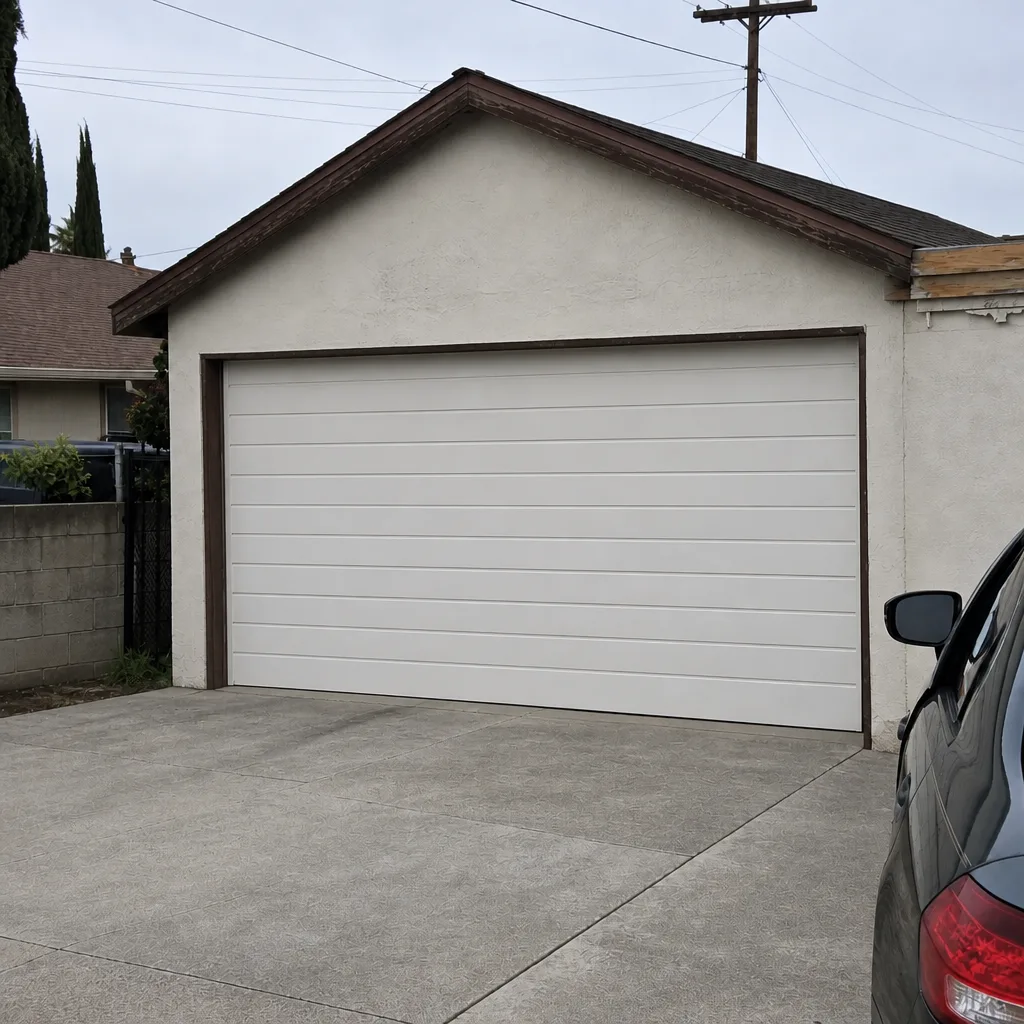 After
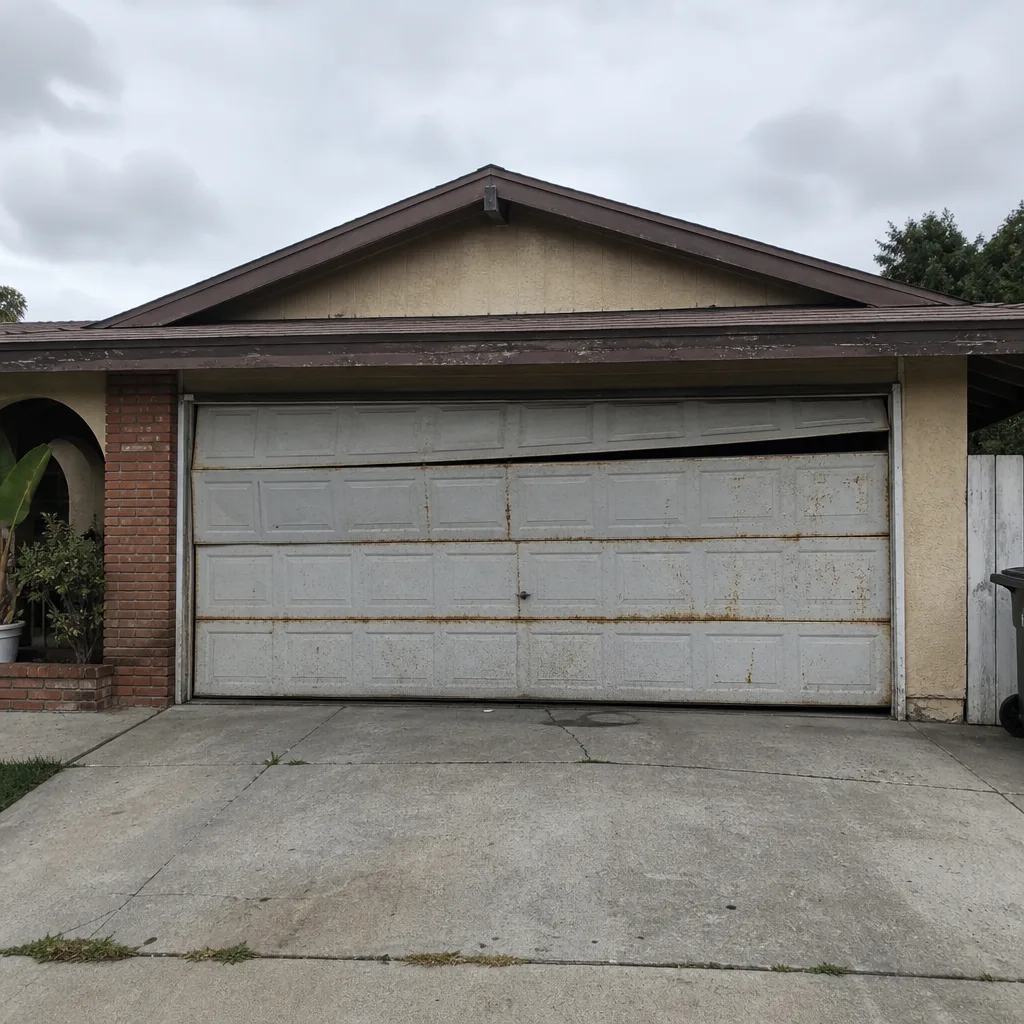 Before
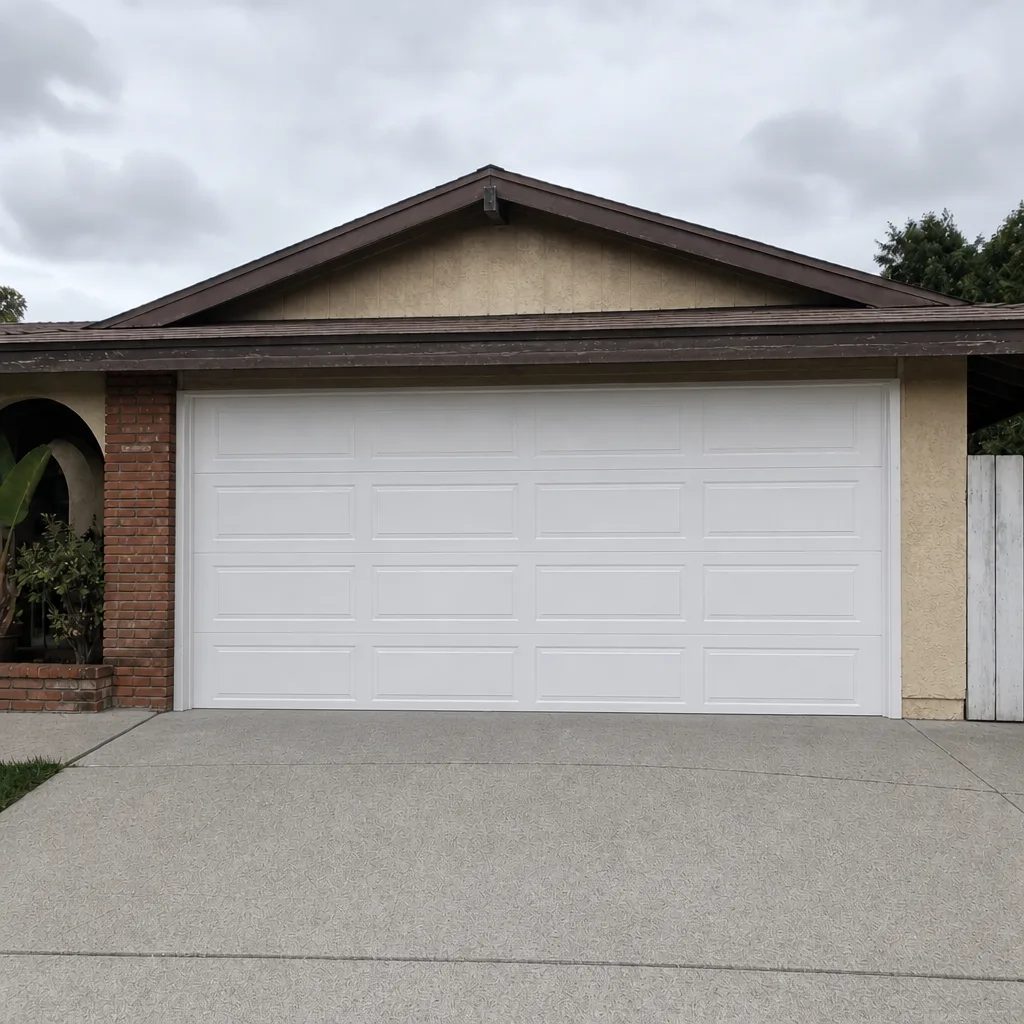 After
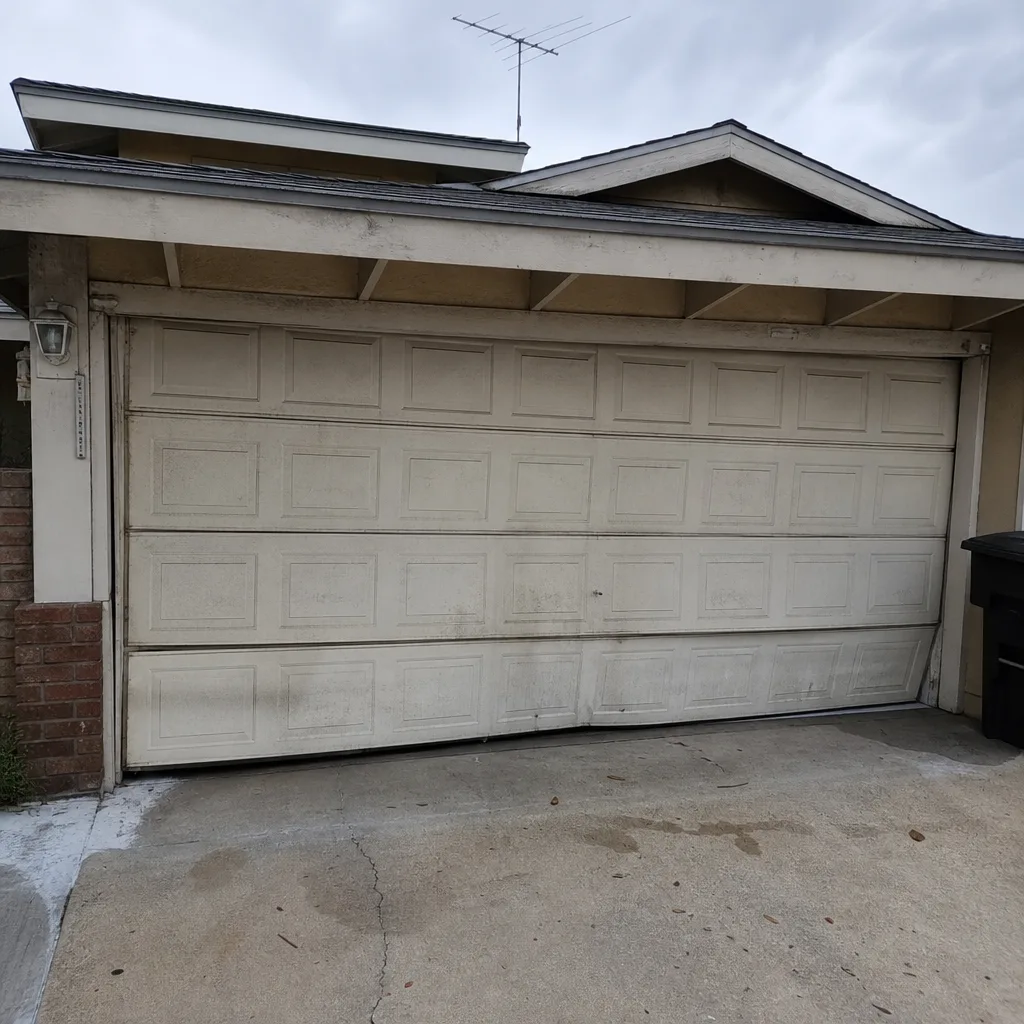 Before
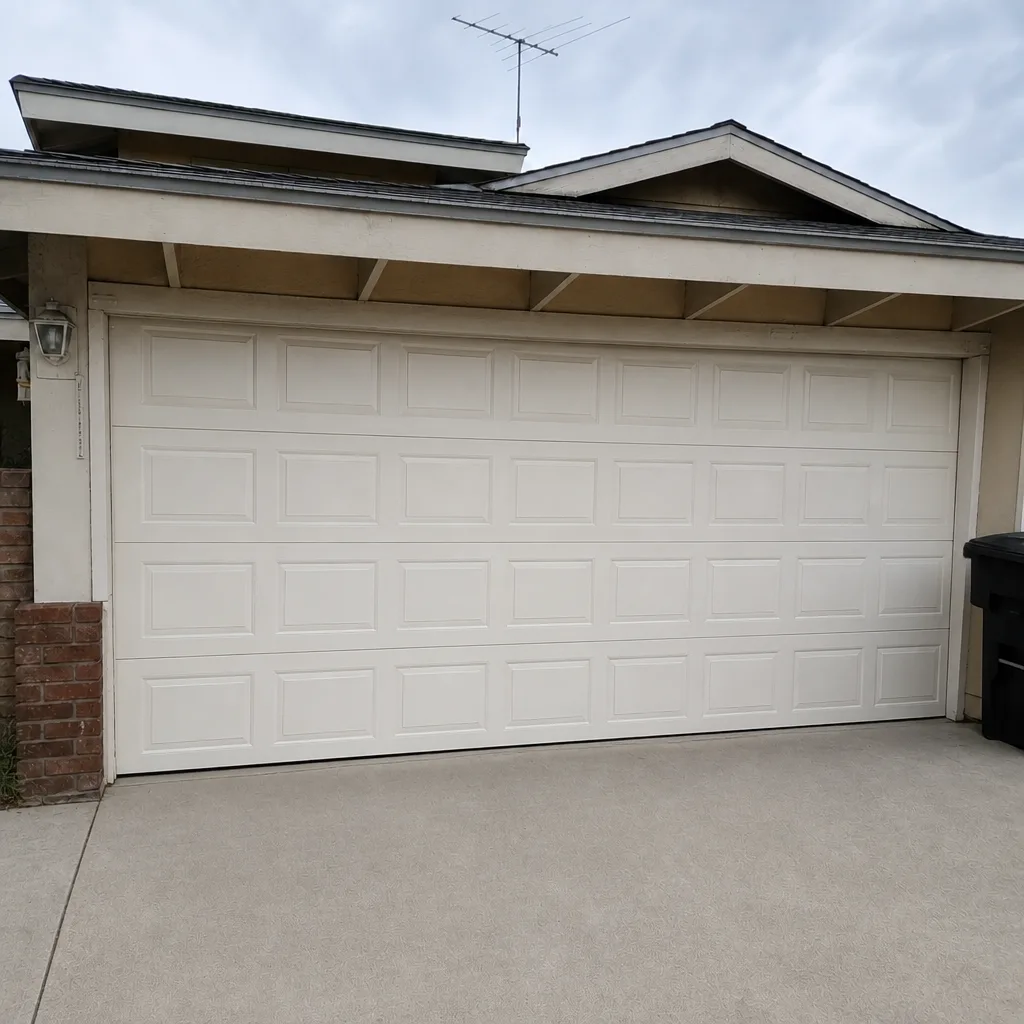 After
Common Mistakes to Avoid
- Greasing the track. Garage door tracks don’t take grease. Grease attracts dust, and in Buena Park’s dry season, that dust becomes an abrasive paste. Grease the rollers and hinges, not the track.
- Ignoring a change in noise until the door fails. A new squeak or grind is the cheapest repair you’ll ever schedule. Waiting two months usually turns a roller replacement into a track repair.
- Replacing the opener before checking the springs. A weak spring makes a good opener look bad. Replacing the motor without replacing the springs means the new motor inherits the same problem.
- Running the door after a cable snap. The remaining cable is now carrying the entire load. Any further cycling risks a derailment and serious damage or injury.
- Assuming all brands wear the same way. An Amarr door, a Wayne Dalton door, and a Craftsman opener all signal trouble differently. Knowing the brand matters for diagnosis, which is why a brand-agnostic specialist beats guessing.
- Ignoring the seasonal change. Buena Park’s mild fall weather is the best time to test balance. A door that passes in July may fail in November, and catching it early means a repair on your schedule.
When to Call a Professional
Call when the warning sign repeats. A single isolated noise is worth noting. A noise that appears every cycle is worth a call. Call when the balance test fails. Call when you can see cable damage from the ground without a ladder. Call when the door hesitates on the way up. Call when you’ve tried the manual test and can’t tell whether the problem is opener-side or hardware-side. That’s what we do all day.
Hampton Garage Door Service offers free estimates in Buena Park. Call (877) 265-9147. We answer 24/7. Fast dispatch from 7am to 7pm, Sunday through Friday. We’ll diagnose the signal, quote the repair, and get your door back to dependable.
Frequently Asked Questions
The most common warning sign is a door that gets harder to lift manually and hesitates during opener travel. The spring loses tension gradually, so the door feels heavier each week. Most Buena Park homeowners notice it first when the manual release is pulled and the door doesn’t stay at the halfway point.
A garage door repair in Buena Park varies by the component and the extent of the wear. A single roller replacement is a different estimate than a full spring pair replacement. The written estimate we provide before any work starts is the price you’ll agree to. Call (877) 265-9147 for an exact quote. Estimates are free.
Same-day service is available. Call (877) 265-9147. We answer 24/7. Fast dispatch from 7am to 7pm, Sunday through Friday. The earlier you call, the more likely we can fit you into the same day’s schedule.
The price is set by the written estimate, and you approve that estimate before any work starts. If additional damage is discovered during the repair, we stop and quote the additional work before proceeding. There’s no surprise invoice at the end.
We carry the common replacement parts for the brands we service, including springs, rollers, cables, and weatherseal for Amarr and Wayne Dalton doors, plus opener components for Craftsman and Raynor. That means most repairs are completed on the first visit.
We’re factory-familiar with eight major brands: LiftMaster, Chamberlain, Genie, Clopay, Amarr, Wayne Dalton, Craftsman, and Raynor. Because we’re brand-agnostic, we recommend the repair or replacement that fits your door and budget, not what’s easiest for us to stock.
The Bottom Line
Garage doors don’t fail silently. They grind, hesitate, sag, shake, and slow down. Every one of those signals is a message about a specific component, and reading it early means a scheduled repair instead of an emergency. The morning you hear the new sound is the day to make the call. The sooner you act, the smaller the repair, the shorter the visit, and the less chance of a bigger failure. Hampton Garage Door Service has served Buena Park homeowners since 2015. Call (877) 265-9147. We answer 24/7.
Written by the team at Hampton Garage Door Service, serving Buena Park since 2015.