
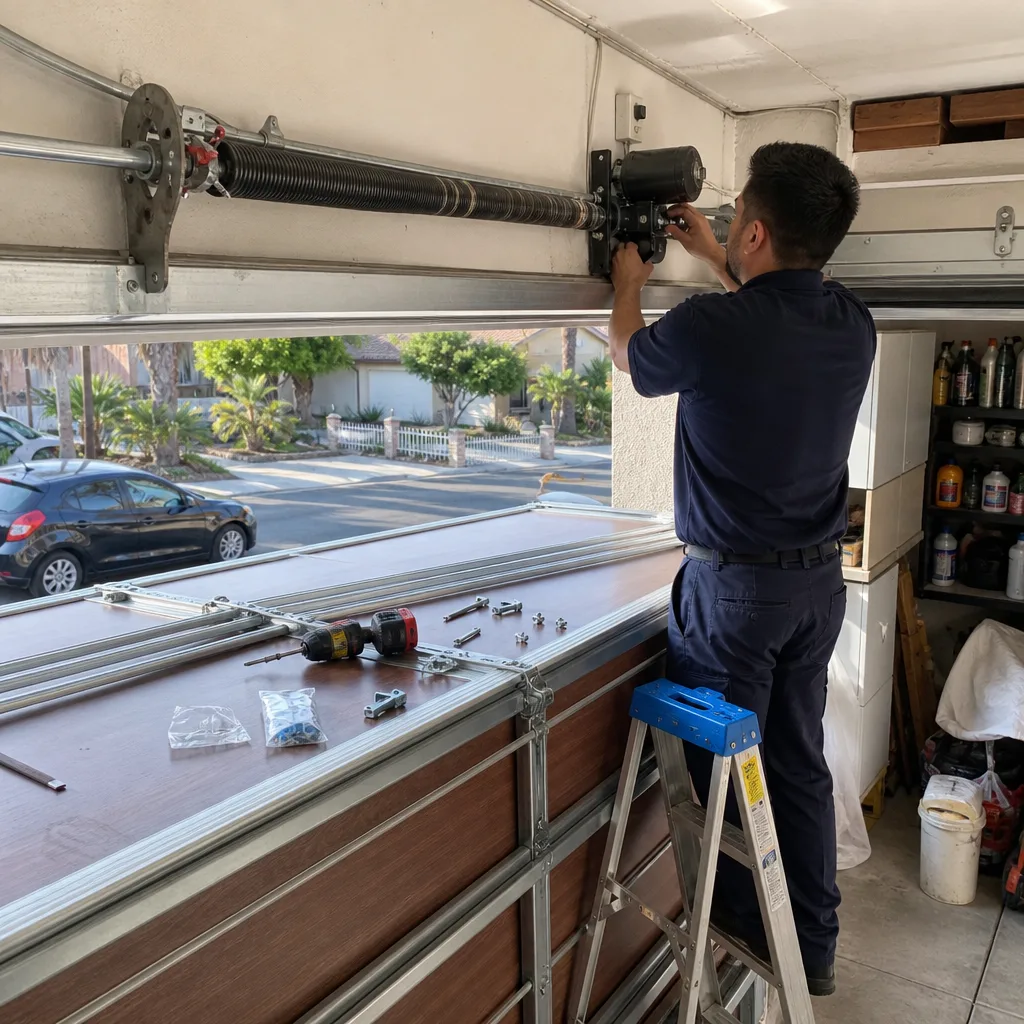
Last updated November 4, 2026
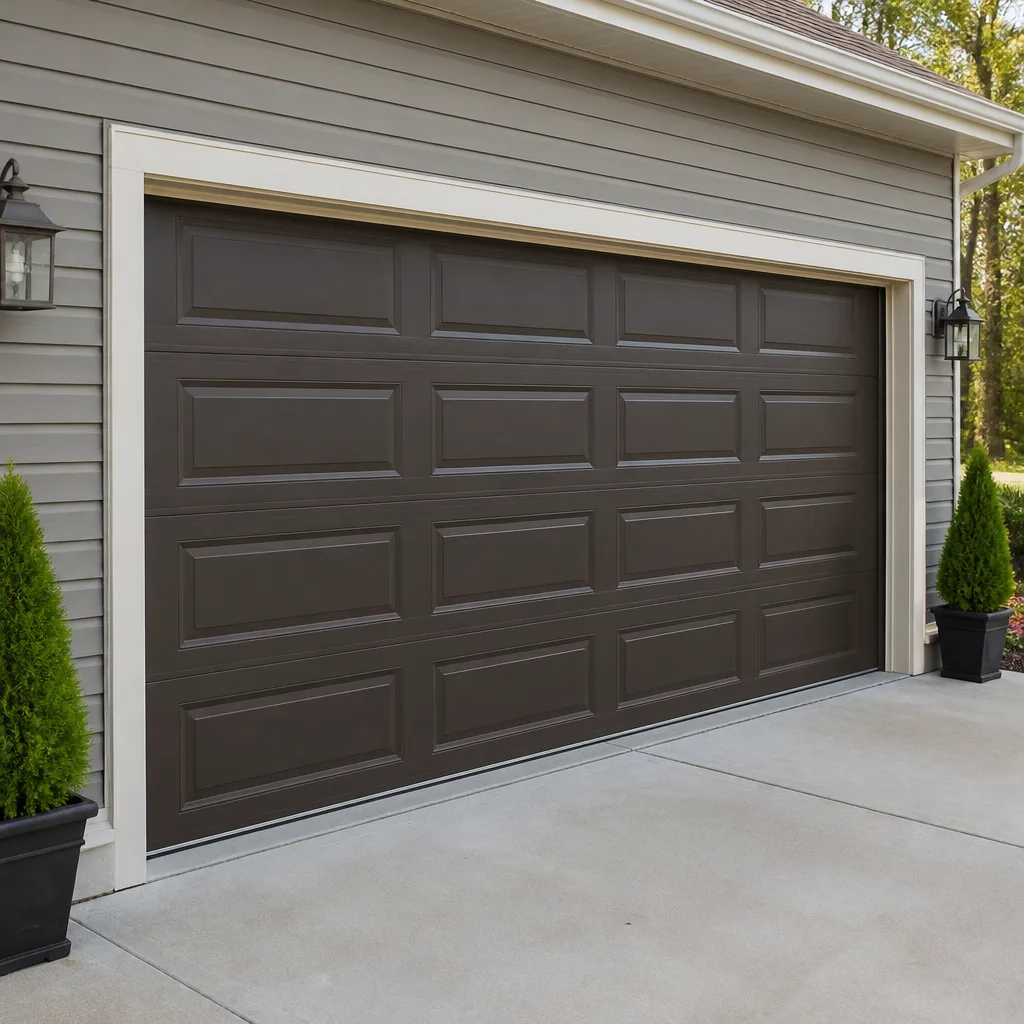 Raised-panel steel
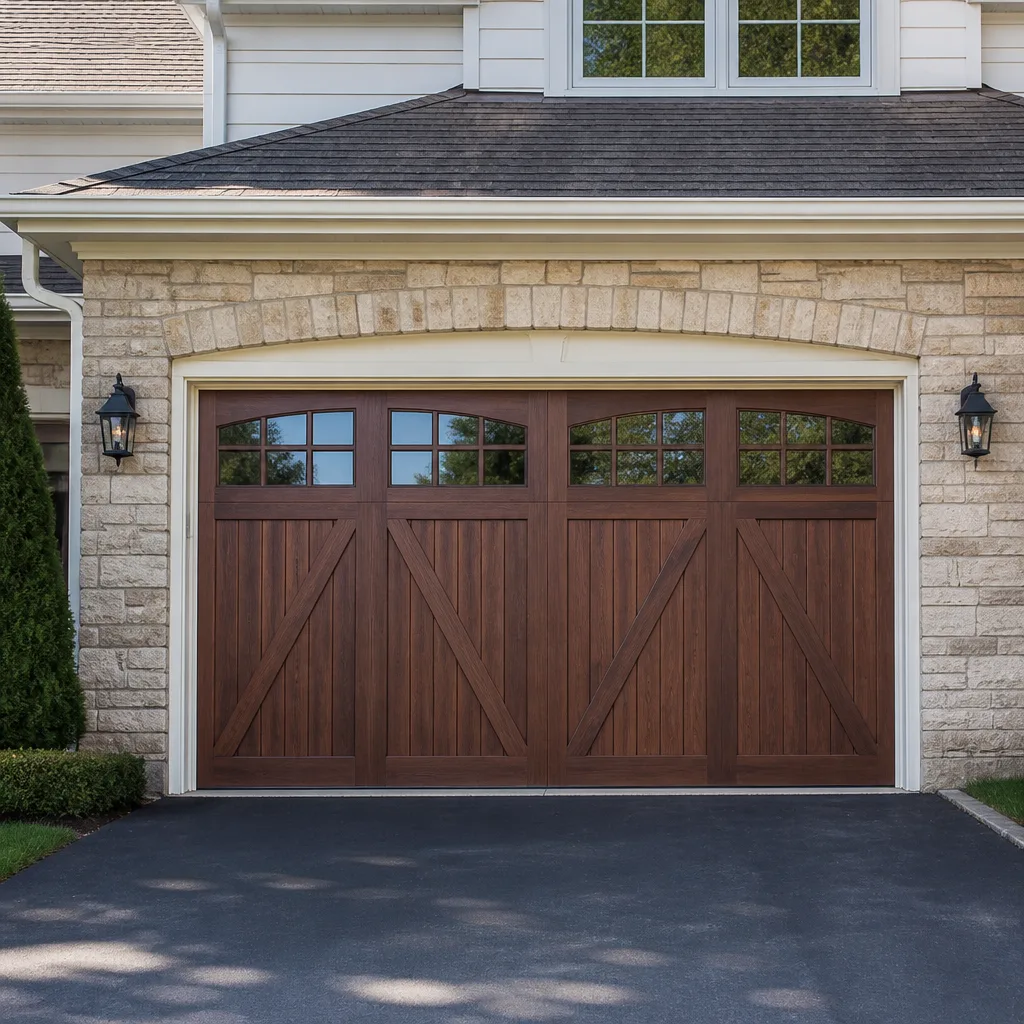 Carriage house
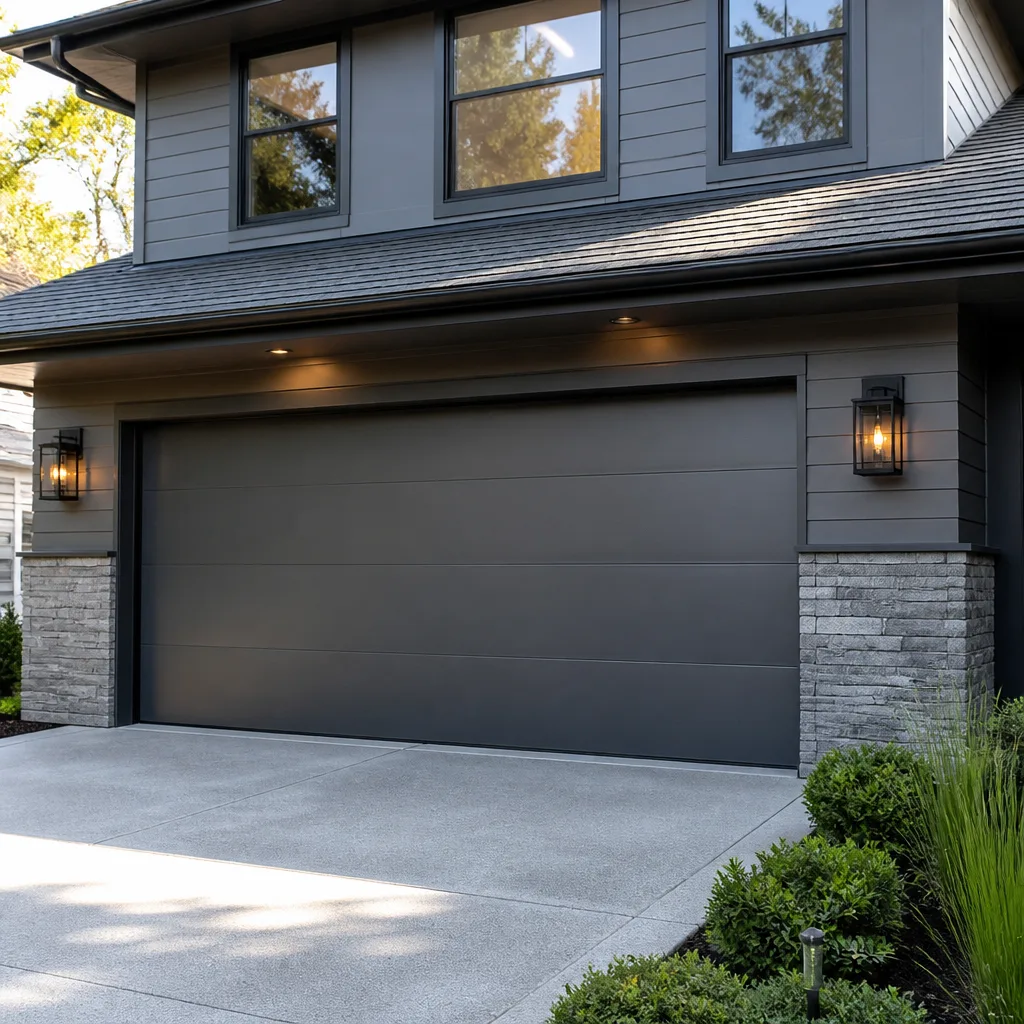 Modern flush
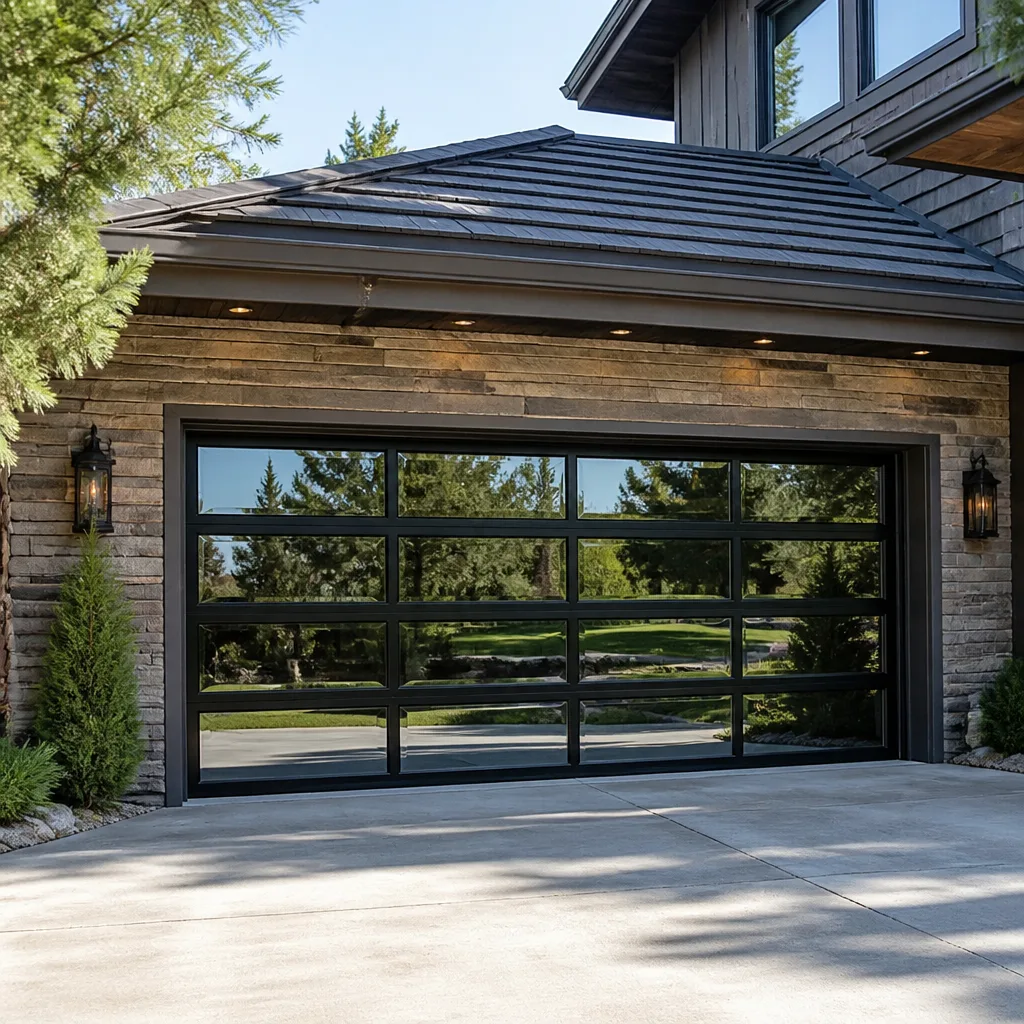 Full-view glass
 LiftMaster openers
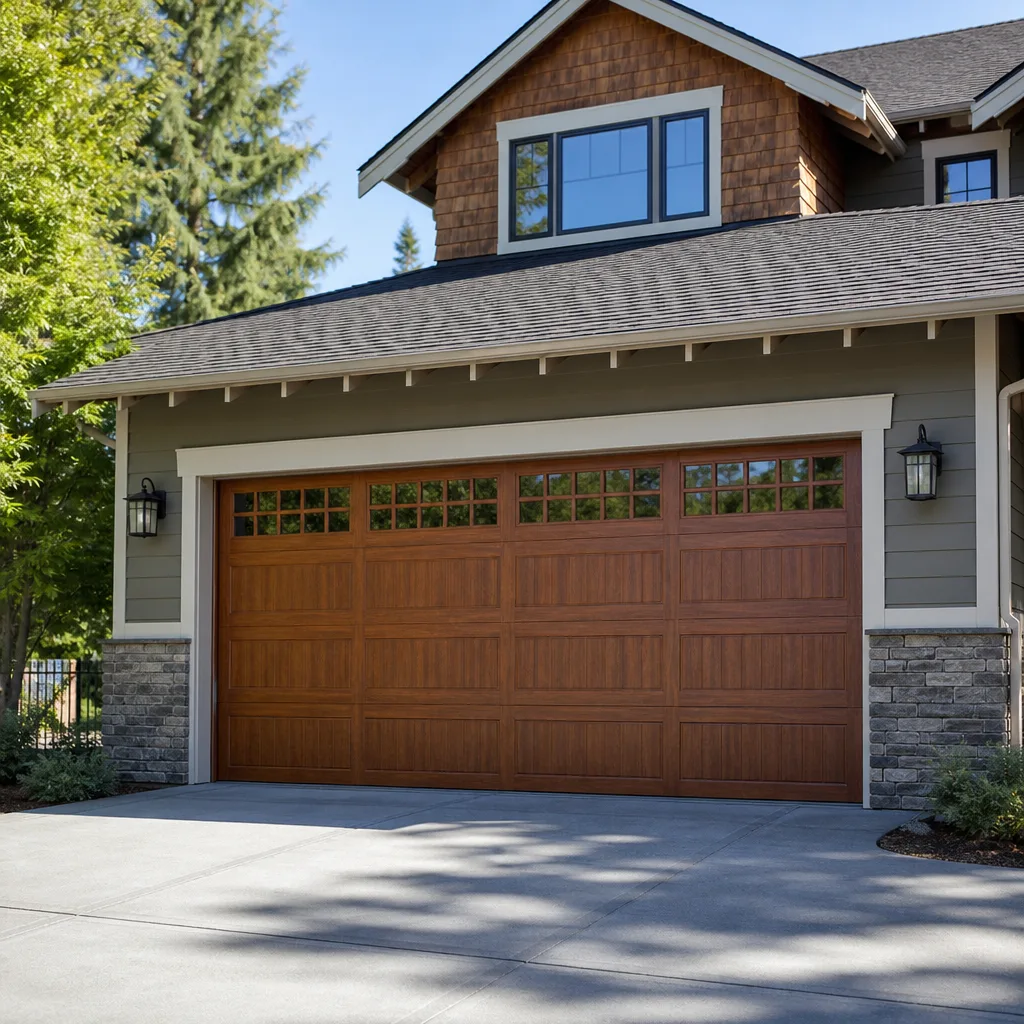 Chamberlain openers
Full 25-point door and opener safety check with every visit - springs, cables, rollers, tracks, and your LiftMaster or Chamberlain opener included
You get a price before we start. It does not change when the truck arrives.
Get your free estimateSeasonal Garage Door Care for Buena Park: Year-Round Homeowner’s Guide
Most seasonal garage door advice was written for Minnesota or Maine. In Buena Park, you will never chip ice off a torsion spring, but you will watch a Santa Ana wind event shove your door sideways in its tracks hard enough to oval out the bottom roller stems, and you will notice it weeks later as a grinding sound you blame on the opener. Here is the thing: the damage was structural and had nothing to do with the motor. This guide explains the four real seasonal cycles that affect garage doors in Buena Park, what each one does to specific components, and the simple checks that catch problems while they are still cheap to fix.
Quick Answer
Seasonal garage door care in Buena Park is not about winterizing. It is about four specific windows: loosening and re-torquing hardware after fall Santa Ana winds, inspecting cables for June Gloom humidity corrosion, checking panel alignment during summer heat expansion, and doing one thorough pre-rain maintenance pass in October. A homeowner who spends 45 minutes per season on these checks avoids most of the repairs we see in this area.
Styles & brands we work with
- Raised-panel steel
- Carriage house
- Modern flush
- Full-view glass
- LiftMaster openers
- Chamberlain openers
Table of Contents
- June Gloom and Cable Corrosion: The Humidity Factor
- Santa Ana Wind Season: Structural Stress Most People Miss
- Summer Heat Expansion: Panel Warping Above 95°F
- Why Fall Is the Highest-Value Maintenance Window in Buena Park
- The Mild Winter Pass: What Actually Needs Attention
- The Buena Park Four-Quarter Care Plan
- Common Mistakes to Avoid
- When to Call a Professional
June Gloom and Cable Corrosion: The Humidity Factor
June Gloom is not a fog that comes and goes. In Buena Park, the marine layer can sit overhead for days at a stretch, holding relative humidity high enough that metal surfaces stay damp well past sunrise. Your garage door cables are the component most sensitive to this. They are made of galvanized steel strands, but the galvanization wears thin where the cable wraps around the bottom bracket and the drum. Once moisture gets into those micro-worn spots, corrosion begins. The cable does not snap on the first humid morning. It frays gradually, and the failure comes later, often under load.
In our experience working on garage door repair across Buena Park, cables that show rust blooming near the bottom bracket are usually 6 to 12 months away from failure. The check takes thirty seconds. Open the door halfway and look at the cables on both sides. Smooth, slightly greasy strands are fine. Any brown staining, fuzziness, or a spot where the cable looks skinnier than the rest means the galvanization is gone and humidity has done its work.
What to check during June Gloom months
- Cable surface near the bottom brackets and drum wraps for rust or fraying
- Bottom roller stems for surface rust (they sit lowest and see the most morning condensation)
- Hinges, especially the center hinges, for orange streaks that signal standing moisture
- Spring coils for rust blooming at the ends, not just the middle
A light surface rust on hinges or roller stems is usually cosmetic. Rust on a cable is structural. If you see it, get a professional look before the door gets used heavily again. The cost to replace a cable now is far below the cost to repair a door that dropped one cable and twisted in its tracks.
Santa Ana Wind Season: Structural Stress Most People Miss
Santa Ana winds are a pressure event before they are a wind event. When high pressure builds over the Great Basin and pushes air toward the coast, the barometric shift happens fast. Your garage door is a large, relatively light panel facing that pressure differential. What happens during a strong Santa Ana is not dramatic. The door gets pushed inward slightly, then pushed outward, then rattles in its tracks a few thousand times over the course of a night. Homeowners in Buena Park sleep through it. The opener does not fail that night. What fails is hairline: track brackets flex, lag bolts work loose in the wall studs, and bottom roller stems take side-load stress they were never meant to carry long-term.
We see the aftermath all through November and December. The door starts making a grinding or popping sound during normal operation, and the first assumption is the opener. The opener usually tests fine. The problem is a track that has shifted a quarter inch, or a bottom roller stem that has been bent just enough that the roller binds. The motor has to pull harder against the added friction, which is why it sounds like an opener problem.
Post-Santa Ana hardware checklist
- Close the door and look at the vertical tracks on both sides. They should be parallel to the door edge with an even gap top to bottom.
- Give each track bracket a firm push. If it flexes or the track audibly shifts, the bracket or its lag bolts have loosened.
- Run the door up and down once. Listen for grinding, popping, or a rhythmic scrape that follows the wheel rotation.
- With the door down, look at the bottom roller stems. They should be straight and centered in the track.
- Check the top roller brackets and hinges for any side-to-side play with the door closed.
One wind event does not usually tear a door out of its tracks. Repeated Santa Ana cycles over multiple seasons fatigue the hardware. If you have not checked track bolts since you moved in, fall is the time to do it. A technician can re-torque and realign faster than most homeowners expect, and Hampton Garage Door Service carries the track brackets and roller stems for the brands we service, so this kind of fix does not wait on parts. We work on Clopay, Amarr, Wayne Dalton, and Craftsman doors regularly, which matters when hardware from one brand needs to match the existing track spec.
Summer Heat Expansion: Panel Warping Above 95°F
Buena Park gets hot in July, August, and September, and not just for a day or two. Sustained daytime temperatures in the high 90s and low 100s bake south-facing and west-facing garage doors for hours. The panel material determines what happens next. Steel doors absorb heat and expand; the expansion is even across the panel if the door was installed with proper clearance. Cheap single-layer steel doors and some older wood-composite doors are the ones that warp. The warp starts small: a slight bow in the top panel that you only see when the afternoon sun hits the door at an angle. By the time it is obvious, the panel is usually buckled beyond repair.
The more common heat problem we see on Buena Park homes is not full panel warping but section-to-section binding. As a steel door heats, the panels expand width-wise. If the door was installed tight to the jambs, the edges of the expanding panels drag, the opener works harder, and the door hesitates, jerks, or reverses mid-cycle. The fix is often a clearance adjustment on the track, not an opener replacement. That is the kind of diagnosis a dedicated garage door specialist reaches by checking the door geometry in person.
Identifying early heat warping
- Look down the face of the door at arm’s length from one side. A healthy door reads as one flat plane. Warping shows as a gentle S-curve or a shallow bump.
- Push gently on the center of the top panel with the door closed. If it flexes and does not return flush, the metal skin has delaminated from the core.
- Watch the door as it opens on a hot afternoon. If the middle sections hesitate or scrape at the same point every cycle, expansion is causing contact.
Heat expansion also shortens the life of nylon rollers faster than moderate temperatures. The nylon bearing surface gets soft at sustained high heat, especially in doors that face direct afternoon sun and do not have insulation to slow the heat transfer. Rollers start to flat-spot, and the door develops a subtle thump-thump rhythm as it travels. Rollers are a wear item; replacing them before they crack is routine maintenance, not a repair.
Why Fall Is the Highest-Value Maintenance Window in Buena Park
Spring garage door tune-ups are a fine tradition in places with harsh winters. In Buena Park, fall is the smarter window, and the logic is simple: the two hardest seasons on your door are the summer heat that is ending and the wind season that is starting. A maintenance pass in October catches heat damage before rain turns small problems into rust, and it preps the hardware for the Santa Ana stress cycle ahead. Do the work in fall, and your door faces the mildest weather of the year already sorted.
Rain is also a factor that most southern California homeowners underweight. Buena Park does not get a long rainy season, but when it rains, water finds the openings. Worn bottom seals let water run under the door and pool on the slab. Loose weatherstripping around the jambs lets water and debris into the track channels. A fall maintenance pass that replaces a cracked bottom seal costs a small fraction of what it costs later to replace rusted bottom brackets or a water-damaged bottom panel section.
Fall pre-rain priority list
- Inspect the bottom rubber seal for cracks, gaps, or flattening. Replace if it no longer makes full contact with the slab.
- Clean the track channels with a rag. Grit from summer wind gets ground into the roller path.
- Check all hinge and bracket bolts for tightness. This is the one that prevents most Santa Ana damage.
- Lubricate moving parts lightly: rollers (metal stems only, never the nylon wheel), hinges, and bearing plates. Skip the tracks; lubricating tracks attracts grit.
- Run a balance test by pulling the manual release and lifting the door by hand. A door that sits halfway without falling or flying up is in balance.
For garage door spring work, we recommend a professional. Torsion springs are under tension, and the force they store is enough to cause serious injury if mishandled. Part of what makes fall maintenance valuable is knowing the line between a DIY check and a repair that should be left to someone trained. If a balance test fails, do not adjust the springs yourself. Hampton Garage Door Service handles spring replacement in Buena Park with the same attention to matching the right spring rate to the door weight that we bring to any repair.
The Mild Winter Pass: What Actually Needs Attention
Buena Park winters are mild: cool nights, moderate days, rain possible any time from December into March. There is no freeze-thaw cycle, no snow load, and none of the winter-specific door problems that dominate seasonal guides from colder regions. What mild winter does bring is occasional cold snaps that change the spring’s behavior slightly, and a longer run of humid mornings than people expect. The winter pass is mostly about checking the two things that get worse when temperatures swing between 40 and 65 degrees: spring fatigue signs and seal condition.
Torsion springs age by cycle count, not by calendar, but temperature swings do make an aging spring slightly less predictable. A spring that was borderline in October may show its age by January. Look at the spring with the door closed. A healthy spring has tight, even coils with no gaps. At the end of the coil on each side, where the spring meets the stationary cone, look for a slightly stretched-out section: the gap between coils grows there first, months before rust appears or the spring snaps. That is the early warning sign.
The winter pass also includes the opener. Since garage door opener repair is one of our most common Buena Park calls in January, we know what usually trips homeowners after the holidays: the opener runs, but the door hesitates in cold morning air. Most often the issue is not the opener at all; it is a door that is slightly out of balance or a track that has collected winter grit. Openers are more often the symptom than the cause.
The Buena Park Four-Quarter Care Plan
If you do nothing else on this page, follow this plan. It is built around the actual seasonal patterns in Buena Park, not a generic national calendar. Total time per year: maybe three hours, spread across four short sessions at your own garage.
Quarter 1: January to March (rain and recovery)
- Check the bottom seal for cracking after the first big rain. Water leaves a visible wet line on the slab if the seal is failing.
- Test the opener’s auto-reverse by placing a 2×4 flat in the door’s path, closing the door, and confirming it reverses on contact. No test, no trust. Adjust or replace the opener if the test fails.
- Check spring coils for the early stretch-out signal described above.
Quarter 2: April to June (June Gloom prep)
- Wipe down cables with a dry rag. Do not oil them; oil holds dust and hides rust. You are looking, not lubricating.
- Check hinges and roller stems for early rust bloom. Spot-treat light rust on non-moving surfaces.
- Run the door once with the opener disengaged and listen for any change in how it sounds through the full travel.
Quarter 3: July to September (peak heat)
- Check the door face for the early warp signals described above. Do this on a hot afternoon for the most honest reading.
- Listen for the thump-thump of flat-spotted rollers. Replace nylon rollers that have gone shiny or rough at the wheel surface.
- Watch the door edges while it opens for any scraping against the jambs that appears only in high heat.
Quarter 4: October to December (Santa Ana and pre-rain)
- Follow the full post-Santa Ana hardware checklist in the Santa Ana section above after the first strong wind event.
- Do the fall pre-rain priority list before the first real storm.
- Re-torque any track bracket bolts that flex on push-testing.
This plan works because it catches each problem at the point where it is a fifteen-minute part swap or a tension adjustment, not a full door repair. It also teaches you what your door’s baseline sounds and feels like, which makes future problems obvious before they become emergencies.
Common Mistakes to Avoid
- Skipping the fall pass because the door “works fine.” A door that works fine in October is exactly the door that fails during a Santa Ana event. The hardware looseness that leads to track damage is invisible in day-to-day use until it is not.
- Lubricating the track channel. Grease and oil in the track create a grinding paste with Buena Park dust and shorten roller life. Lubricate the roller bearings and hinges; keep the track clean and dry.
- Wrapping cables around the bottom bracket yourself. Cable replacement looks simple and is not, especially under torsion spring tension. A cable that slips off while you are working on the door can release the spring’s energy unpredictably. This is a professional job.
- Blame the opener first. In our experience, a large share of the “opener problems” we see in Buena Park are actually door problems: a balance issue, a failing spring, or a track misalignment that started during a wind event. The opener is working hard against a door that is no longer cooperating.
- Ignoring a slow-traveling door in January. If the door moves sluggishly on cool mornings but fine in the afternoon, that is the first sign of spring fatigue, not a quirk. The difference between a poorly tensioned spring and a snapped spring is often two or three months.
- Replacing weather seal on only one side. Seal wear is symmetrical because sun and rain hit the door unevenly but wear is cumulative across the whole bottom edge. A partial replacement leaves a lip that channels water to one side.
- Assuming a noisy door is normal. Grinding, popping, and rhythmic thumps are never normal; they are specific sounds that point to a specific component. A door that goes quiet after a maintenance pass was asking for attention.
When to Call a Professional
Call a professional any time the work involves the torsion springs, cables under tension, or a door that is off-balance enough to lurch. Those are not homeowner-friendly adjustments on a modern door system, and the energy stored in the springs can cause serious injury. Call if your opener reverses without contacting an obstruction, if the door makes a sharp bang mid-cycle, or if the door visibly sags to one side when half open. For Buena Park homeowners, the call should go to someone who sees these doors every day, not a general handyman squeezing garage door work between other trades. Hampton Garage Door Service offers free estimates in Buena Park. Call (877) 265-9147. We answer 24/7. Fast dispatch from 7am to 7pm, Sunday through Friday.
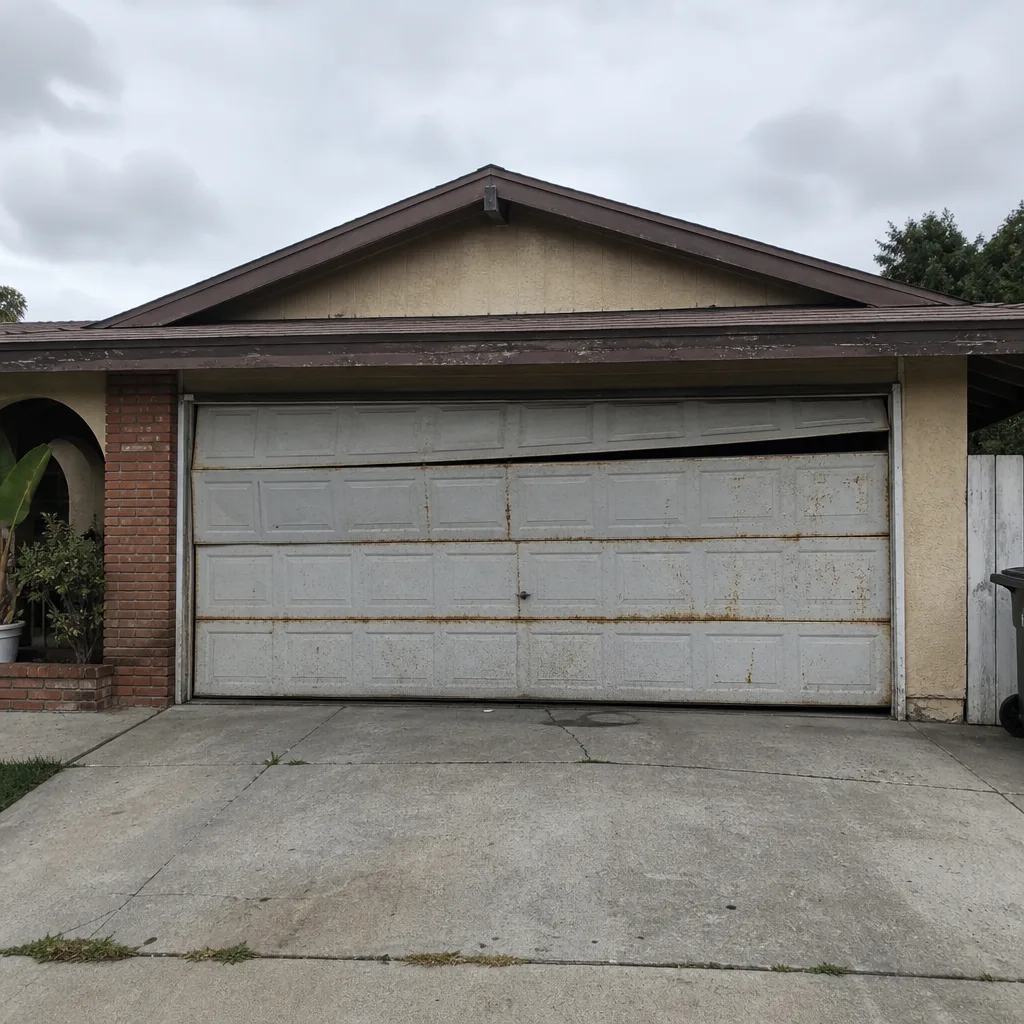
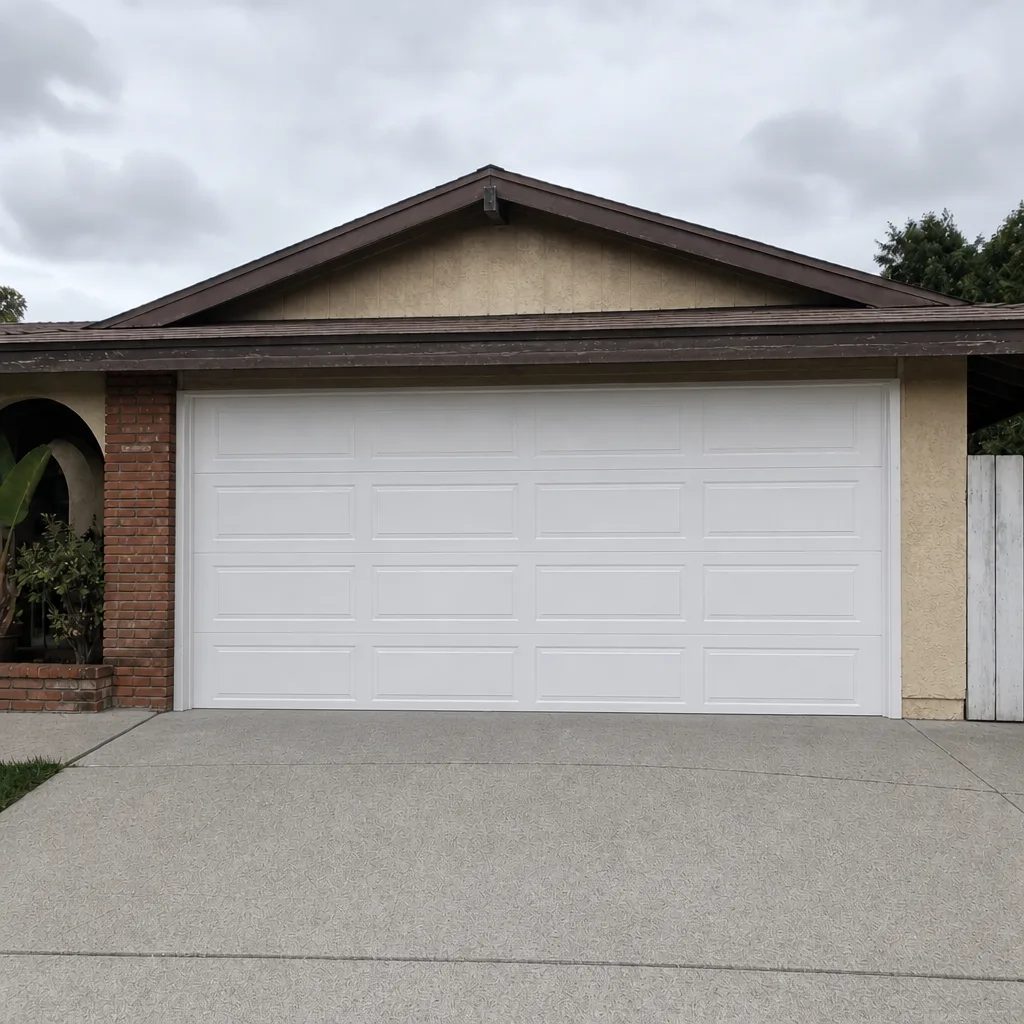
See the difference
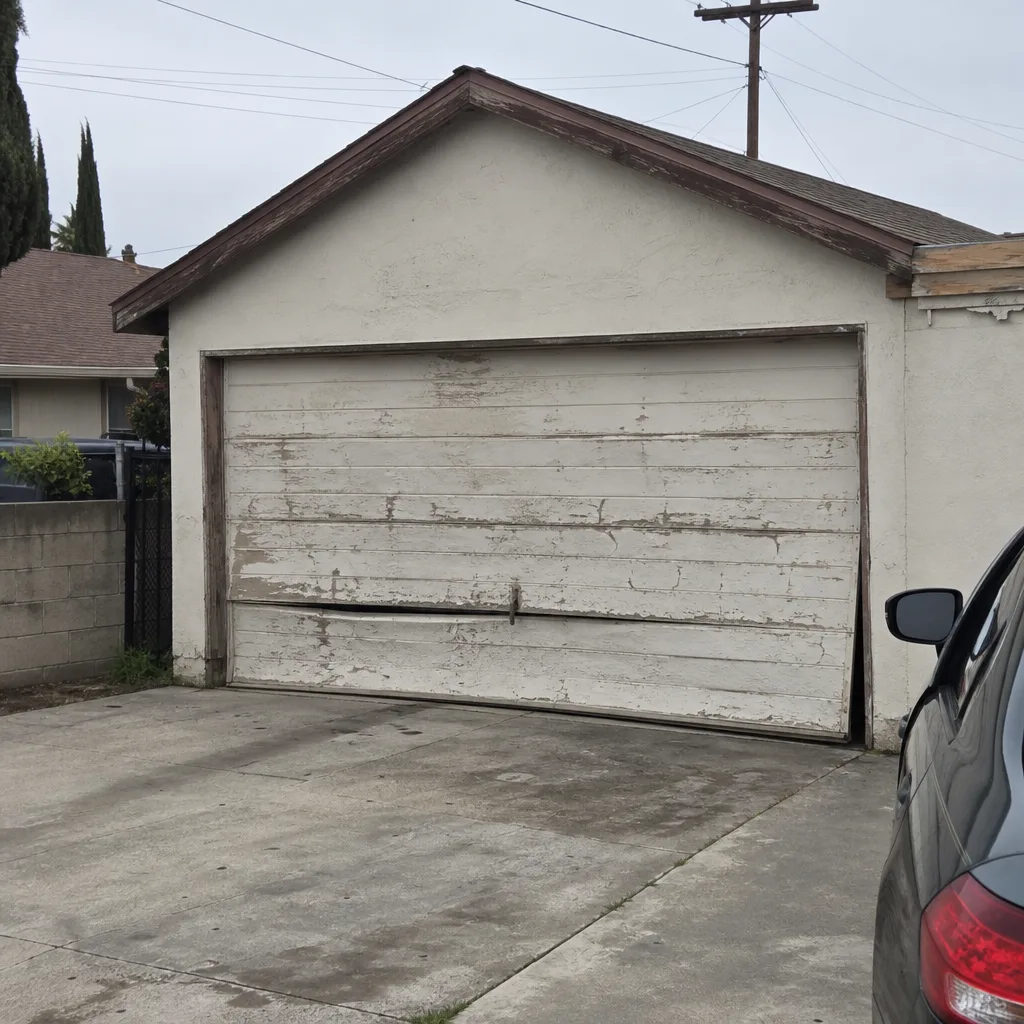 Before
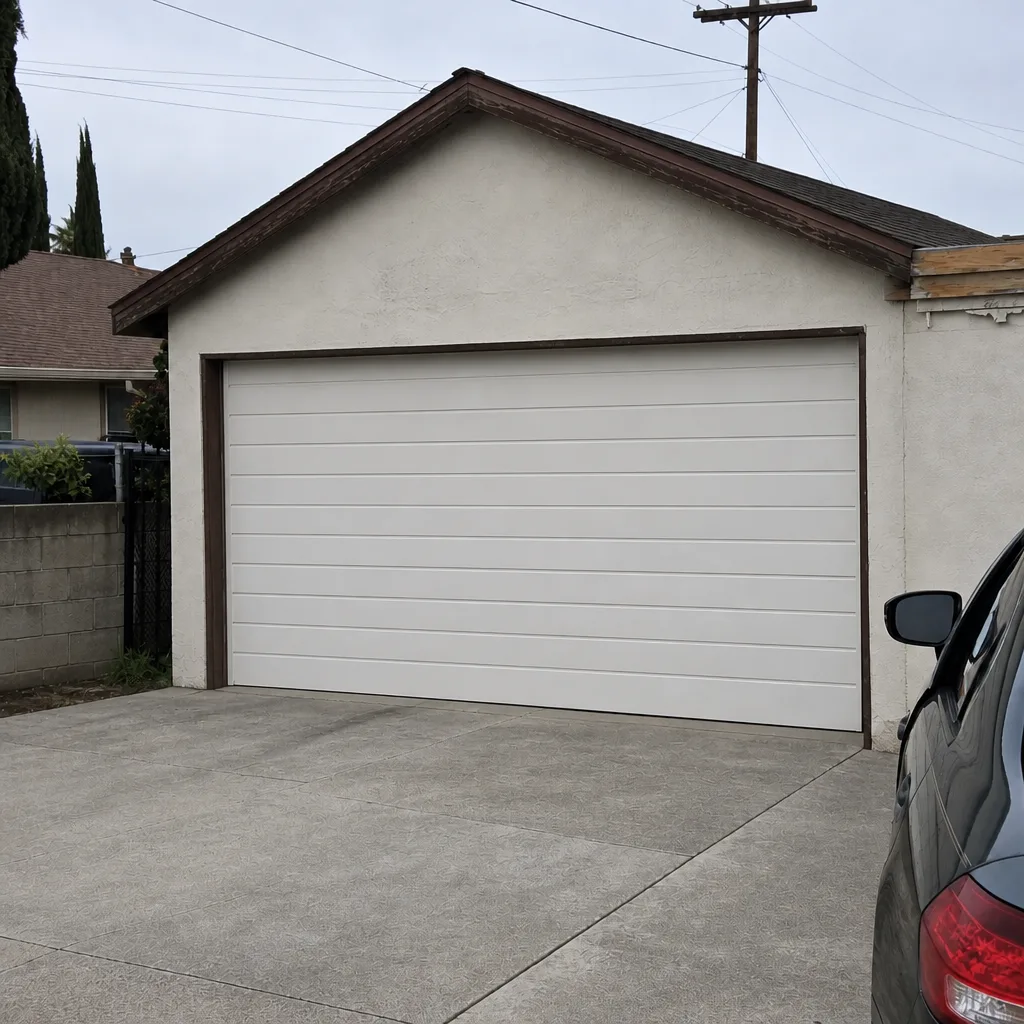 After
 Before
 After
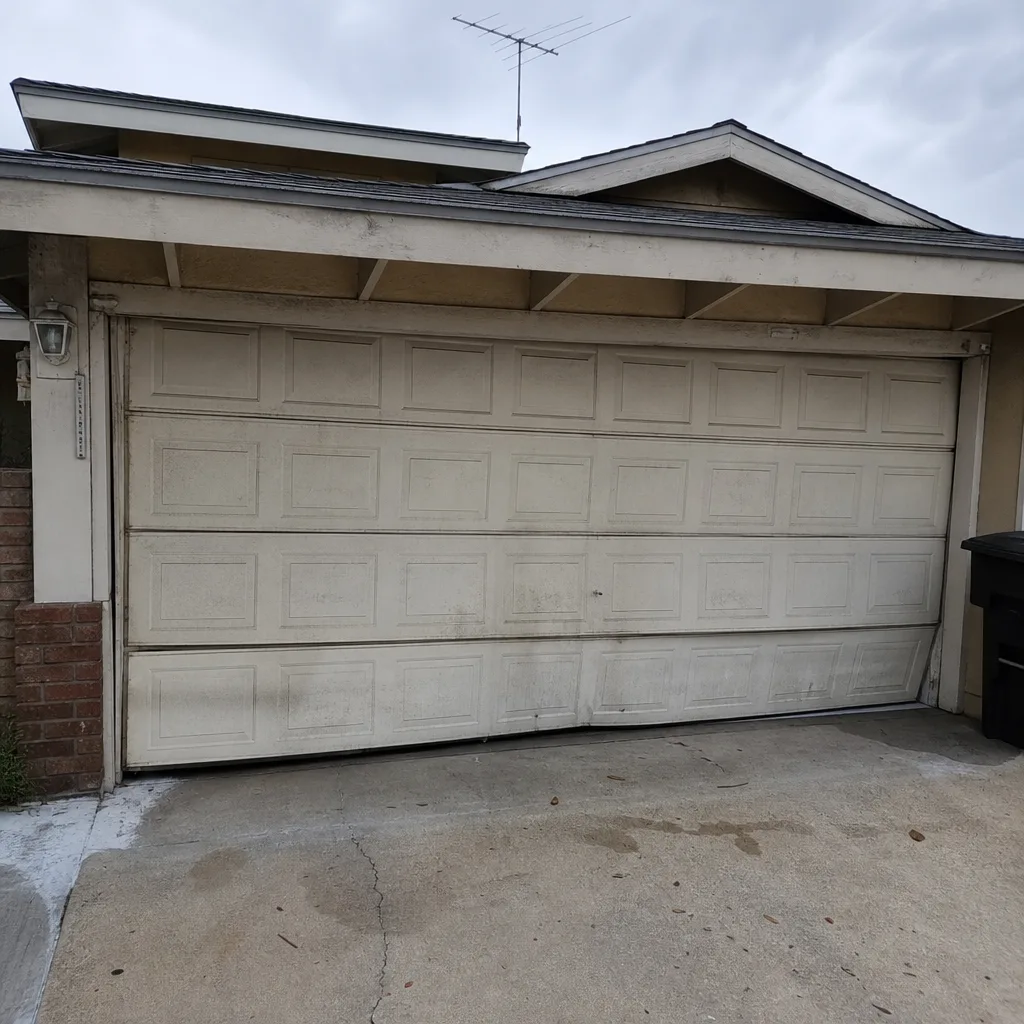 Before
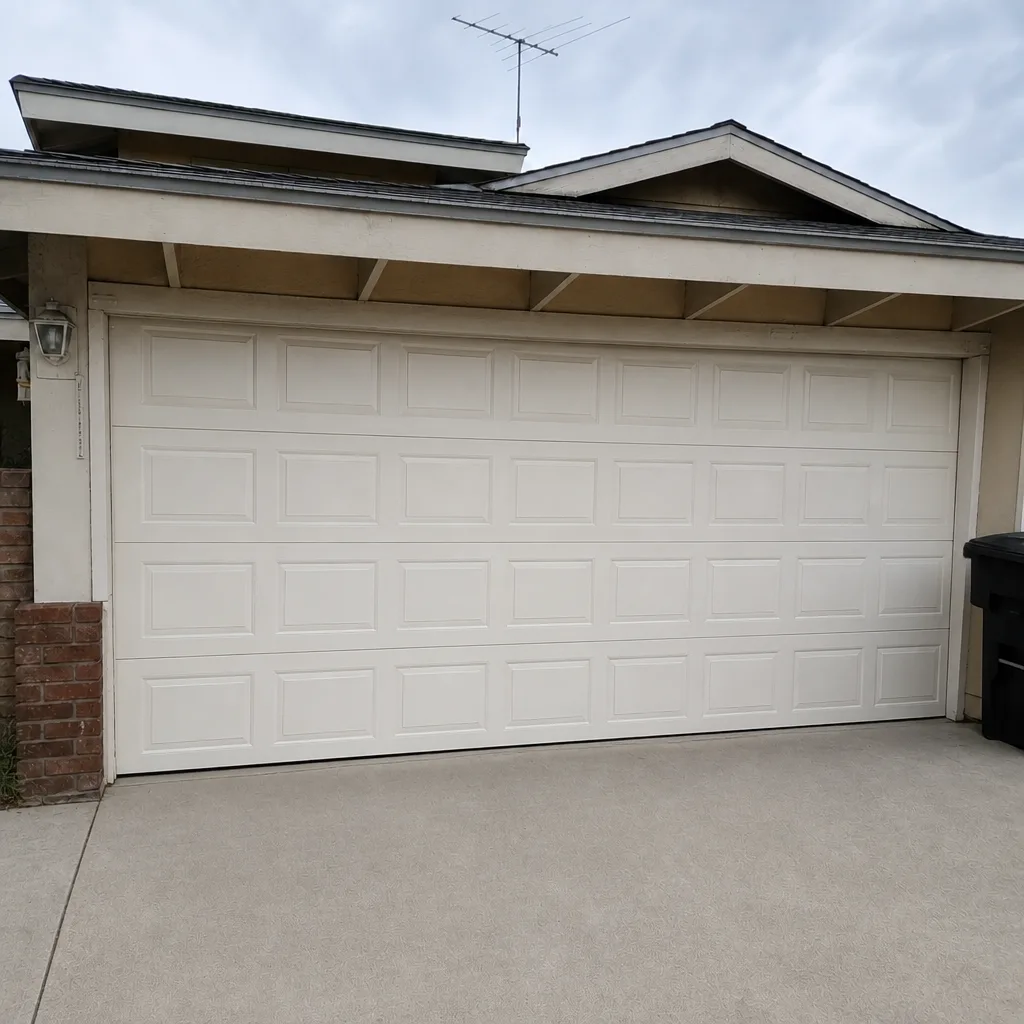 After
Frequently Asked Questions
The most important seasonal pass is the fall one: post-Santa Ana hardware checking plus a pre-rain seal inspection. It catches the two failure types we see most often in this climate, track fatigue from wind and water damage from a worn bottom seal.
June Gloom humidity accelerates corrosion on galvanized cables and roller stems, especially at the bottom bracket where the cable bends around the drum. Regular visual checks during the May-June humidity window catch cable fraying before a failure. If you see rust bloom on a cable, get it replaced soon.
No. Lubricating the track channel is a common mistake; it attracts Buena Park dust and creates a grinding paste that shortens roller life. Lubricate the roller bearings, hinges, and spring bearing plates only, and keep the track channel clean and dry.
The grinding usually means the wind event flexed the track brackets or bent a bottom roller stem, and the door is now dragging through a slightly misaligned track. The opener is working against the added friction, which makes it sound like a motor problem. Hardware re-torquing and realignment fix it without an opener replacement in most cases.
Replace torsion springs when a spring shows a stretched-out coil section near the stationary cone, when the door no longer sits at half-travel during a balance test, or when you see a visible gap in the coil itself. Do not wait for the spring to snap; the failure is loud and the door becomes very difficult to open safely.
The opener itself needs less seasonal work than the door, but one check matters: the auto-reverse test described in the four-quarter plan every January. An opener that fails the auto-reverse test on a 2×4 needs replacement or adjustment. Many of our Buena Park opener calls are actually door-balance issues that the opener is fighting, not a true motor problem. Call (877) 265-9147 for a free estimate.
The Bottom Line
Seasonal garage door care in Buena Park is not about winterizing; it is about four specific windows that map to the real weather here. Do a cable and corrosion check during June Gloom, a full hardware inspection after the first real Santa Ana, a panel and roller check during peak summer heat, and one thorough pre-rain fall pass that ties up everything after the hot season and before the wind season. A homeowner who follows this plan catches most garage door problems while they are cheap and boring instead of loud and urgent. For brand-agnostic advice or a free estimate, Hampton Garage Door Service is the local specialist for Buena Park.
Call (877) 265-9147. We answer 24/7. Fast dispatch from 7am to 7pm, Sunday through Friday.
Written by the team at Hampton Garage Door Service, serving Buena Park since 2015.